The Ultimate Guide to Finding Perfect Travel Accommodation: How to Book Smart and Stay Comfortable Every Time
Picture this: You’ve just landed in your dream destination after months of planning. You’re excited, energised, and ready to explore. But then you arrive at your accommodation only to discover it’s next to a construction site, miles from everything you want to see, or so cramped you can barely open your suitcase. Sound familiar? This guide will show you how to book travel accommodation like a pro.
Let me tell you—choosing the wrong place to stay can turn even the most carefully planned trip into a stress-filled disaster. But here’s the thing: finding amazing accommodation doesn’t have to be a gamble. With the right approach, you can consistently book places that enhance your travel experience rather than detract from it.
Whether you’re a seasoned traveler looking to refine your booking strategy or someone planning their first major trip, this comprehensive guide will walk you through everything you need to know about finding, booking, and enjoying accommodation that truly makes your journey memorable.
Why Your Accommodation Choice Matters More Than You Think
Let’s be honest—your accommodation is far more than just a place to sleep. It’s your home base, your sanctuary after long days of exploring, and often your first taste of local culture. The right choice can save you hours of commuting, hundreds of dollars in transport costs, and countless headaches. The wrong choice? Well, that can derail your entire trip.
I’ve learned this lesson the hard way over years of travel. From that “charming” apartment in Rome that turned out to be above a nightclub (goodbye, sleep) to the “centrally located” hotel in Bangkok that required a 45-minute commute to reach any major attraction, these experiences taught me that great accommodation requires more than just looking at pretty pictures and checking the price.
Location: The Make-or-Break Factor
If I could give you just one piece of advice about booking accommodation, it would be this: location trumps everything else. You can live with a smaller room, basic amenities, or even questionable décor, but you can’t change geography.
Think about it this way—every minute you spend traveling to and from your accommodation is time you’re not spending exploring your destination. In a city like Paris, staying in the right arrondissement can mean the difference between a leisurely 10-minute walk to the Louvre and an hour-long metro journey across town.
How to Choose the Perfect Location
When you’re looking at how to book travel accommodation, start by mapping out your must-see attractions and experiences. Don’t just think about the obvious tourist spots—consider where you might want to grab breakfast, do some shopping, or enjoy evening entertainment. Look for accommodation that puts you within walking distance of several key areas or at least near excellent transport connections.
Here’s my tried-and-true method: I open Google Maps and drop pins on everything I want to visit. Then I look for accommodation options in the triangle or cluster where most of my pins are concentrated. This visual approach has saved me countless hours of unnecessary travel time.
But location isn’t just about proximity to attractions. You also need to consider the neighborhood’s character and safety. Is it a vibrant area with local restaurants and shops, or a sterile business district that dies after 6 PM? Are the streets well-lit and walkable at night? These factors matter just as much as distance to the main sights.
Location Strategies by Travel Style
Urban Adventures: In major cities, prioritise neighborhoods with excellent public transport connections. You don’t necessarily need to be in the absolute center—sometimes staying one or two stops away on a metro line gives you better value while maintaining easy access to everything.
Beach Getaways: Ocean views are lovely, but don’t overlook accommodations a few blocks inland if they offer better value or amenities. Just ensure you can easily walk to the beach and that the area has restaurants and shops nearby.
Mountain and Countryside Escapes: Here, views and tranquility often justify being slightly further from services. Just make sure you have reliable transport if you’re planning to explore multiple areas.
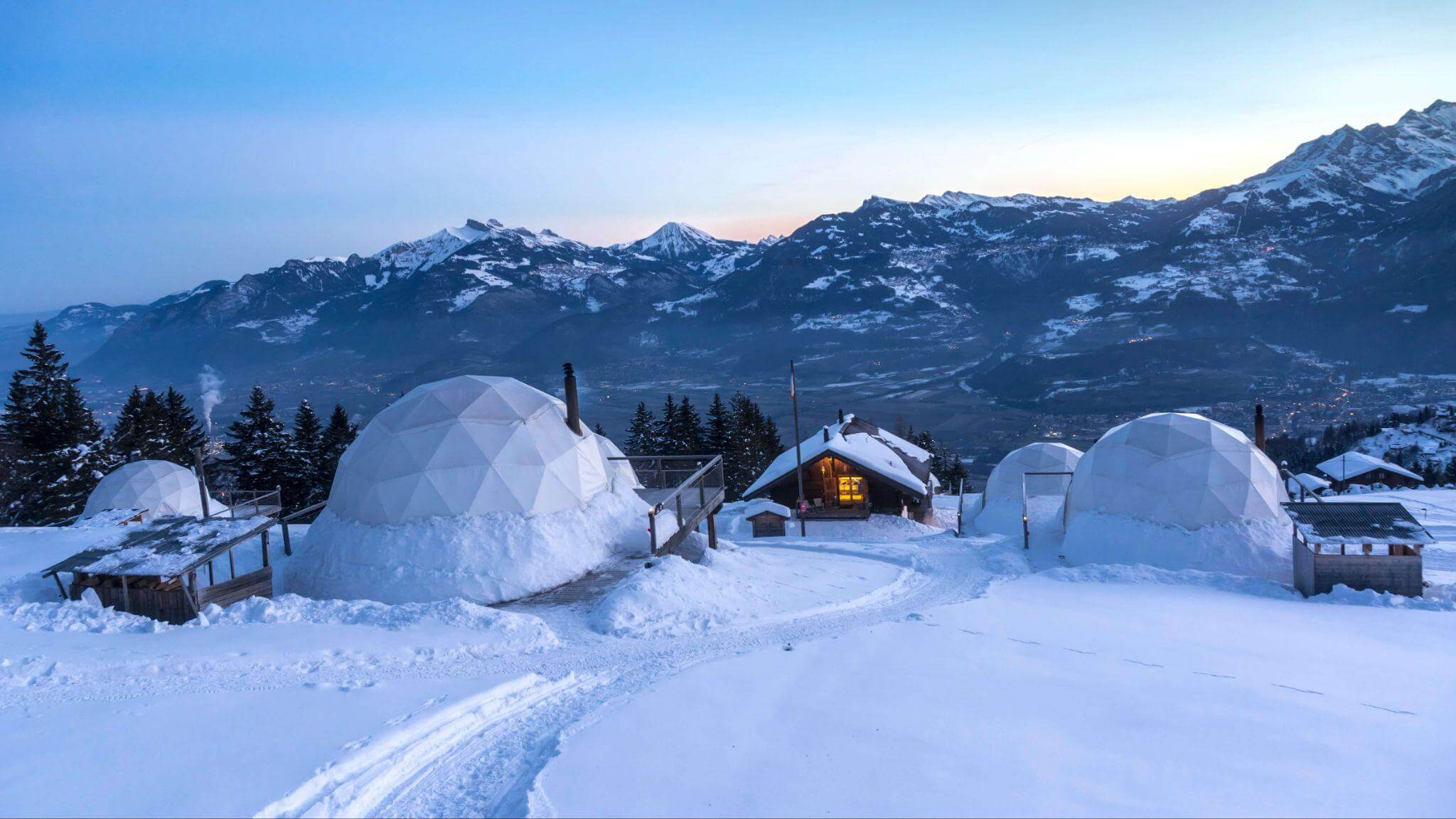
Ski Destinations: Proximity to lifts is crucial, but also consider the après-ski scene. Being close to restaurants and nightlife can be just as important as ski-in, ski-out convenience.
Mastering the Art of Online Research
Once you’ve identified your ideal location, it’s time to dive into the sea of accommodation options. This is where many travellers get overwhelmed, but with the right approach, you can cut through the noise quickly and discover how to book travel accommodation that works for you.
The Best Booking Platforms
I’ve tried them all, and here’s what I’ve learned about the major players:
Booking.com remains my go-to platform for its extensive inventory and excellent filter options. Their free cancellation policies are particularly valuable for flexible travelers, and their customer service has consistently helped me resolve issues when they arise.
Airbnb shines for longer stays and when you want to experience local neighborhoods like a resident. It’s particularly valuable for families or groups who need multiple bedrooms or kitchen facilities.
Vrbo often has better options for family-friendly vacation rentals, especially for beach houses and ski chalets. Their verification process tends to be more thorough than some competitors.
Google Hotels and TripAdvisor are excellent for comparison shopping and getting a comprehensive view of reviews across multiple platforms.
Pro Search Strategies
Don’t just search once and call it done. Accommodation prices fluctuate constantly, and new options appear regularly. I typically check prices over several days or weeks, and I always compare the booking platform price with the hotel’s direct website—you’d be surprised how often the hotel offers better rates or perks for direct bookings.
Use search filters strategically. Start broad, then narrow down based on your priorities. Essential filters I always use include:
- Distance from city centre or main attractions
- Minimum review score (I rarely book anywhere below 8.0)
- Cancellation policy (free cancellation is worth paying slightly more for)
- Amenities that matter to you (WiFi, kitchen, parking, washing machine etc.)
Reading Between the Lines: Review Intelligence
Reviews are your best friend when booking accommodation, but you need to read them strategically. Not all reviews are created equal, and learning to interpret them correctly can save you from unpleasant surprises.
What to Look For
Recent reviews matter more than old ones. A hotel that had problems two years ago might have new management, recent renovations, or improved service. Focus on reviews from the past 6-12 months for the most accurate picture.
Pay attention to recurring themes in reviews. If multiple guests mention thin walls, poor WiFi, or unfriendly staff, these are red flags you shouldn’t ignore. Conversely, if several recent reviews praise the same aspects—great location, helpful staff, excellent breakfast—you can have more confidence in these strengths.
Red Flags to Avoid
Some warning signs should make you immediately look elsewhere:
- Multiple recent complaints about cleanliness or maintenance
- Consistent mentions of noise problems
- Reviews indicating the photos don’t match reality
- Frequent complaints about hidden fees or poor customer service
- Location issues (further from attractions than advertised, unsafe neighbourhood)
Taking Reviews with a Grain of Salt
Remember that review standards vary widely among travelers. Some people expect five-star service at budget prices, while others are happy with basic clean accommodation. Try to calibrate reviews based on the property type and price range.
I also pay attention to the reviewer’s travel style. A family with young children will have different priorities than a solo business traveler, and their reviews will reflect that. Look for reviews from travelers who seem to match your own travel style and expectations.
Timing Your Booking: The Price Game
Accommodation pricing is more complex than many travelers realise. Rates fluctuate based on demand, seasonality, local events, and even the day of the week you’re searching. Understanding these patterns can save you significant money.
The Early Bird vs. Last-Minute Dilemma
For peak seasons—summer in Europe, cherry blossom season in Japan, or holiday periods anywhere—early booking is almost always your best bet. Popular accommodation fills up quickly, and prices only increase as availability decreases. I typically book 6-12 months in advance for these high-demand periods.
For off-season travel, you have more flexibility. Last-minute deals can offer excellent value, but they come with the risk of limited availability, especially if you have specific location or amenity requirements. If you’re travelling on a limited timeframe or with young children, I recommend booking ahead – you don’t want to waste precious holiday hours trawling around for a room.
Seasonal Considerations
Understanding local seasons helps you time your booking perfectly:
- European cities: Book summer accommodations by January for the best selection and rates
- Ski destinations: Many resorts don’t release inventory until 4-6 months ahead, so mark your calendar
- Beach destinations: Hurricane / cyclone season can offer great deals, but research typical weather patterns including humidity and maximum temperatures
- Business cities: Hotels often have lower rates on weekends, higher rates during conference seasons.

Choosing the Right Accommodation Type
Your travel style, group size, and priorities should determine what type of accommodation you choose. There’s no one-size-fits-all solution, and the “best” choice varies dramatically depending on your specific needs.
Hotels: The Classic Choice
Hotels offer consistency, service, and convenience. They’re ideal when you want daily housekeeping, room service, concierge assistance, and the reliability of established brands. For business travel, short city breaks, or when you want to be pampered, hotels are often the best choice.
Modern hotels also offer loyalty programs that can provide significant value for frequent travelers. If you consistently stay with the same hotel chain, you can earn free nights, room upgrades, and other perks that make each stay more enjoyable.
Vacation Rentals: The Home Away from Home
Vacation rentals shine for longer stays, family travel, or when you want to experience local neighborhoods. Having a kitchen allows you to save money on dining out and provides flexibility for dietary restrictions or preferences. Multiple bedrooms and living spaces make group travel more comfortable and affordable.
The key to successful vacation rental booking is managing expectations. Unlike hotels, you won’t have daily housekeeping or front desk service. You’re essentially renting someone’s home, which can be more authentic but less predictable than hotel stays.
Boutique and Local Options
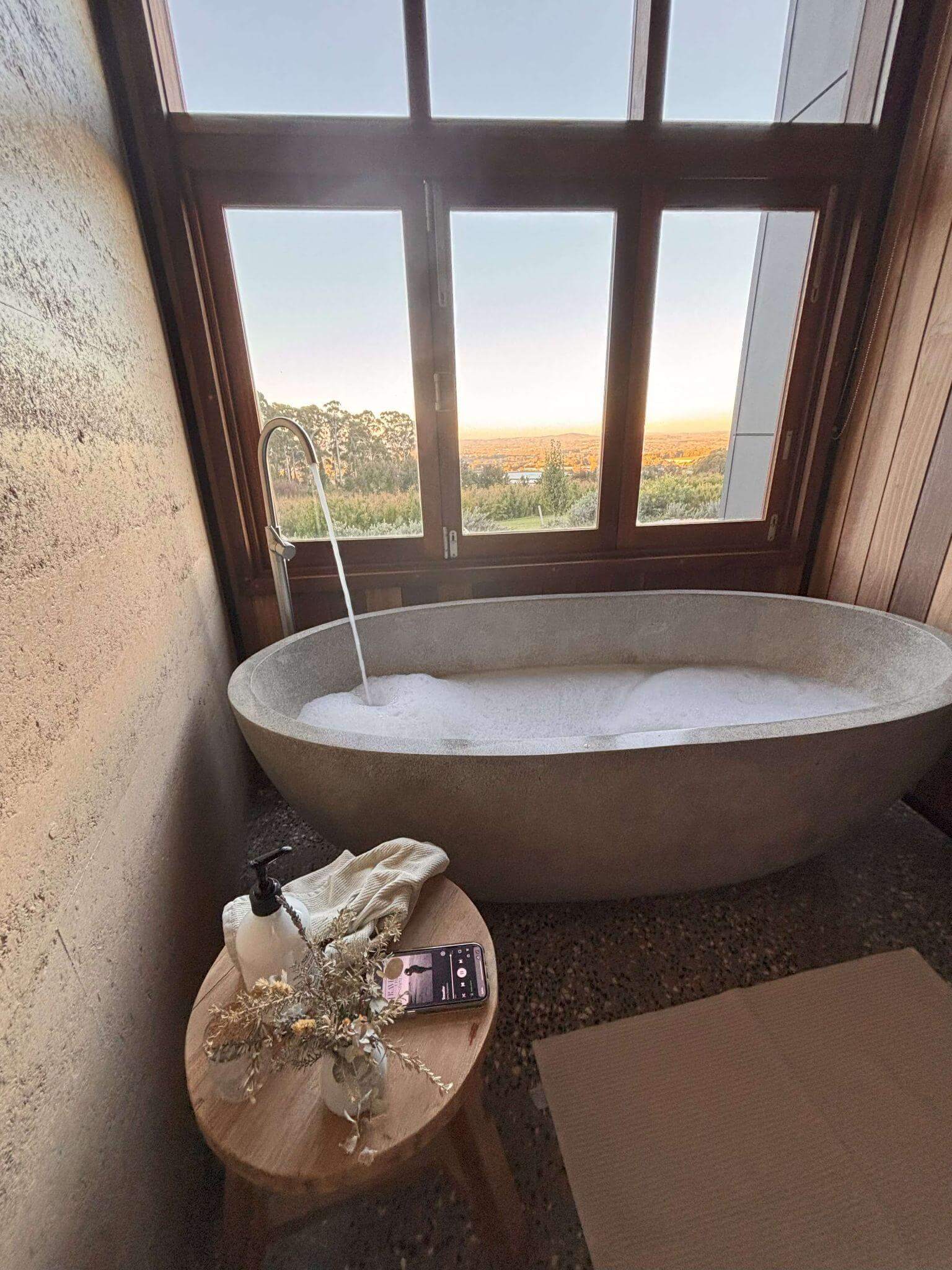
Some of my most memorable accommodation experiences have been in unique, locally-owned properties. These might be historic buildings, converted warehouses, or family-run guesthouses that offer character and charm you won’t find in chain hotels.
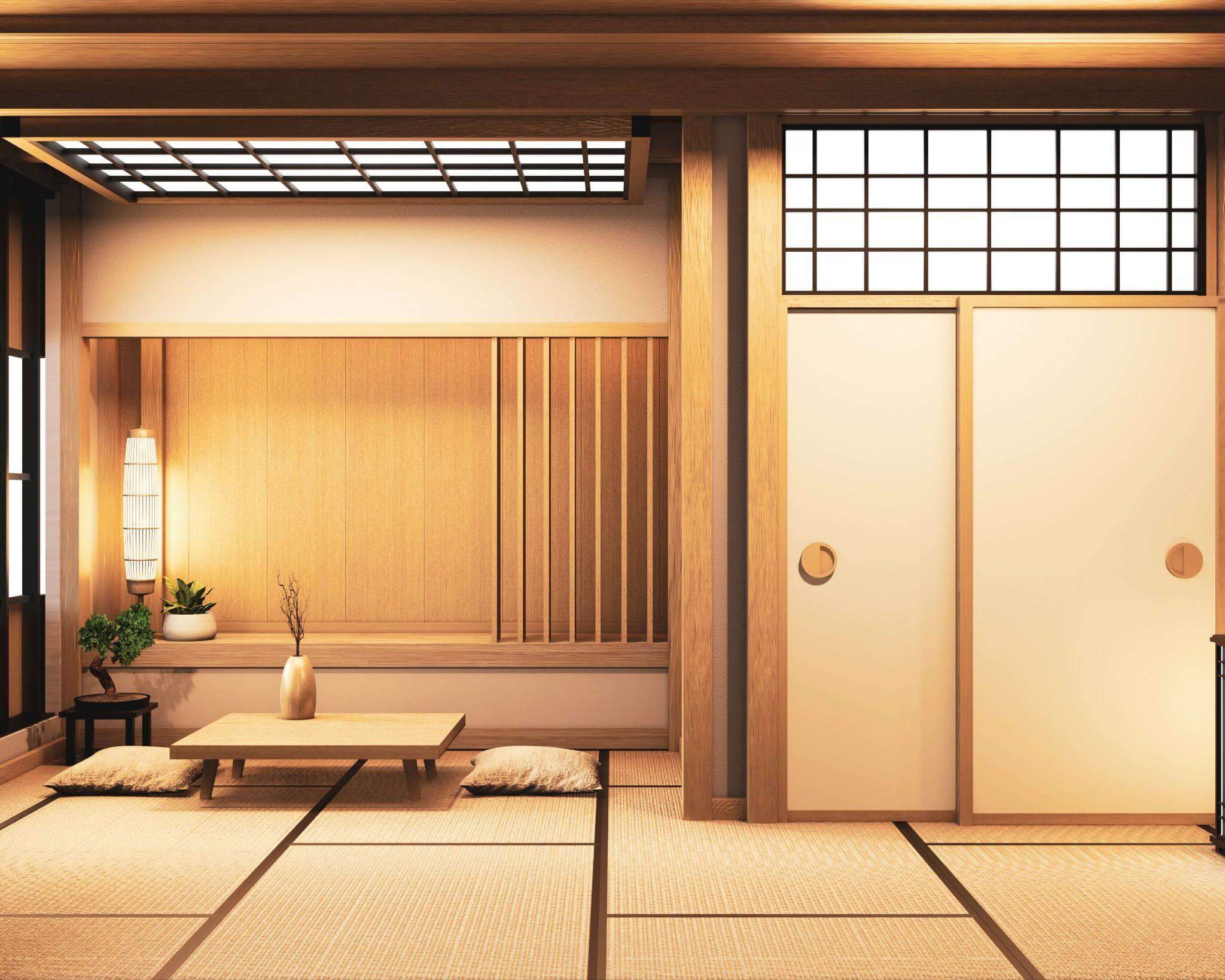
These properties often provide insight into local culture and traditions. A ryokan in Japan, a riad in Morocco, or a restored palazzo in Italy can transform your trip from sightseeing to true cultural immersion.
The Power of Cultural Immersion
Speaking of cultural immersion, your accommodation choice can significantly impact how deeply you experience your destination. While international hotel chains offer comfort and familiarity, they often insulate you from local culture.
Embracing Local Accommodation Styles
Consider staying in accommodations that reflect local architectural and cultural traditions:
- Japan: Traditional ryokans offer tatami mat rooms, communal baths, and kaiseki dining
- France: Haussmannian apartments in Paris provide authentic Parisian living experiences
- Italy: Agriturismos combine accommodation with working farms, offering farm-to-table dining
- Australia: Beach houses and eco-lodges showcase the country’s outdoor lifestyle
These experiences often cost more than standard hotels, but they provide memories and insights that last long after your trip ends.
Special Considerations for Different Traveler Types
Solo Travelers
Safety and social opportunities are key considerations for solo travelers. Hostels can provide built-in social networks, while boutique hotels in safe neighborhoods offer security and local recommendations. Always research neighborhood safety and consider accommodations with 24-hour front desk service.
Families
Space, amenities, and kid-friendly features become priorities for family travel. Vacation rentals often provide better value and more space than hotel rooms. Look for accommodations with kitchens (for familiar meals and snacks), laundry facilities, and nearby parks or family attractions.
Business Travelers
Reliability, connectivity, and location near business districts or airports are crucial. Business hotels with loyalty programs, reliable WiFi, and efficient service are worth the premium for stress-free travel.
Mature Travelers
Comfort, accessibility, and service become increasingly important. Consider ground-floor rooms or buildings with elevators, locations that minimize walking distances, and properties with strong service reputations. If you’re travelling in Europe in particular, make sure you check how many flights of stairs you’ll need to carry your suitcase – not all places have elevators.

Avoiding Common Booking Mistakes
After years of travel and countless accommodation experiences, I’ve identified the most common mistakes travellers make when booking:
The Photo Trap
Accommodation photos are marketing tools, not documentary evidence. Wide-angle lenses make rooms appear larger, and professional lighting makes everything look more appealing. Always read reviews that mention room size and check if multiple guests comment on photos being misleading.
Ignoring the Fine Print
Hidden fees can dramatically increase your total cost. Look for resort fees, parking charges, cleaning fees, and city taxes that aren’t included in the advertised rate. Also, check cancellation policies—some “great deals” come with strict no-refund policies.
Overlooking Transportation Costs
A cheaper accommodation might not be a better deal if it requires expensive daily transport to reach your planned activities. Factor in metro passes, taxi fares, or rental car costs when comparing options.
Booking Too Close to Your Travel Date
While last-minute deals exist, they’re becoming rarer in popular destinations. Booking too late often means settling for less-than-ideal locations or paying premium prices for remaining inventory.
Making the Most of Your Stay
Once you’ve discovered how to book travel accommodation that works for you, now it’s time to enjoy. There are several strategies to enhance your experience:
Communication is Key
Don’t hesitate to contact your accommodation before arrival. Ask about local recommendations, transportation options, or special requests. Most hosts and hotel staff appreciate engaged guests and are happy to help make your stay memorable.
Manage Your Expectations
Remember that accommodation standards vary globally. What’s considered acceptable in one country might be substandard in another. Research local norms and adjust your expectations accordingly.
Be a Good Guest
Whether you’re staying in a hotel or vacation rental, being a considerate guest often results in better service and recommendations. Treat the property with respect, follow house rules, and communicate any issues promptly and politely.
How to book travel accommodation: Your Perfect Stay Awaits
Finding great accommodation isn’t about spending the most money or booking the most luxurious option. It’s about understanding your needs, doing thorough research, and making informed decisions that align with your travel style and budget.
The effort you put into selecting accommodation pays dividends throughout your entire trip. When you’re staying somewhere that perfectly matches your needs and expectations, you spend less time dealing with problems and more time enjoying your destination.
Remember that perfect accommodation is personal. What works beautifully for one traveler might be completely wrong for another. The key is being honest about your priorities, doing your research, and making choices that enhance rather than complicate your travel experience.
Your next amazing trip is waiting, and with these strategies, you’ll have the perfect base to explore from. Safe travels, and may every stay be memorable for all the right reasons.