The Smart Traveler’s Guide to European Train Travel: Everything You Need to Know for a Stress-Free Journey
Planning your first European train adventure? Or maybe you’ve done it before but want to travel smarter this time? This European train travel guide has everything you need to know to make your European rail journey smooth, comfortable, and memorable.
There’s something magical about train travel in Europe that flying simply can’t match. The gentle rhythm of the rails, the ever-changing landscapes outside your window, and the civilized pace that lets you actually enjoy the journey—not just endure it. Whether you’re planning a romantic getaway, a family vacation, or that long-awaited retirement trip across the continent, European trains offer an experience that’s both practical and soul-stirring.
But here’s the thing: while train travel in Europe is generally excellent, it’s not foolproof. The difference between a smooth, enjoyable journey and a stressful nightmare often comes down to planning and knowing the insider tips that can make all the difference. After years of crisscrossing Europe by rail, I’ve learned that the devil really is in the details—and those details can save you money, time, and considerable frustration.
The Great Debate: Rail Pass vs. Individual Tickets
Let’s start with the biggest decision you’ll face: should you buy a rail pass or individual tickets? This isn’t just about money—it’s about flexibility, convenience, and how you want to experience Europe.
When Rail Passes Make Sense
Rail passes like Eurail (for non-Europeans) and Interrail (for Europeans) can be fantastic value, but only if you use them strategically. They’re particularly worthwhile if you’re planning to visit multiple countries and take numerous train journeys. The flexibility they offer is unmatched—you can decide to hop on a train to Prague instead of Vienna without worrying about ticket costs.
However, there’s a catch that many travelers miss: most rail passes limit the number of travel days within a specific period. For example, a two-month pass might only allow 22 days of actual travel. This means you need to be strategic about when you activate your pass and how you use your travel days.
The Individual Ticket Advantage
On the other hand, if you’re planning a more focused trip with just a few train journeys, individual tickets can be significantly cheaper. European rail companies often offer substantial discounts for advance bookings, particularly for high-speed routes. The key is booking early—many routes open for booking up to three months in advance.
Here’s my practical advice: create a rough itinerary and price out both options. Add up all your planned train journeys as individual tickets, then compare that total to the cost of a rail pass. Don’t forget to factor in the peace of mind and flexibility a pass provides—sometimes that’s worth paying a little extra for.
Timing Your European Train Adventure
Peak Season Strategies
European trains get incredibly busy during peak periods—Christmas, Easter, summer holidays, and major festival seasons. If you’re traveling during these times, early booking isn’t just recommended; it’s essential. Many popular routes, especially high-speed trains between major cities, sell out completely.
The booking window typically opens three months in advance, and for popular routes during peak season, you’ll want to book as soon as tickets become available. This is particularly true for routes like Paris to Barcelona, Rome to Florence, or London to Paris via Eurostar.
The Mid-Day Travel Strategy
Here’s a timing tip that many travelers overlook: schedule your train travel for mid-day when moving between cities. Most hotels have checkout times around 10-11 AM and check-in times after 3 PM. Instead of wandering around with your luggage or sitting in a hotel lobby, use that time for a scenic train journey.
This strategy transforms dead time into productive travel time. You’ll arrive at your destination just as hotels are ready for check-in, and you’ll have spent those awkward hours enjoying the countryside rather than killing time in a city you’re leaving.

Mastering the Art of Seat Selection
Not all train seats are created equal, and understanding how to choose the right seat can dramatically improve your journey experience. Many European trains allow you to select specific seats when booking, and it’s worth taking advantage of this option.
Family and Group Travel
If you’re traveling with family or friends, look for group seating configurations with tables. These are perfect for meals, card games, and keeping children entertained during longer journeys. Many European trains have family compartments or designated family areas that offer more space and a quieter environment.
Solo Travel Considerations
For solo travelers, consider whether you prefer window or aisle seats. Window seats offer better views and a place to rest your head, while aisle seats provide easier access to restrooms and dining cars. If you’re planning to work during your journey, look for seats with power outlets—most modern European trains have them, but older rolling stock might not.
The Quiet Car Phenomenon
Many European trains offer quiet cars or compartments where conversation is discouraged, and mobile phone use is restricted. These can be a godsend for travelers who want to read, work, or simply enjoy the scenery in peace. When booking, look for these options—they’re often marked as “quiet zones” or “silence zones.”
Luggage Strategy: Less is More
Unlike air travel, trains don’t have strict luggage weight restrictions, but storage space can be limited, especially during busy periods. The key is to pack smart and board strategically.
Understanding Train Luggage Storage
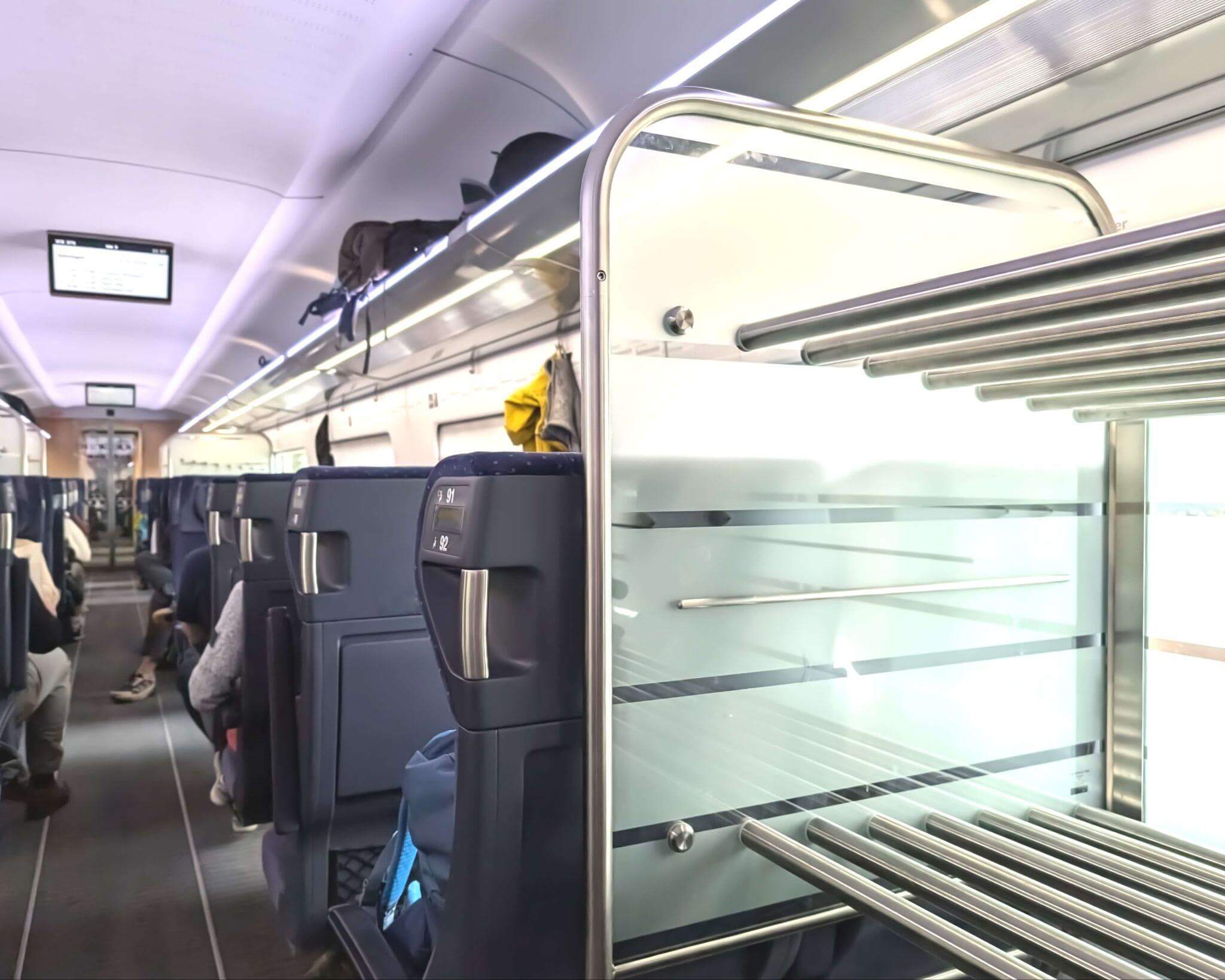
Most European trains have luggage racks at the end of each car and overhead storage above the seats. The end-of-car storage is typically better for larger bags, while overhead storage works well for smaller suitcases and backpacks.
During peak travel times, luggage space fills up quickly, so boarding early can be crucial. If you have a seat reservation, your seat is guaranteed, but luggage space is first-come, first-served.
The Right Size Matters
Mid-size suitcases or large backpacks are ideal for train travel. They’re manageable for you to lift into storage areas and won’t block aisles or annoy fellow passengers. Oversized luggage can be problematic—not just for you, but for everyone else trying to navigate the train.
Navigating Border Crossings
One of the joys of European train travel is the ease of crossing borders, but there are some important considerations, especially for certain routes.
Within the Eurozone
For most European Union countries, border crossings are seamless. Trains simply glide from one country to another without stopping, and you might not even realize you’ve crossed a border until you notice the landscape or architecture changing. However, always carry your passport—random checks do occur.
Special Cases: UK and Switzerland
Some routes require special attention. The Eurostar from London to Paris or Brussels involves airport-style security screening and passport control before boarding. You’ll need to arrive at the station at least 60 minutes before departure—more during busy periods.
Switzerland, while not in the EU, is part of the Schengen Area, so border crossings are generally smooth. However, customs officials occasionally conduct spot checks, particularly on routes from Italy.
Country-Specific Insider Tips
Each European country has its own rail culture and quirks. Understanding these can help you navigate more effectively and avoid common pitfalls.
France: The TGV Experience
France’s high-speed TGV trains are engineering marvels, but they require mandatory seat reservations, even if you have a rail pass. These reservations can book up quickly during peak periods, so plan ahead. The TGV network connects major cities efficiently, but for smaller towns, you’ll often need to use regional trains.
Germany: Precision and Comfort
German trains are renowned for their punctuality and comfort. The ICE high-speed trains offer excellent service between major cities, and German train stations typically have reliable luggage storage facilities if you need to explore a city before your next departure.
Italy: Speed vs. Scenery
Italy offers two main types of train experiences: high-speed Frecciarossa trains for efficiency between major cities, and regional trains for scenic routes and smaller towns. The high-speed trains are worth the extra cost for comfort and time savings, while regional trains offer a more authentic Italian experience.
Switzerland: Scenic Splendor
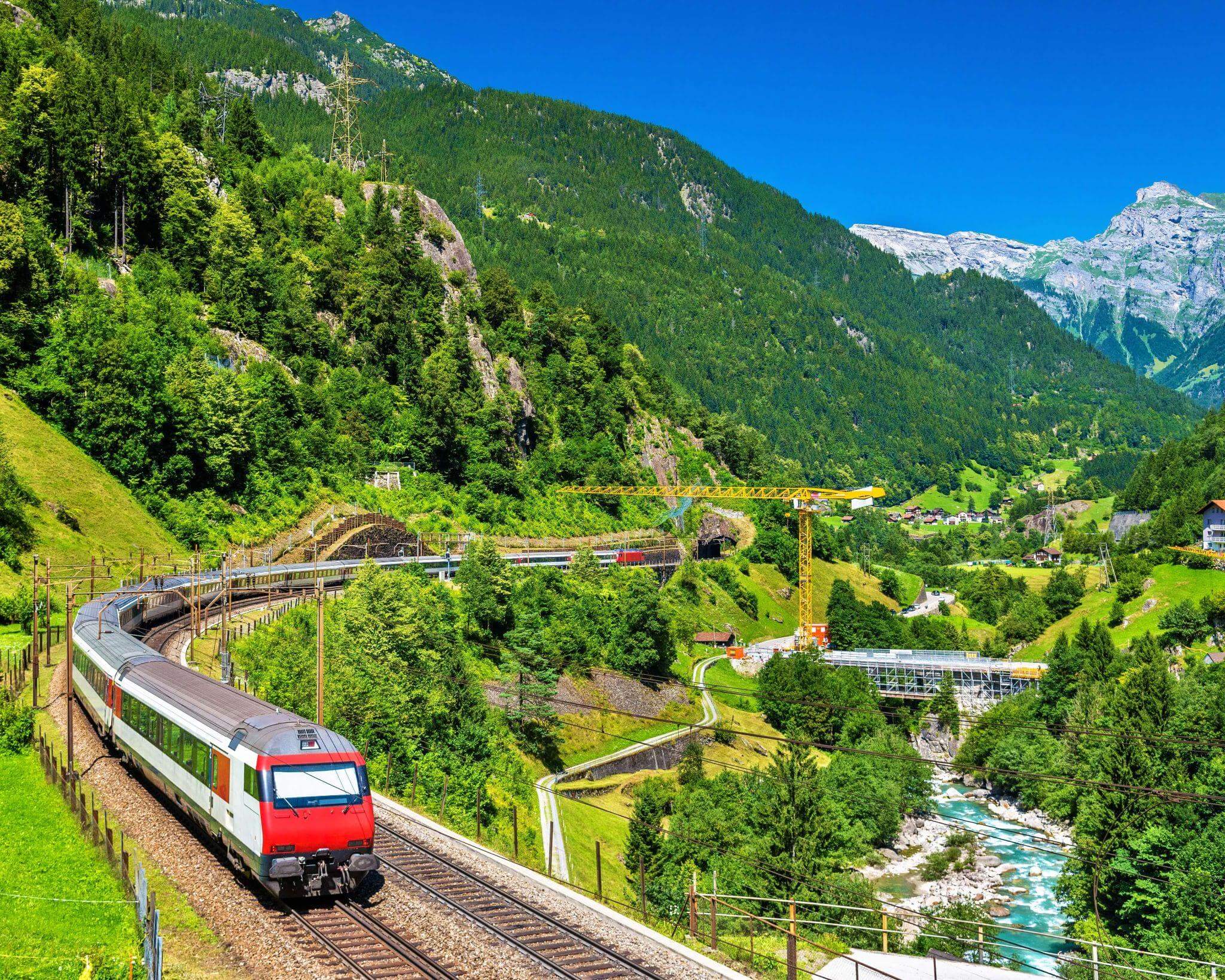
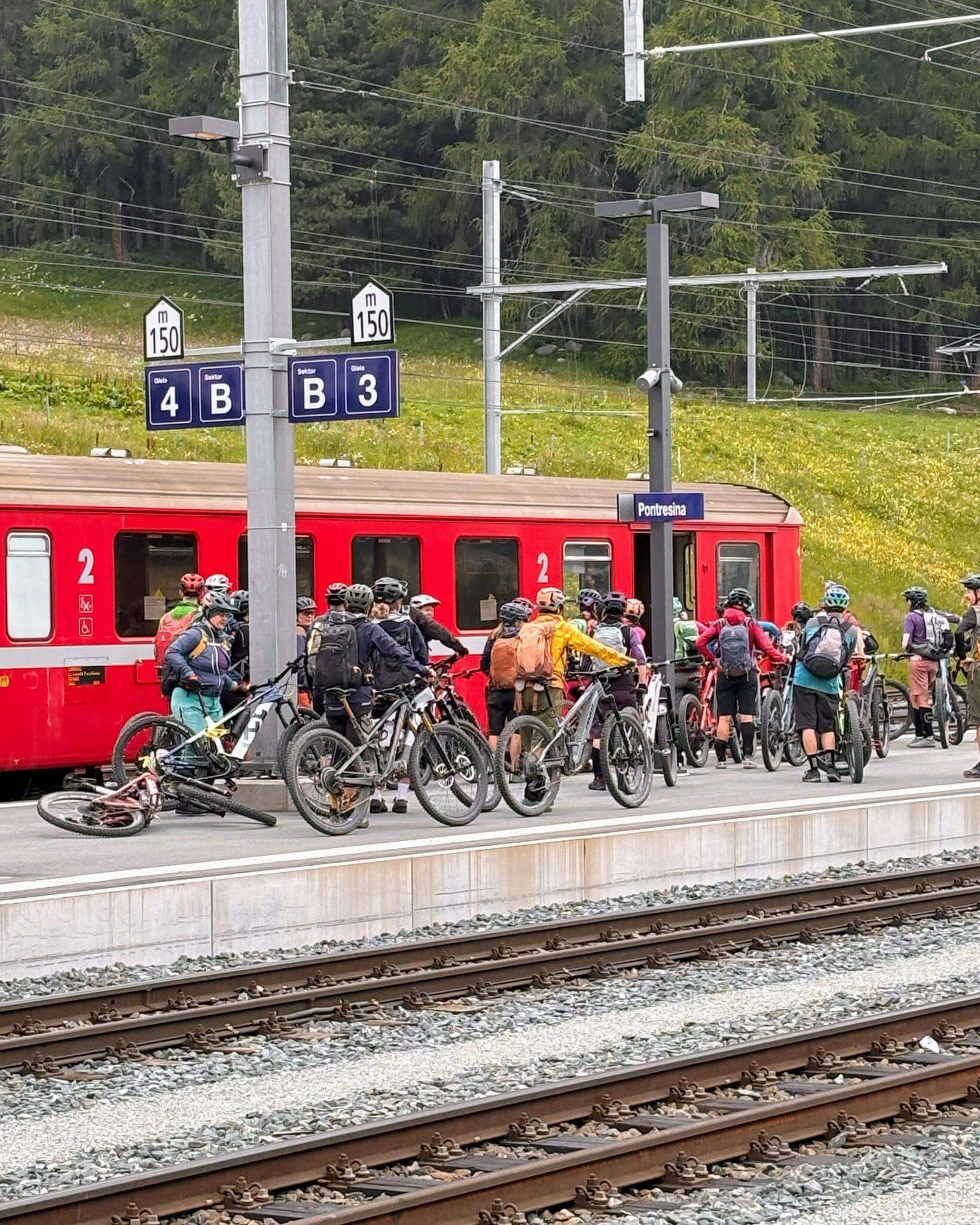
Swiss trains are famous for their stunning views and punctuality. The Swiss Travel Pass can be excellent value, offering unlimited travel on trains, buses, and boats, plus free admission to many museums. Don’t miss the scenic routes—they’re often the highlight of a Swiss visit.
United Kingdom: Book Early or Pay Dearly
UK train travel requires advance planning to avoid sticker shock. Last-minute tickets can be extremely expensive, but advance purchase can offer significant savings. The rail network is extensive but can be complex, so research your routes carefully.

Making Your Journey Comfortable and Enjoyable
European train travel is an opportunity to slow down and enjoy the journey itself. Here are some strategies to make the most of your time on the rails.
Dining and Refreshments
While many long-distance trains have dining cars, the quality and prices vary significantly. European train stations typically have excellent bakeries, supermarkets, and food courts where you can stock up on provisions. Fresh bread, local cheeses, and seasonal fruits make for delicious and economical train meals.
Entertainment and Productivity
Long train journeys offer unique opportunities for reading, planning, or simply watching the world go by. Download maps and travel information while you have strong WiFi at stations, as onboard internet can be spotty. Pack books, music, or games for family travel—a deck of cards has entertained countless families during European train journeys.
First Class Considerations
First-class train travel in Europe can be remarkably good value, especially on longer journeys. The extra space, quieter atmosphere, and often included refreshments can make the upgrade worthwhile. This is particularly true for overnight trains or journeys longer than four hours.
Technology and Apps That Help
Modern train travel benefits from technology, but don’t rely on it exclusively. Here are some helpful tools:
Essential Apps
- Trainline: Comprehensive booking platform for multiple countries
- DB Navigator: German Railways app, useful beyond Germany
- Omio: Multi-modal transport planning
- Citymapper: Essential for navigating train stations and connecting transport
Offline Preparation
Always download key information for offline use. Train delays happen, and having offline maps and contact information can be invaluable. Screenshot your tickets and save them offline as a backup.
Budget-Friendly Strategies
European train travel doesn’t have to break the bank. Here are some money-saving strategies:
Off-Peak Travel
Traveling during off-peak hours can offer significant savings. Early morning and late evening trains are often cheaper than peak-time departures. If your schedule allows flexibility, this can add up to substantial savings over multiple journeys.
Regional Train Adventures
Don’t overlook regional trains for scenic routes and authentic experiences. They’re significantly cheaper than high-speed trains and often offer better views and more opportunities to interact with locals.
Group Discounts
Many European rail companies offer group discounts for three or more travelers. These aren’t always automatically applied, so ask when booking or look for group booking options online.
Safety and Security
European trains are generally very safe, but standard travel precautions apply:
Keeping Valuables Safe
Keep important documents, money, and electronics with you rather than in stored luggage. Most European trains are safe, but opportunistic theft can occur, especially in busy stations.
Station Navigation
Major European train stations can be overwhelming, with multiple levels, numerous platforms, and constant crowds. Arrive early for your first visit to any major station, and don’t hesitate to ask for directions—station staff are generally helpful and often speak multiple languages.
The Environmental Choice
Choosing trains over flights for European travel significantly reduces your carbon footprint. A train journey from London to Paris produces roughly 90% less CO2 than the equivalent flight. For environmentally conscious travelers, this makes train travel not just a lifestyle choice but an ethical one.
Planning Your Perfect European Rail Adventure
Success in European train travel comes down to research, flexibility, and realistic expectations. Start planning early, especially for peak season travel. Book accommodations near train stations when possible—it makes luggage management much easier and reduces stress.
Consider purchasing a good European rail map and guidebook. While digital tools are convenient, having physical backups can be invaluable when technology fails or batteries die.
Final Thoughts: Embrace the Journey
European train travel represents one of the last forms of civilized long-distance transportation. It’s an opportunity to slow down, observe, and connect with the landscape and culture in a way that flying simply can’t match.
The key to successful European train travel is preparation without over-planning. Research your routes, understand the booking systems, and pack appropriately—but leave room for spontaneity. Some of the best travel memories come from unexpected detours and unplanned stops.
Whether you’re crossing the continent for the first time or returning to rediscover favorite destinations, European trains offer a travel experience that’s both practical and profound. The views from the window, the rhythm of the rails, and the simple pleasure of watching the European countryside unfold make every journey an adventure worth savoring.
Pack your bags, charge your devices, and prepare for one of Europe’s greatest travel experiences. The rails are waiting, and the continent is yours to explore—one scenic mile at a time.