The Ultimate Family Travel Guide: Conquering Adventures with Kids of Every Age
The scene: You’re standing in Rome’s Colosseum, trying to capture that perfect family photo, when your 4-year-old decides this ancient amphitheater is the ideal place for an impromptu game of hide-and-seek. Your teenager rolls their eyes at your “tourist behavior” while simultaneously posting the chaos to their Instagram story. Meanwhile, your 8-year-old is having a meltdown because the gladiator tour doesn’t include actual gladiators. Sound familiar?
Welcome to the beautiful, chaotic, utterly rewarding world of family travel.
If you’ve ever dreamed of exploring the world with your children but felt overwhelmed by the logistics, you’re not alone. The idea of navigating international airports with diaper bags, managing jet-lagged toddlers, or keeping teenagers engaged beyond their phones can feel more daunting than climbing Mount Everest. But here’s the truth that seasoned family travelers know: with the right strategies, traveling with kids isn’t just possible—it’s absolutely magical.
This comprehensive guide will transform you from a stressed-out parent dreading the next family vacation into a confident family travel expert. Whether you’re a millennial parent planning your first overseas adventure with a baby, a Gen X traveler trying to balance teenage attitudes with cultural enrichment, or a Baby Boomer grandparent ready to create unforgettable memories with grandchildren, we’ve got you covered.

Why Family Travel Matters More Than Ever
In our digital age, family travel has become more important than ever. It’s one of the few times we can truly disconnect from our daily routines and connect with each other. Studies show that children who travel develop greater empathy, cultural awareness, and problem-solving skills. For parents, these shared adventures create bonds that last a lifetime.
But let’s be honest—the thought of managing passports, packing for multiple people, and keeping everyone happy across different time zones can be overwhelming. The good news? Thousands of families successfully navigate international travel every day, and with the right preparation, yours can too.
The Truth About Traveling with Kids at Different Ages
Here’s what no one tells you: there’s no “perfect” age to travel with children. Each stage brings unique challenges and incredible rewards. Understanding these differences is the key to planning successful family adventures.
The surprise winner? Babies and toddlers are often easier to travel with than school-age children. They’re portable, adaptable, and don’t yet have strong opinions about your itinerary. The challenging middle ground? Elementary school-age kids who have energy to burn but limited patience for cultural experiences. The sweet spot? Teenagers who can keep up with adult-paced travel and will actually remember the trip.
Mastering Travel with Babies and Toddlers (Ages 0-3)
Contrary to popular belief, babies and toddlers make surprisingly good travel companions. They’re naturally adaptable, sleep frequently, and haven’t yet developed the strong preferences that can derail carefully planned itineraries.
The Portable Advantage
Babies under two travel free on most airlines and are genuinely portable. They don’t need their own hotel room, they’re content with simple pleasures, and they adapt to new environments relatively quickly. The key is working with their natural rhythms rather than against them.

Strategic Packing for Maximum Mobility
The Golden Rule: Pack light, pack smart. You don’t need to bring the entire nursery with you.
Essential Gear:
- Lightweight, compact stroller: Choose one that folds easily and fits in overhead compartments. European cities with cobblestone streets and endless metro stairs will test your equipment—and your patience.
- Baby carrier or wrap: Essential for navigating crowds, uneven terrain, or when you need hands free for tickets and maps.
- Portable high chair: Clip-on chairs work in most restaurants and save you from the negotiation of adult chairs.
- Collapsible travel crib: Many accommodations provide cribs, but having your own ensures consistency.
Accommodation Strategies That Work
Vacation rentals over hotels: More space means less stress. Having a kitchen allows you to prepare familiar foods and heat bottles without depending on hotel staff. Plus, you can do laundry—a game-changer for longer trips.
Location matters: Choose accommodations within walking distance of key attractions. When nap time hits, you can quickly return to your room rather than being stranded across the city.
Borrowing vs. buying: Many vacation rentals and hotels provide cribs, high chairs, and even strollers. Confirm availability before packing these bulky items.
Flight Strategies for Tiny Travelers
Red-eye flights are your friend: If your baby can sleep through the flight, you’ll arrive feeling semi-human. Book the bassinet seats in the bulkhead row—they’re worth their weight in gold.
Feeding during takeoff and landing: This helps prevent ear pain from cabin pressure changes. For breastfeeding mothers, this is natural. For bottle-fed babies, time the feeding accordingly.
Entertainment arsenal: Pack more than you think you’ll need. New toys, favorite books, and simple snacks can prevent meltdowns at 30,000 feet.
The Nap-Time Museum Strategy
Here’s an insider secret: the best time to visit quiet museums and galleries is during nap time when your little one is peacefully sleeping in the stroller. You’ll get your cultural fix while they get their rest. It’s a win-win that makes both parents and children happy.
Outdoor Adventures with Little Ones
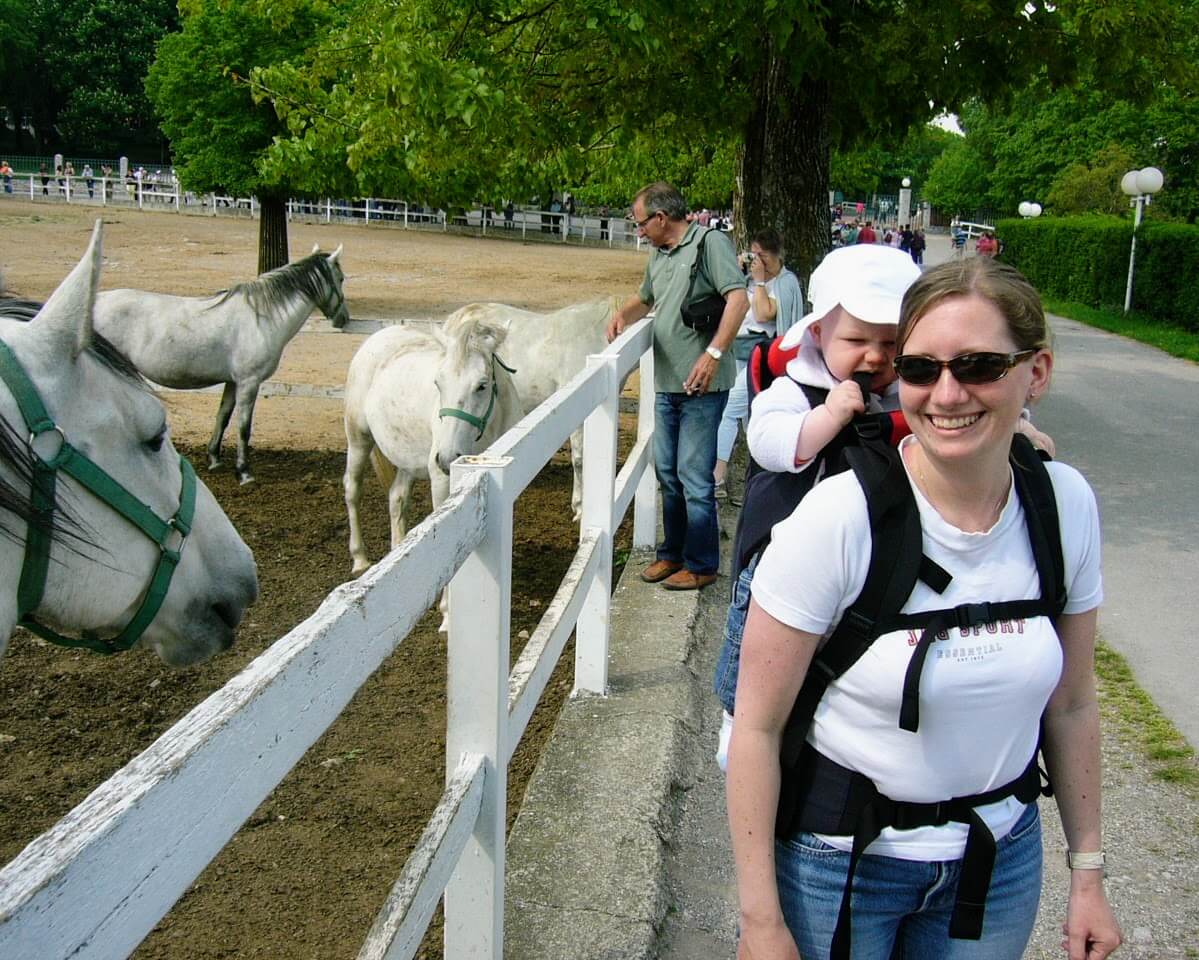
Don’t let having a baby stop you from exploring nature. Invest in a quality hiking carrier, and suddenly mountain trails become accessible again. Babies often love the gentle motion and fresh air. Just be prepared for curious looks from other hikers who are amazed at your adventurous spirit.
Navigating the Tween Years (Ages 4-11)
This age group presents unique challenges. They’re old enough to have opinions but young enough to lack patience for constant movement. The key to successful tween travel is slowing down and mixing educational experiences with pure fun.
The Stamina Challenge
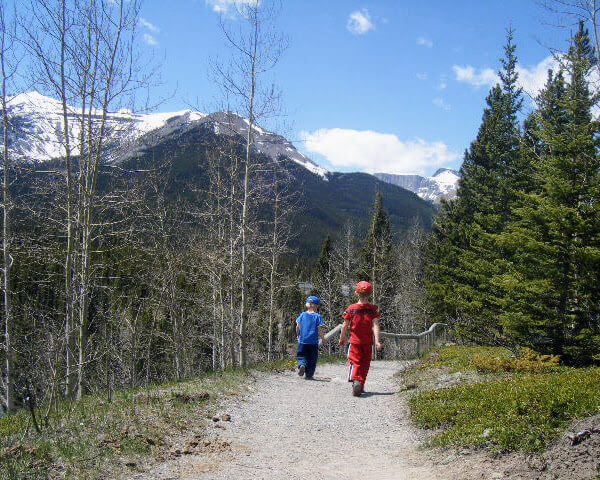
Tweens have one major weakness: limited stamina for constant movement. If you shuffle them from city to city every two days, expect whining, exhaustion, and passive-aggressive sighing that would make a teenager proud.
The solution? Slow travel. Stay in one location for at least a week. This allows children to settle in, reduces packing and unpacking stress, and gives everyone time to truly explore rather than just check boxes.
Activity Balance That Actually Works
The 50/50 rule: For every “educational” activity, plan something purely fun. Visit the Louvre in the morning, then spend the afternoon at a playground along the Seine. Explore ancient ruins, then let them burn energy at a local park.
Hands-on learning: Interactive museums work better than traditional galleries. Science museums, children’s museums, and historical sites with costumed interpreters capture their imagination in ways that “look but don’t touch” exhibits cannot.
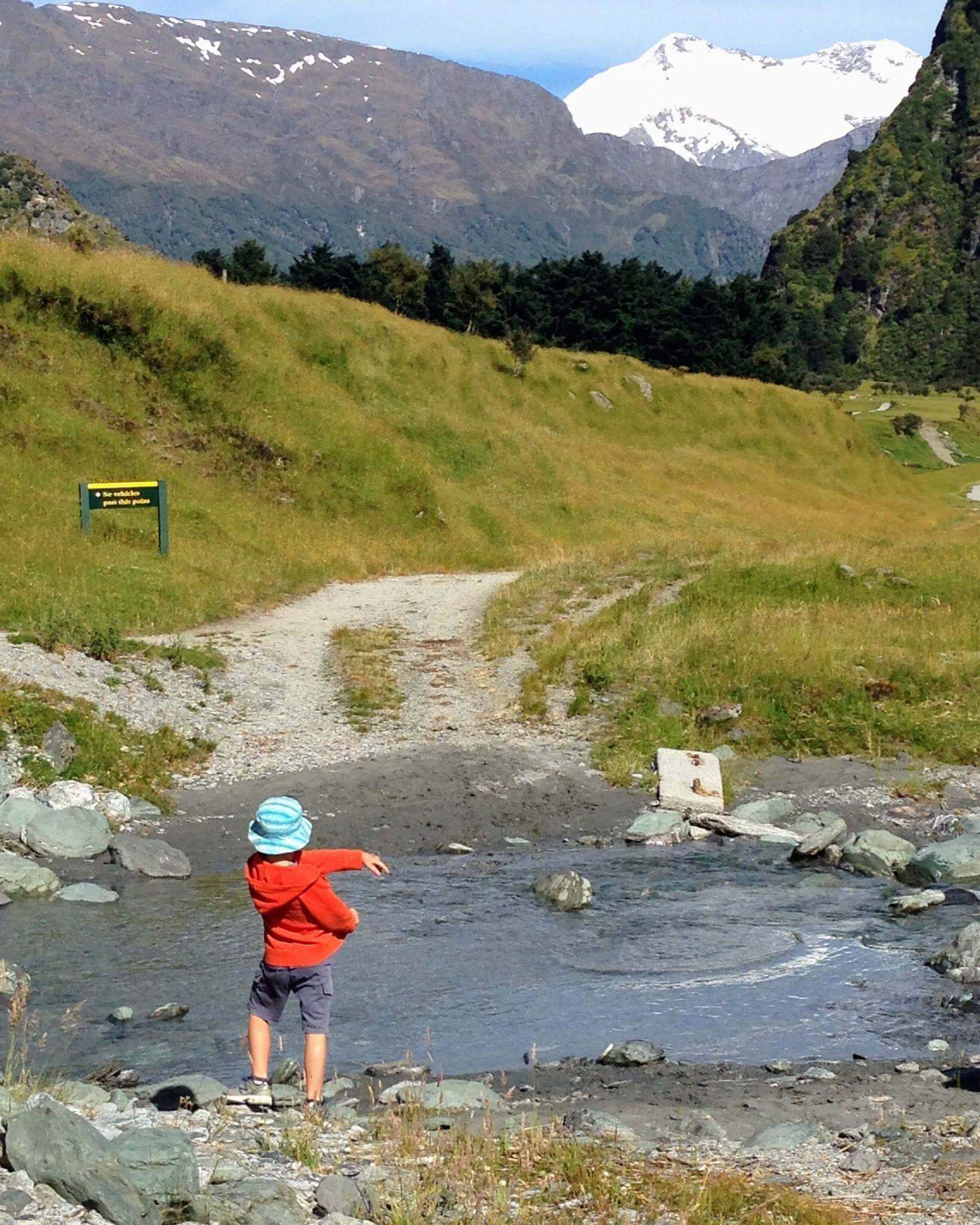
Natural wonders: Beaches, mountains, and national parks provide endless entertainment. Children this age are naturally curious about wildlife, geology, and outdoor exploration.
The Art of Realistic Planning
Avoid the “everything must be seen” trap: Quality over quantity. It’s better to thoroughly explore three attractions than to rush through ten.
Build in downtime: Schedule rest periods, even if it’s just sitting in a café with a snack. Overtired children make poor travelers.
Weather backup plans: Have indoor alternatives ready. That perfect beach day might turn rainy, and you’ll need options that don’t involve everyone being cooped up in a hotel room. Think movies, bowling alleys and shopping malls.
Transportation Strategies for Tweens
Avoid long-haul flights when possible: If your gut tells you a 24-hour journey will break everyone’s spirit, listen to it. Sometimes the journey isn’t worth the destination.
Train travel magic: Trains offer space to move around, spectacular scenery, and the novelty that keeps children engaged. The journey becomes part of the adventure.
Car rental considerations: Having your own vehicle provides flexibility for spontaneous stops and allows you to travel at your own pace. Just be prepared for “Are we there yet?” choruses.
The Navigation Game
Turn map reading into an adventure. Give tweens the responsibility of navigating short walking routes. Let them be the guide to the next attraction. This builds confidence and keeps them engaged in the journey rather than just the destination.
Milestone rewards: Build in small rewards for reaching certain points. A gelato stop after walking a mile, a small souvenir after visiting a museum, or choosing the next day’s activity as a reward for good behavior.
Mastering Teenage Travel (Ages 12-18)
Surprise! Traveling with teenagers is actually fantastic. They’re old enough to keep pace with adult activities, can entertain themselves when needed, and will actually remember the trip years later. The key is involving them in the planning process and balancing their interests with your educational goals.
The Sweet Spot of Family Travel
Teenagers represent the golden age of family travel. They can:
- Walk long distances without complaining (much)
- Carry their own luggage
- Navigate public transporation
- Stay up late for evening activities
- Appreciate cultural experiences
- Take responsibility for their own entertainment.

Interest Integration Strategies
The negotiation approach: For every historical site or museum you want to visit, let them choose an activity they’re genuinely excited about. This might be a local music venue, a trendy neighborhood for shopping, or an adventure activity like zip-lining.
Social media opportunities: Teenagers are natural photographers. Encourage them to document the trip through their own lens. Many teens become genuinely interested in photography and storytelling through travel. There’s some great diary apps that they can add to along the way.
Cultural immersion: Teens often enjoy authentic experiences more than tourist attractions. Local markets, street food tours, and neighborhood festivals provide Instagram-worthy moments and genuine cultural learning.
Long-Haul Flight Advantages
Teenagers can stare at screens for impressive amounts of time. Use this to your advantage on long flights. They can entertain themselves with movies, games, and social media while you actually get some rest.
Essential teen packing:
- Noise-canceling headphones (for everyone’s sanity)
- Portable chargers and power banks
- Travel adapter for their devices
- Comfortable travel pillow
- Their own entertainment (don’t rely on airline options)
Memory-Making Opportunities
This is the age where children start forming lasting memories. The experiences you share now will be stories they tell their own children. Take advantage of this by:
- Planning at least one “splurge” experience per trip
- Encouraging them to keep a travel journal
- Creating opportunities for independence within safe boundaries
- Respecting their need for both family time and personal space

Universal Family Travel Strategies That Work
Regardless of your children’s ages, certain strategies make family travel smoother and more enjoyable for everyone involved.
Smart Booking Strategies
Accommodation selection: Look beyond just price and location. Family-friendly features that matter include:
- Kitchenettes for preparing simple meals
- Laundry facilities (essential for longer trips)
- Connecting rooms or suites for space and privacy
- Pools or play areas for burning energy
- Proximity to grocery stores and pharmacies
Flight booking wisdom:
- Book seats together well in advance
- Choose aisle seats for easy bathroom access
- Consider seat-back entertainment when available
- Direct flights are worth the extra cost
- Travel insurance becomes essential with multiple family members
Packing Like a Pro
The one-week rule: Pack for one week regardless of trip length. You can do laundry anywhere, and lighter luggage makes everything easier.
Packing cubes revolution: These organisational tools are game-changers for family travel. Assign each family member a color and pack their items in corresponding cubes.
The magic of packing lists: Create reusable packing lists for different types of trips. This reduces stress and ensures nothing important is forgotten.
Essential items for every family trip:
- First aid kit with band-aids, pain relievers, and any prescription medications
- Snacks (more than you think you need)
- Entertainment options for all ages
- Comfort items (favourite stuffed animals, blankets)
- Travel-size laundry detergent
- Universal phone charger
- Copies of important documents
Timing Your Travel for Success
Shoulder season advantages: Traveling during off-peak times means fewer crowds, lower prices, and more relaxed experiences. This is especially beneficial with children who can become overwhelmed in tourist-heavy environments.
School schedule considerations: While traveling during school breaks is often necessary, consider the benefits of shoulder season travel if your school district allows it.
Jet lag management: Help children adjust to new time zones by maintaining structured meal and sleep schedules. Natural light exposure and staying hydrated are crucial for the whole family.

Creating Flexible Itineraries
The 80/20 rule: Plan 80% of your trip but leave 20% for spontaneous discoveries. Some of the best family travel memories come from unexpected adventures.
Daily activity limits: Don’t over-schedule. One major activity per day is often enough, especially with younger children.
Children’s input: Involve kids in planning age-appropriate activities. When they have a say in the itinerary, they’re more invested in the experience.
Backup plans: Always have indoor alternatives for outdoor activities and vice versa. Weather changes, unexpected closures, and energy levels can derail even the best plans.
Regional Considerations for Family Travel
Different regions present unique opportunities and challenges for family travel. Understanding these can help you choose destinations that align with your family’s interests and abilities.
Europe: The Family-Friendly Continent
Advantages: Excellent public transportation, walkable cities, abundant parks and playgrounds, family-friendly restaurants, and rich cultural experiences.
Challenges: Cobblestone streets with strollers, language barriers, and sometimes crowded tourist areas.
Top family destinations: London (free museums, parks), Paris (Disneyland nearby), Rome (interactive history), Amsterdam (bike-friendly), and Barcelona (beaches and culture).
Asia: Cultural Immersion with Logistics
Advantages: Incredible cultural experiences, family-oriented societies, excellent food, and often very affordable.
Challenges: Language barriers, different sanitation standards, and potentially overwhelming sensory experiences.
Family-friendly highlights: Japan (efficient transportation, cleanliness), Thailand (beaches, friendly culture), and Singapore (modern infrastructure, diverse attractions).
North America: Familiar Yet Diverse
Advantages: If you’re traveling from an english speaking country, no language barriers, familiar food options, excellent infrastructure, and diverse landscapes.
Challenges: Potentially expensive, long driving distances, and less cultural diversity than international destinations.
Must-see family destinations: National parks, major cities with family attractions, and coastal areas.
Australia and New Zealand: Adventure Paradise
Advantages: English-speaking, outdoor adventure opportunities, unique wildlife, and family-friendly culture.
Challenges: Long flight times, potentially expensive, and seasonal considerations.
Family highlights: Sydney (harbor attractions), Melbourne (cultural experiences), Great Barrier Reef and Uluru (magical nature) and New Zealand’s natural wonders.

Technology Tools for Modern Family Travel
Today’s technology can significantly simplify family travel when used strategically.
Essential Apps for Family Travelers
Translation apps: Google Translate works offline and can translate text through your camera—perfect for menus and signs.
Navigation apps: Google Maps offline functionality ensures you won’t get lost even without internet connection.
Currency converters: Helps older children understand costs and makes budgeting educational.
Weather apps: Essential for planning daily activities and packing decisions.
Entertainment apps: Downloaded content for flights and long car rides.
Safety and Communication Tools
Family location sharing: Apps like Find My Friends provide peace of mind when exploring separately.
Emergency contact information: Store important numbers in multiple places and formats.
Travel insurance apps: Quick access to policy information and emergency contacts.
Photo backup: Automatic cloud backup ensures memories aren’t lost if devices are damaged or lost.
Budget-Friendly Family Travel Strategies
Family travel doesn’t have to break the bank. Smart planning and strategic choices can make amazing adventures accessible to most families.
Accommodation Savings
Vacation rentals: Often cheaper than multiple hotel rooms and provide kitchen facilities for meal preparation.
House sitting: Free accommodation in exchange for pet or house care.
Hostels with family rooms: Many modern hostels offer private family rooms at budget-friendly prices.
Camping: National parks and campgrounds provide affordable accommodation with built-in activities.
Transportation Deals
Airline family discounts: Some airlines offer discounts when booking multiple family members.
Train passes: European rail passes can be economical for multi-city trips.
Car rental strategies: Compare prices across different companies and consider longer rental periods for better rates.
Activity Savings
Free attractions: Many cities offer free museums, parks, and cultural sites.
City tourism cards: Often provide discounts on attractions and public transportation.
Picnic meals: Shopping at local markets and having picnic lunches saves money and creates cultural experiences.
Timing for Best Deals
Off-season travel: Significant savings on accommodation and attractions.
Advance booking: Airlines and hotels often offer better rates for early bookings.
Package deals: Sometimes bundling flights, hotels, and activities saves money.

Common Family Travel Challenges and Solutions
Even with the best planning, family travel comes with challenges. Here’s how to handle the most common ones:
Meltdowns and Behavioral Issues
Prevention strategies:
- Maintain routines as much as possible
- Ensure adequate sleep and nutrition
- Build in downtime and physical activity
- Pack comfort items and familiar snacks
- Don’t expect too much, stay calm, be prepared to alter plans or perhaps take a day off hte sightseeing to focus on family fun
Logistical Nightmares
Lost luggage: Pack essentials and spare change of clothes in carry-on bags and keep receipts for reimbursement.
Flight delays: Pack extra entertainment and snacks, and maintain flexibility.
Weather changes: Have backup indoor and outdoor activities planned.
Cultural misunderstandings: Research local customs and teach children about cultural sensitivity.
Creating Lasting Memories
The ultimate goal of family travel is creating memories that last a lifetime. Here’s how to make sure your adventures are remembered fondly:
Photo tips:
Travel journals: Encourage children to write or draw about their experiences daily. Take photos of every day moments, not just major attractions.
Souvenir strategies: Choose meaningful items rather than generic tourist trinkets.
Digital memories: Create shared photo albums that everyone can contribute to. Let children take their own photos and print them afterwards.
The Future of Family Travel
Family travel continues to evolve with changing lifestyles, technology, and global circumstances. Understanding these trends can help you plan better future adventures.
Sustainable Family Travel
Growing awareness: Families are increasingly conscious of their environmental impact.
Practical approaches: Choosing closer destinations, longer stays, and eco-friendly accommodations.
Educational opportunities: Teaching children about environmental responsibility through travel choices.
Technology Integration
Enhanced experiences: Augmented reality apps that bring historical sites to life.
Improved safety: Better tracking and communication tools for families.
Streamlined planning: AI-powered trip planning tools that consider family needs.
Changing Family Structures
Flexible definitions: Travel planning that accommodates diverse family structures.
Multi-generational trips: Increasing popularity of trips involving grandparents and extended family.
Solo parent travel: Growing resources and support for single parents traveling with children.
Your Family’s Next Adventure Awaits
Family travel isn’t just about seeing new places—it’s about growing together, learning together, and creating stories you’ll tell for years to come. Yes, it requires more planning than solo travel. Yes, there will be challenging moments. But the rewards far outweigh the difficulties.
Remember that Roman Colosseum scene from our opening? That “chaotic” moment probably became one of your favorite family stories. The meltdowns, the wrong turns, the unexpected discoveries—these become the adventures you laugh about long after you return home.
Every family is different, and there’s no perfect formula for family travel success. What matters is finding the approach that works for your unique family dynamic. Whether that’s slow travel with lots of downtime, action-packed adventures, or cultural immersion experiences, the key is planning with intention and maintaining flexibility.
The world is full of incredible destinations waiting to welcome your family. From the cobblestone streets of European cities to the vast wilderness of national parks, from tropical beaches to mountain peaks, adventures await that will challenge your children’s perspectives and create bonds that last a lifetime.
So start planning that family adventure. Research destinations that excite everyone, involve your children in the planning process, and remember that the journey is just as important as the destination. Your family’s next great adventure is waiting—and it’s going to be absolutely amazing.
Ready to turn your family travel dreams into reality? Explore our destination guides specifically designed for families, complete with age-appropriate activities, family-friendly accommodations, and practical tips for making the most of your adventures together.