The Ultimate Multi-Day Hiking Food Guide: Fuel Your Adventure Without Breaking Your Back
Picture this: you’re three days into an epic mountain trek, the sun is setting behind jagged peaks, and your stomach is rumbling like distant thunder. You reach into your pack and pull out… a soggy sandwich and bruised apple? Not exactly the fuel you need for tomorrow’s challenging ascent!
Planning your multi-day hiking food doesn’t have to be a mystery wrapped in dehydrated packaging. Whether you’re embarking on your first weekend backpacking adventure or you’re a seasoned trail wanderer looking to upgrade your camp cuisine, this guide will transform your wilderness dining from survival mode to something you actually look forward to.
The secret to great multi-day hiking food isn’t just about calories and weight – it’s about finding that perfect balance between nutrition, taste, convenience, and pack-friendly practicality. Let’s dive into everything you need to know to keep your energy levels soaring and your taste buds happy on the trail.
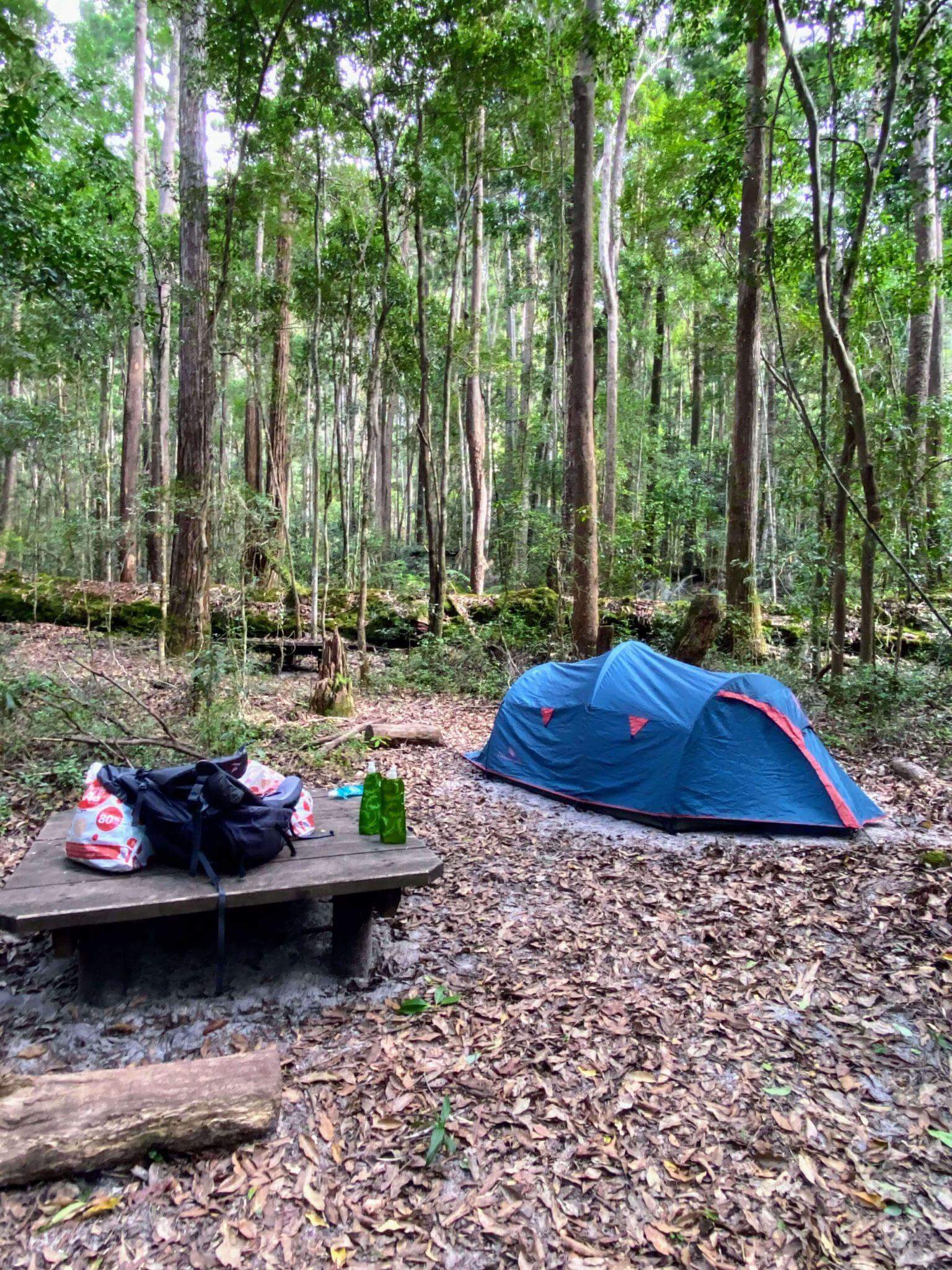
Keep your pack organised by planning out your food into separate bags for each day
Why Multi-Day Hiking Food Planning Matters
When you’re carrying everything you need on your back for days at a time, every ounce counts. But here’s the thing – skimping on proper nutrition can turn your dream adventure into an energy-sapped slog. Your multi-day hiking food strategy needs to deliver sustained energy, essential nutrients, and enough variety to keep meals interesting.
The average hiker burns between 2,500-4,000 calories per day, depending on terrain, pack weight, and body size. That’s significantly more than your typical desk-bound day! Your food needs to work as hard as you do, providing quick energy for those steep climbs and sustained fuel for long trail days.
Multi-Day Hiking Food Breakfast: Start Your Day Right
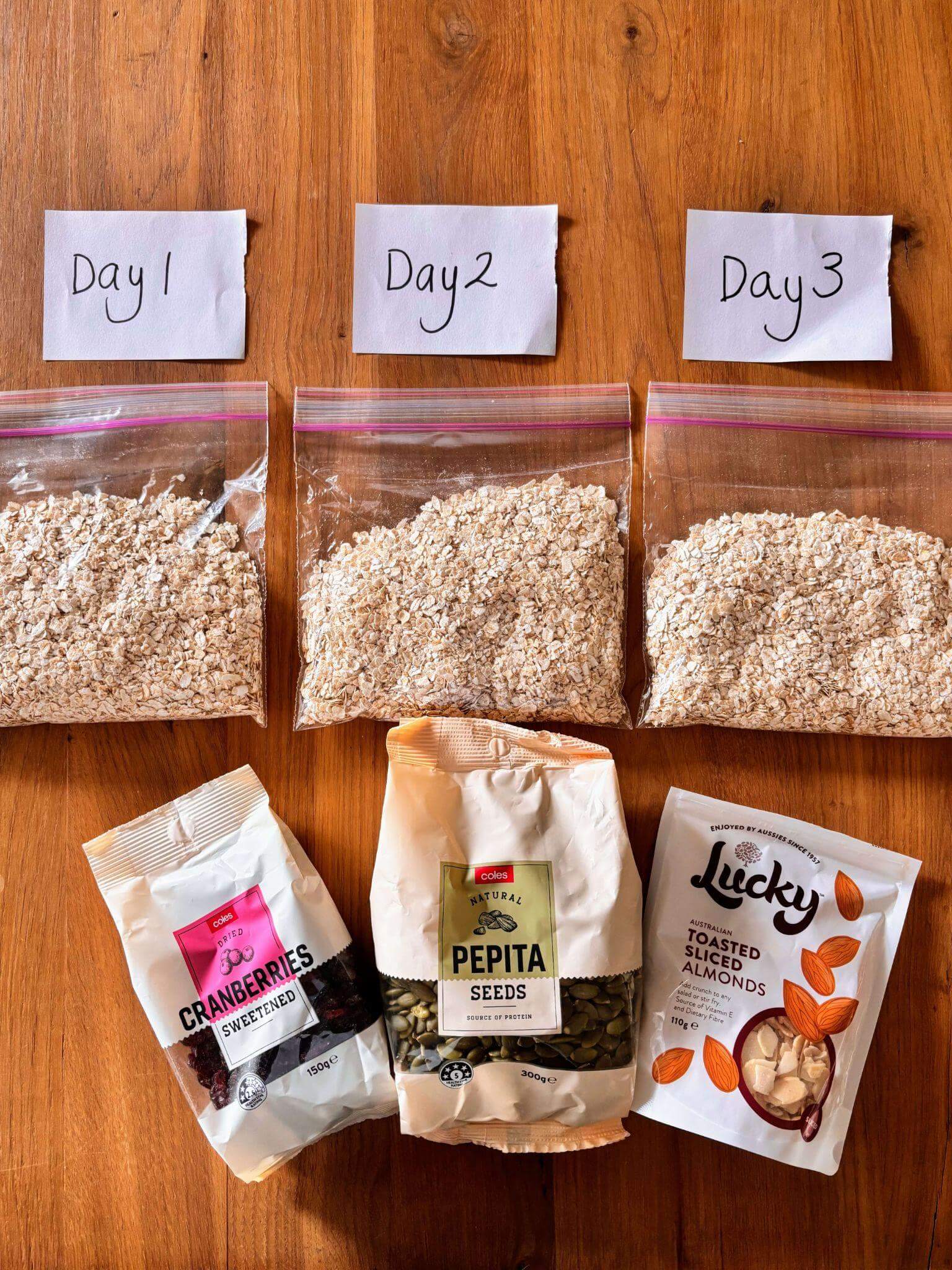
Set out your food by day, and then place all of your food for each day in a separate bag. Choose your favourite dried fruits, seeds and nuts to spice up your morning oats.
The Power of Oats for Trail Breakfast
Nothing beats a warm, filling breakfast when you wake up to crisp mountain air and the promise of adventure ahead. Oats are the undisputed champion of multi-day hiking food breakfasts – they’re lightweight, nutritious, and incredibly versatile.
You can buy honey or fruit-flavoured oat sachets for convenience, but I love customising my morning fuel. Pack your own dried fruit, seeds, and nuts in separate small containers or zip-lock bags, and you can create different flavour combinations throughout your trip. Dried cranberries and almonds one morning, banana chips and walnuts the next – variety is the spice of trail life!
The beauty of oats for multi-day hiking food is their simplicity. Just add hot water from your Jetboil, stir, and you’re ready to tackle whatever the trail throws at you. They provide complex carbohydrates for sustained energy and enough protein to keep you satisfied until your mid-morning snack.
Breakfast Extras That Make a Difference
Don’t underestimate the power of a good hot drink to kickstart your hiking day. Pack instant coffee or tea bags with powdered milk if that’s how you like it. For those cooler mountain mornings, hot chocolate powder can feel like pure magic in a mug.
Powdered ‘cup o’ soup’ sachets are another fantastic addition to your multi-day hiking food breakfast arsenal. They’re warming, flavourful, and provide extra sodium – something your body craves after a night of recovery and before a day of exertion.
Multi-Day Hiking Food Lunch: Fuel for the Trail
Quick and Satisfying Midday Options
Lunch on a multi-day hike should be quick, satisfying, and require minimal preparation. You don’t want to spend precious daylight hours cooking when you could be enjoying those stunning valley views or making progress toward your next campsite.
Vita Wheat crackers with spreads, hard cheese, and salami create the perfect trail lunch combination. Hard cheeses like aged cheddar or parmesan travel well and won’t spoil quickly, while salami provides protein and that satisfying savoury hit your body craves after hours of hiking.
Wraps are another excellent multi-day hiking food lunch option. They’re less crumbly than bread and pack more efficiently. Fill them with tuna sachets (lightweight and protein-packed), sun-dried tomatoes for flavour, and more of that trusty hard cheese. Roll them tight for easy eating on the trail.
First Day Lunch Treats
Here’s a pro tip that’ll make you smile on day one: pack fresh food for your first trail lunch! A crisp salad sandwich or even leftover pizza slices wrapped from the night before can feel incredibly luxurious when you’re surrounded by wilderness. You’ll eat these before they spoil, and they’ll remind you of the comforts of civilisation before you fully embrace the simple pleasures of trail cuisine.
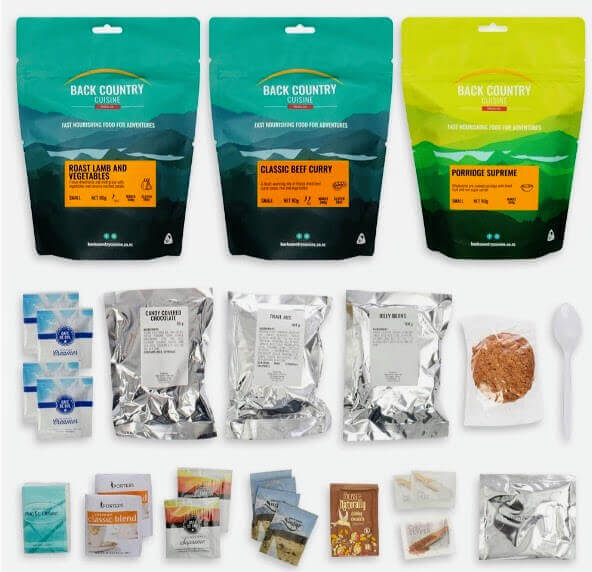
Back Country Cuisine is an example of good dehydrated meals. Lightweight, easy to prepare – just add boiled water.
Multi-Day Hiking Food Dinner: Evening Comfort
Dehydrated Meals Have Come a Long Way
Let’s address the elephant in the tent: dehydrated meals used to have a reputation for tasting like cardboard seasoned with disappointment. Not anymore! Modern dehydrated multi-day hiking food options have genuinely improved, offering everything from Thai curries to hearty pasta dishes.
Sure, they might not win any culinary awards, but here’s the beautiful truth about trail dining – everything tastes better in the wilderness. After a day of fresh air, exercise, and stunning scenery, even a simple dehydrated beef stew can taste like a five-star meal when you’re watching the stars emerge over your campsite.
Alternative Dinner Ideas
If dehydrated meals aren’t your thing, consider noodles with dehydrated vegetables and beef jerky. This combination gives you carbs for energy, vegetables for nutrition, and protein for muscle recovery. Plus, you can customise the flavours with different spice sachets.
The key principle for multi-day hiking food dinners is simplicity. You want something that requires minimal cooking time and cleanup. After a long day on the trail, the last thing you want is to spend hours over a camp stove or clean multiple pots and pans.
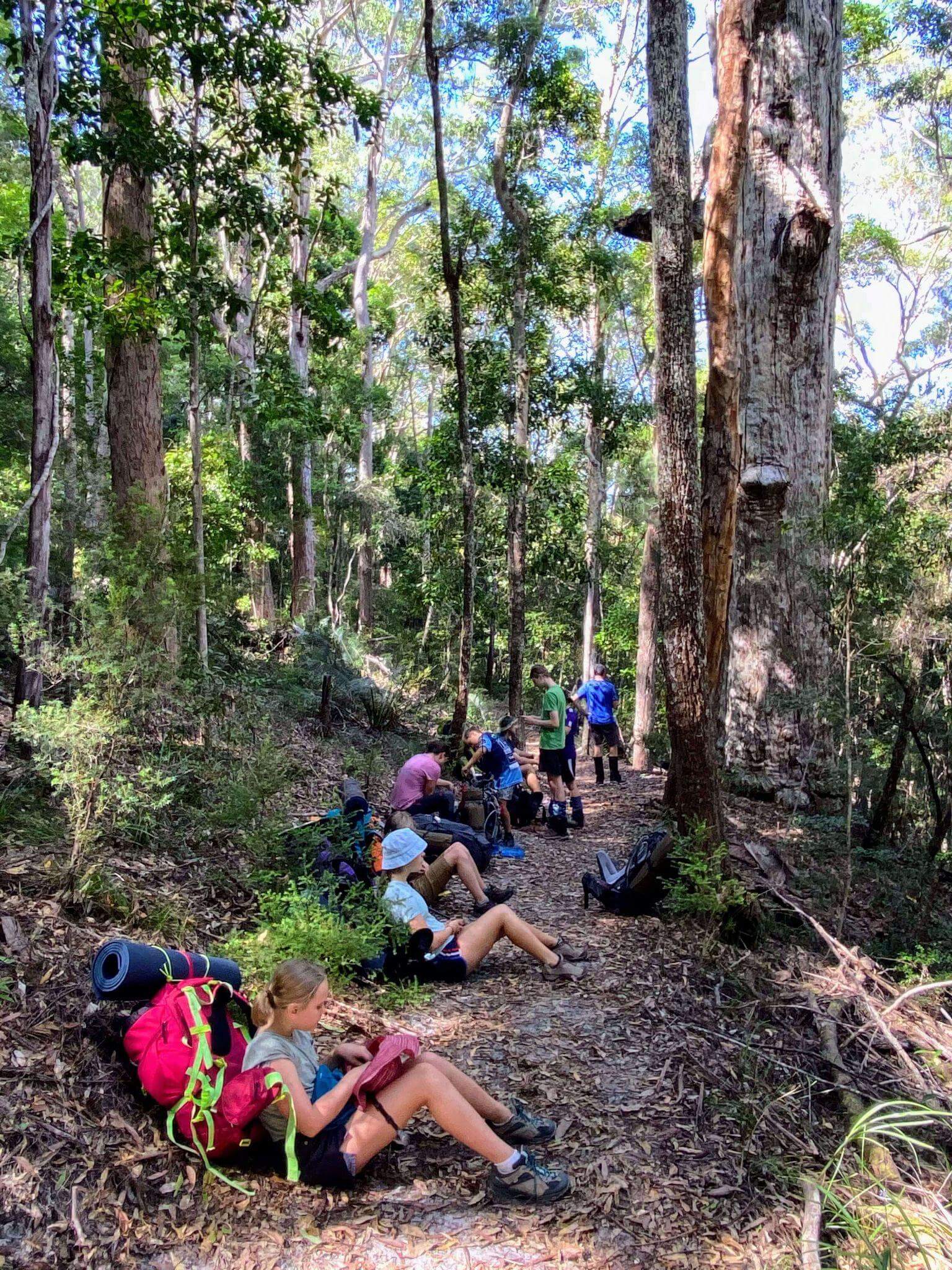
Multi-Day Hiking Food Snacks: Trail Energy Boosters
Energy-Dense Snacking Strategy
When it comes to multi-day hiking food snacking, think energy density over everything else. Don’t worry too much about calories – you’ll be burning plenty on the trail, and keeping your energy levels steady is crucial for safety and enjoyment.
Trail mix is a classic for good reason. The combination of nuts (healthy fats and protein), dried fruit (quick energy), and maybe some chocolate pieces (happiness and quick energy) provides sustained fuel for your muscles and brain. Make your own mix to control the ingredients and avoid paying premium prices for pre-made versions.
Chocolate, lollies, and glucose gels might seem indulgent, but they serve a real purpose in your multi-day hiking food strategy. When you hit that mid-afternoon energy dip or face an unexpectedly challenging climb, quick-acting sugars can provide the boost you need to push through.
Granola bars offer a more substantial snacking option, combining oats, nuts, and dried fruit in a convenient, non-crumbly package. Look for varieties with natural ingredients and avoid anything that might melt in warm weather.
Multi-Day Hiking Food Packing: Organisation is Key
The Art of Food Packing
Here’s where smart organisation transforms your multi-day hiking food experience from chaotic rummaging to efficient fueling. Pack your daily snacks in an easily accessible outer pocket of your pack. Trust me – when you need that energy boost mid-climb, you don’t want to stop and unpack half your gear to find a granola bar.
For your main meals, pack each day’s food rations in separate, clearly labelled stuff sacks. Day 1, Day 2, Day 3 – simple and effective. This system prevents the dreaded scenario of eating all your best food on the first day and being left with the least appealing options when you’re most tired and need comfort food.
Don’t forget to pack a garbage bag to collect your rubbish as you go. Leave no trace isn’t just good ethics – it’s about preserving these incredible places for future adventurers to enjoy.
Essential Packing Extras
Small organisational tools can make a huge difference to your multi-day hiking food experience. Pack plenty of zip-lock bags for repackaging opened items, preventing spills, and keeping things dry. Elastic bands are surprisingly useful for sealing packages and bundling utensils.
Include a small dishcloth, drying towel, and tiny bottle of washing up liquid for cleanup. A small pair of scissors can be invaluable for opening packages and a myriad of purposes on your walk.
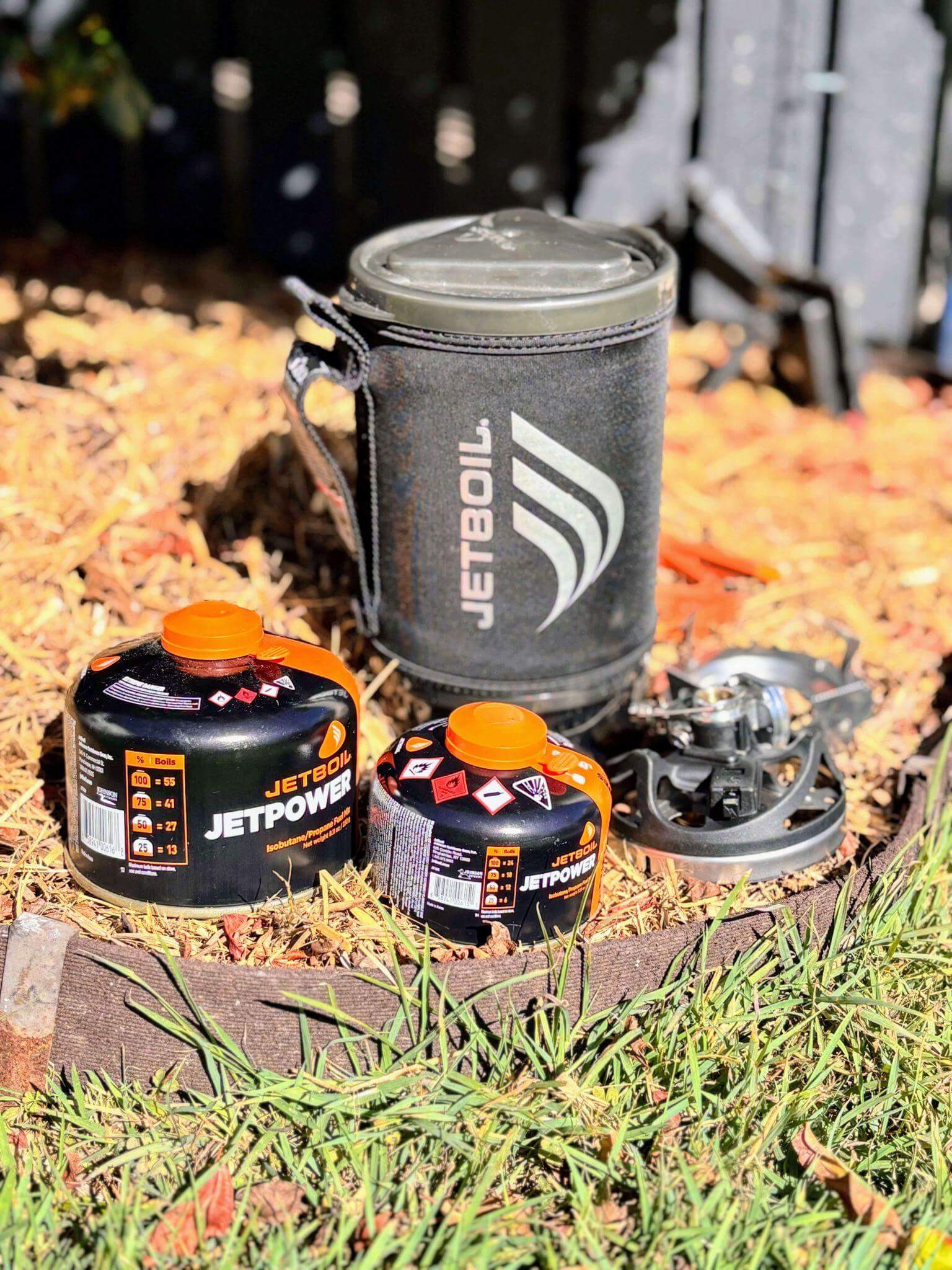
This Jetboil is the only cooking equipment I take on a multi-day hike. This is the family sized one, there are small options for solo hikers.
Multi-Day Hiking Food Meal Prep: Keep It Simple
The Jetboil Philosophy
When it comes to cooking equipment for multi-day hiking food preparation, I swear by one principle: keep it simple. My Jetboil is the only piece of cooking kit I take – it’s compact, versatile, and incredibly efficient.
You can choose a gas canister size to suit the length of your journey, but here’s a crucial tip: build in a buffer for how much gas you think you’ll need. Usage can vary significantly at different altitudes, and running out of gas when you’re trying to cook dinner on day three is not the adventure story you want to tell.
The beauty of the Jetboil system is its versatility. Boil water for oats, heat soup, cook noodles, or prepare dehydrated meals – all with one compact, lightweight piece of equipment. It heats quickly and efficiently, getting you fed and back to enjoying the wilderness faster.
Smart Cooking Strategies
Think carefully about the cooking equipment any meal requires. If you need multiple pots, pans, and cooking utensils, that’s going to mean a significantly heavier pack. Part of the joy of multi-day hiking is watching the volume of stuff in your pack shrink as you eat through your food supplies – don’t counteract this benefit by carrying a full camp kitchen.
Keep your utensil kit minimal but functional: one spork and bowl per person, one or two plates per group (these double as cutting boards for meal prep), one mug per person that works for both hot drinks and water, and one small, sharp knife for the group.
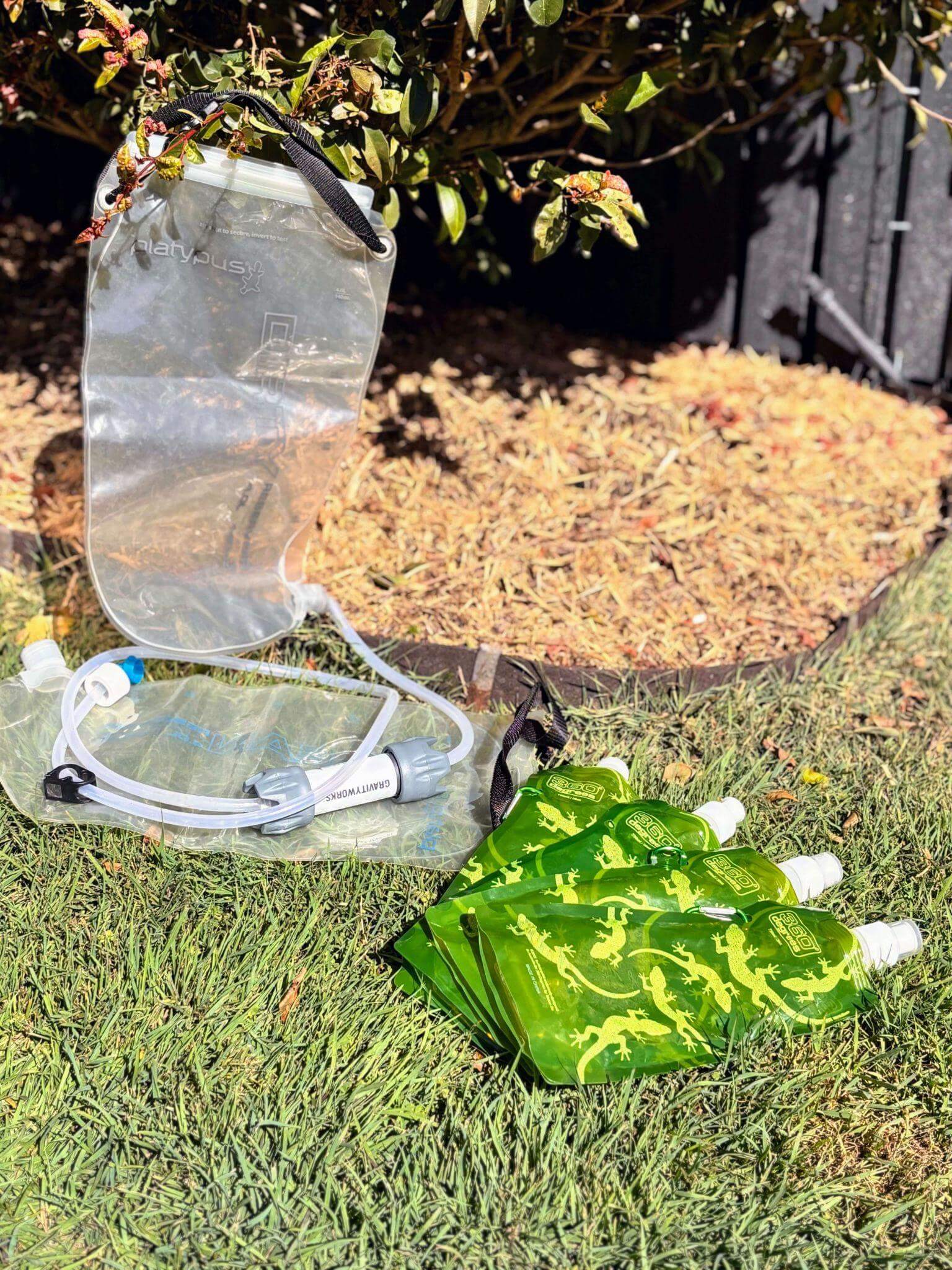
This Platypus gravity fed water purifier is great for bulk water filtering to fill up multiple water bottles in a short amount of time.
Multi-Day Hiking Food Drinks: Hydration and Comfort
Beyond Just Water
While water is obviously your primary hydration concern, don’t underestimate the comfort and nutritional value of other drinks in your multi-day hiking food plan. Tea and coffee provide familiar comfort and a caffeine boost when you need it most.
Hydrolyte or similar electrolyte drinks are excellent for recovery after heavy exertion. They help replace the salts and minerals you lose through sweat, particularly important on hot days or challenging terrain.
Hot chocolate powder serves double duty as both a comforting evening drink and a morale booster when weather conditions are challenging. Sometimes the difference between a good hiking day and a great one is a warm, sweet drink while watching the sunset from your campsite.
What NOT to Pack: Multi-Day Hiking Food Mistakes
Heavy and Impractical Foods to Avoid
Learning what not to include in your multi-day hiking food selection is just as important as knowing what to pack. Anything in cans is immediately off the list – too bulky, heavy, and you’ll need to carry out the empty containers.
Sodas and carbonated drinks are similarly problematic. They’re heavy, the containers are bulky, and the carbonation doesn’t travel well at altitude. Stick to powdered drink options instead.
Avoid anything that requires refrigeration – this seems obvious, but it’s easy to forget about foods like yogurt or fresh milk that need to stay cold. Your backpack isn’t a refrigerator!
Fresh fruit, while delicious and nutritious, needs careful consideration for multi-day hiking food. Unless you have room for a hard container to prevent crushing, soft fruits turn into unappetising mush. If you do want fresh fruit, choose hardy options like apples for the first day only.
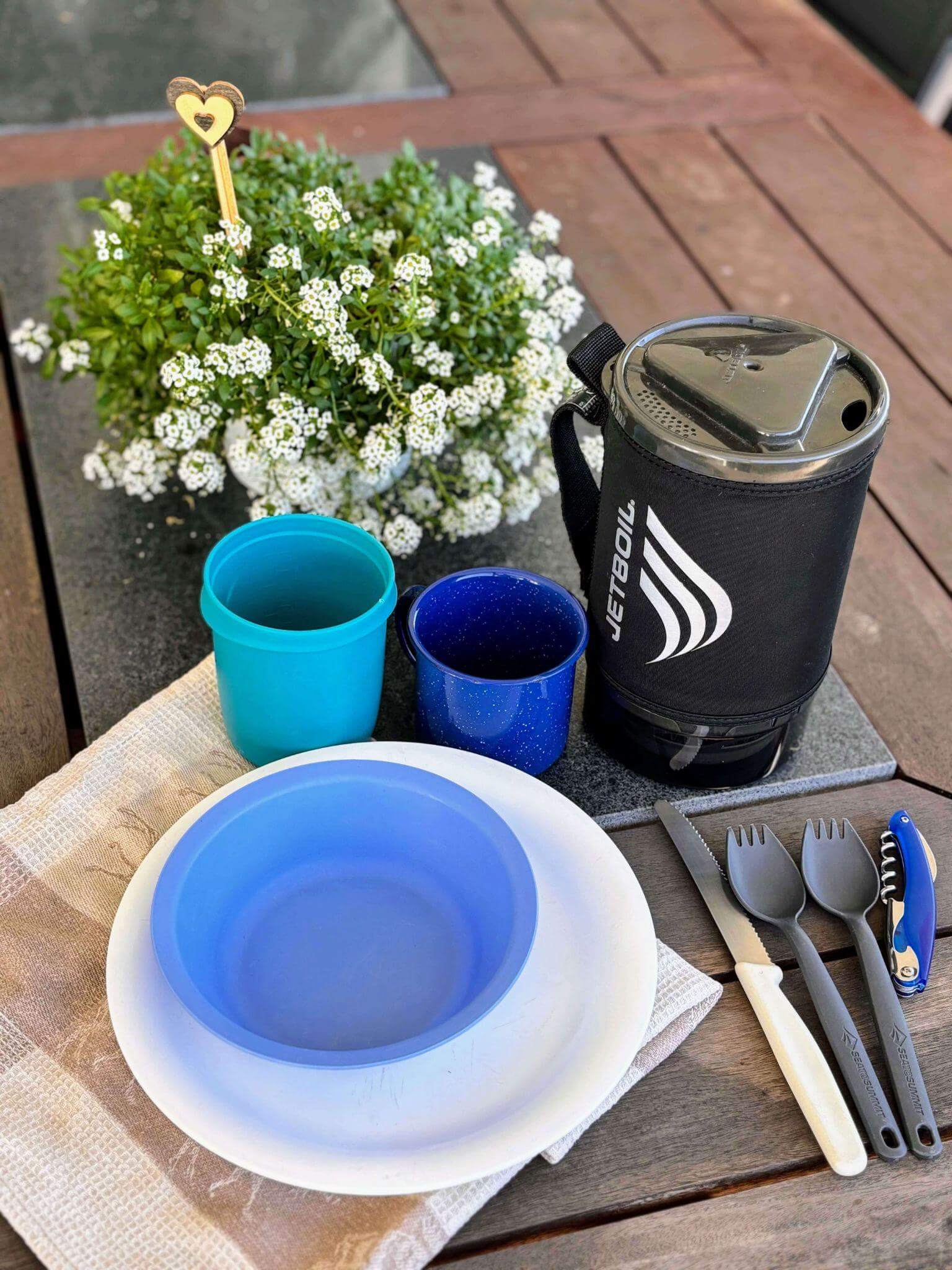
Keep your cutlery and plates lightweight and minimal
Advanced Multi-Day Hiking Food Tips
Portion Planning and Variety
Calculate your portions based on activity level and personal appetite, but err on the side of having slightly too much rather than too little. Running out of food on a multi-day hike isn’t just uncomfortable – it can be dangerous.
Plan for variety throughout your trip. Eating the same thing every day gets monotonous quickly, and food fatigue can actually impact your nutrition and energy levels. Rotate your flavours and textures to keep meals interesting.
Consider the order you’ll eat your food throughout the trip. Save the heaviest items for early in your hike when your pack is already at its heaviest. Plan lighter meals for the latter days when you’ll likely be more tired.
Weather and Season Considerations
Your multi-day hiking food strategy should adapt to conditions. Hot weather calls for foods that won’t spoil or melt, while cold conditions might require more warming, calorie-dense options. Summer hiking allows for more variety, while winter conditions demand foods that won’t freeze solid.
Think about cooking conditions too. Windy environments make using small camp stoves challenging, while rain means you’ll want meals that require minimal prep time outside your shelter.
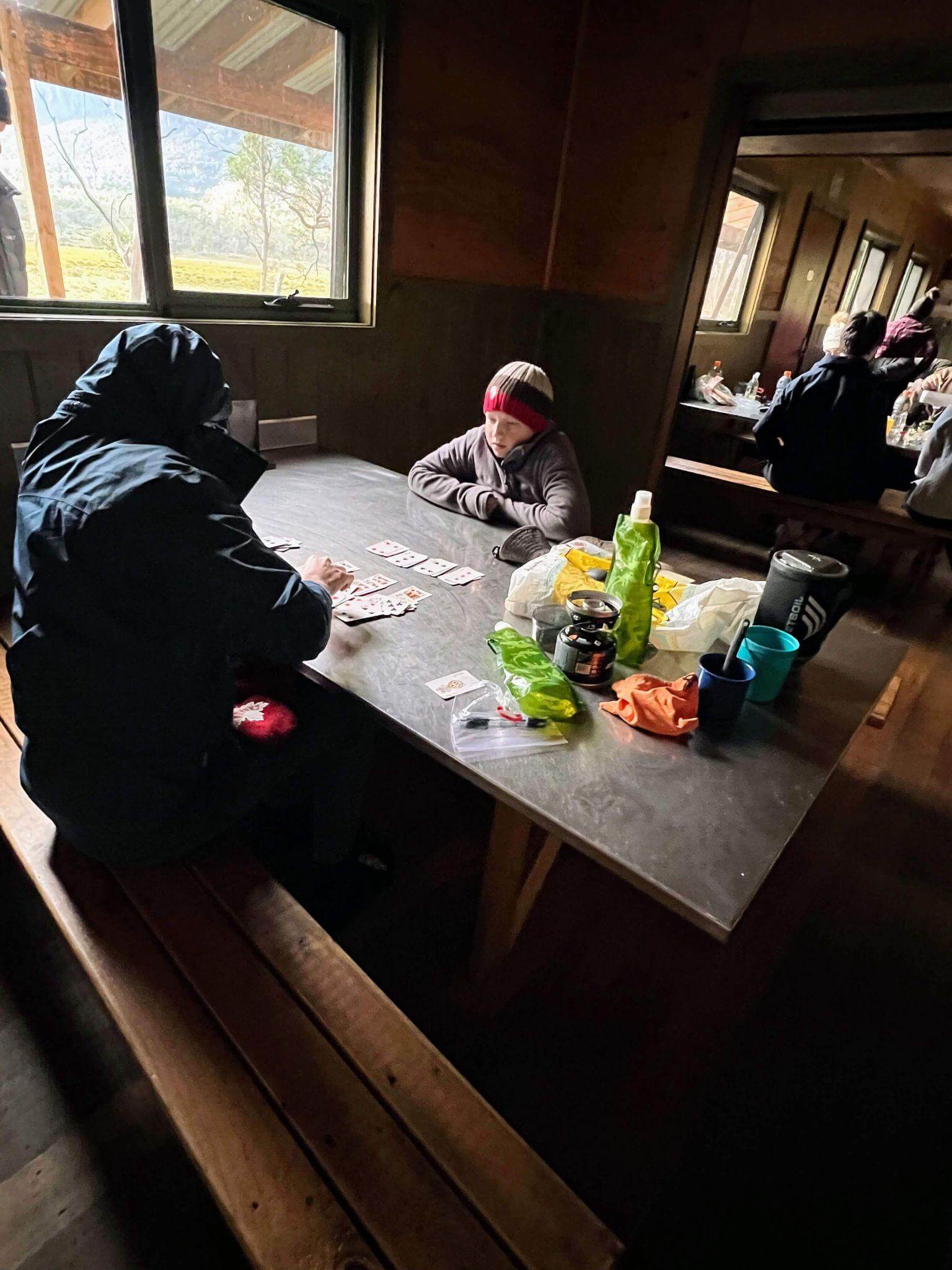
Choose easy, delicious meals so you can spend more time relaxing and less time cooking after a long day’s walk.
Making Multi-Day Hiking Food Enjoyable
The best multi-day hiking food strategy combines practical nutrition with genuine enjoyment. Yes, you’re carrying everything on your back, and yes, weight matters. But don’t sacrifice all pleasure for a few saved ounces.
Include at least one “luxury” item per day – maybe it’s your favourite chocolate bar, a special tea blend, or a particularly delicious dehydrated dessert (yes, these exist!). These small indulgences can provide outsized morale benefits when the trail gets challenging.
Remember, sharing food is one of the great joys of group hiking. Plan for communal snacks and consider meals that can be shared. There’s something special about passing around trail mix while taking in a spectacular mountain view, or sharing a hot drink while watching the sunrise from your campsite.
Your multi-day hiking food is fuel for adventure, comfort during challenging moments, and a source of simple pleasure in beautiful places. Plan thoughtfully, pack efficiently, and prepare to discover that even simple trail meals can create some of your most memorable outdoor experiences.
The wilderness is waiting, and now you’re ready to explore it well-fed, well-fuelled, and ready for whatever adventures lie ahead.
Planning your next adventure? Check out our other guides
Need help packing? See our essential packing list.
First time walker? Check out our guide for your first multi-day walk.
Walking with kids? Check out our guide here.
Happy hiking!