Your First Multi-Day Walk: Complete Planning Guide
There’s something magical about walking into the wilderness with everything you need on your back, knowing you won’t return to civilisation for days. The freedom, the connection with nature, and that incredible sense of accomplishment when you complete your first multi-day walk – it’s an experience that transforms ordinary hikers into lifelong adventurers. If you’re reading this, chances are you’ve caught the hiking bug from your day walks and are ready to take the next step. Maybe you’ve been dreaming of those iconic trail photos, or perhaps a friend has been raving about their recent multi-day adventure. Whatever brought you here, you’re in for an incredible journey. Planning your first multi-day walk might feel overwhelming – there are so many decisions to make and gear to consider. But don’t worry, we’ve got you covered. This complete guide will walk you through everything you need to know to plan, prepare for, and successfully complete your first multi-day hiking adventure.
Understanding Your Hiking Capacity
Before you start dreaming about conquering epic trails, it’s crucial to honestly assess your current hiking fitness and experience. This isn’t about limiting your dreams – it’s about setting yourself up for success and safety.Assessing Your Daily Walking Distance
Start by reflecting on your recent day hikes. How far have you comfortably walked in a single day? What was the terrain like? Did you finish feeling energized or completely drained? For multi-day hiking, you’ll generally want to plan daily distances that are 70-80% of your maximum comfortable day-hike distance, as you’ll be carrying more weight and dealing with cumulative fatigue. Most first-time multi-day hikers find their sweet spot between 10-15 kilometers per day, depending on terrain difficulty. Flat, well-maintained trails allow for longer distances, while steep, rocky, or technical terrain significantly reduces comfortable daily distances. Remember, it’s not a race – you want to arrive at each day’s destination with enough energy to set up camp, eat dinner, and actually enjoy the experience. Consider elevation gain as well. A good rule of thumb is that every 100 meters of elevation gain adds roughly the equivalent of an extra kilometre to your perceived distance. So a 12-kilometre hike with 800 meters of elevation gain will feel more like a 20-kilometre flat walk.Pack Weight: The Great Decision
One of the biggest decisions you’ll face is whether to carry a full pack (12-15kg) with all your camping gear, or opt for a lighter day pack and stay in huts or lodges. Each option offers distinct advantages and challenges. Full Pack Adventure (12-15kg) Carrying everything you need creates the ultimate sense of self-sufficiency. You can camp in beautiful, remote locations that hut-based hikers never see. You have complete flexibility in your timing and aren’t bound by accommodation bookings. However, the extra weight significantly impacts your daily distance and requires more physical preparation. Hut-to-Hut Hiking With just a day pack containing lunch, water, and safety essentials, you can cover greater distances and focus more on the scenery than your aching shoulders. Many established multi-day routes offer excellent hut or lodge accommodation with beds, cooking facilities, and sometimes even hot showers. The downside is higher costs, advance booking requirements, and less flexibility in your schedule. For your first multi-day walk, there’s no shame in choosing the hut option. It allows you to experience the joy of multi-day hiking without the additional challenge of carrying camping gear. You can always graduate to full pack adventures once you’ve built confidence and experience.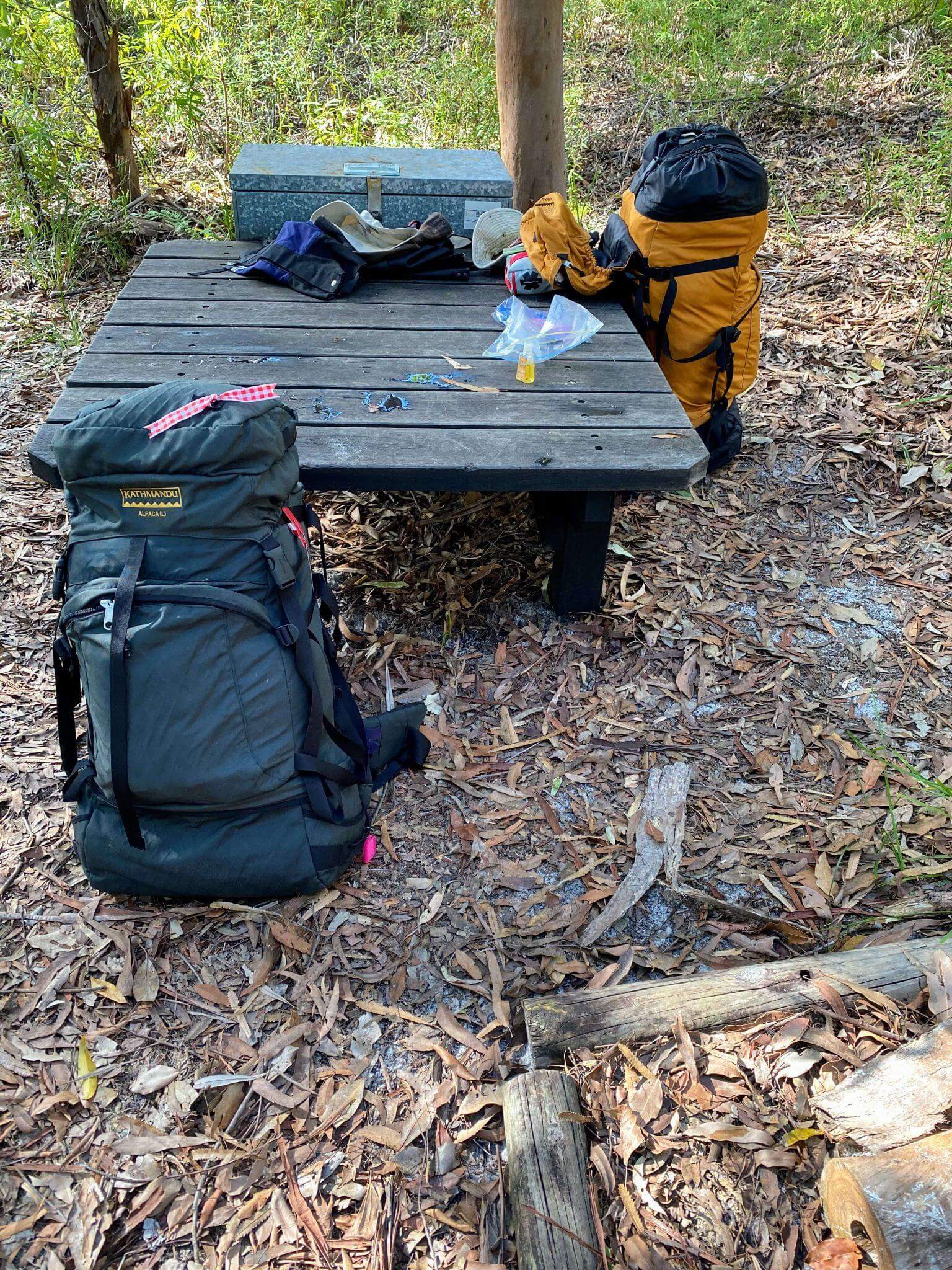
Accommodation: Camping vs. Comfort
Your accommodation choice shapes every aspect of your multi-day walk, from pack weight to daily flexibility. Let’s explore both options in detail.Embracing the Camping Experience
Camping opens up a world of possibilities. You can choose routes through pristine wilderness areas where no huts exist, enjoy stunning sunrise views from your tent door, and experience the profound quiet of sleeping under the stars. Camping also teaches valuable self-reliance skills and often creates the most memorable adventure stories. However, camping requires carrying significantly more gear – tent, sleeping bag, cooking equipment, and more food. Weather becomes a bigger factor when your shelter is a thin wall of fabric. You’ll also need to be comfortable with basic outdoor living skills like setting up camp in various conditions and cooking on a portable stove.The Hut and Lodge Option
Many popular multi-day routes feature well-maintained huts or comfortable lodges spaced a day’s walk apart. These provide beds (though you’ll usually need your own sleeping bag), cooking facilities, and protection from weather. Some even offer meals, hot showers, and laundry facilities. Hut accommodation allows you to focus purely on the walking experience without worrying about weather protection or carrying camping gear. It’s particularly appealing during shoulder seasons when weather can be unpredictable, or in regions known for sudden weather changes. The trade-off is reduced flexibility – you must reach specific locations each day and often need to book well in advance. Popular routes like Tasmania’s Three Capes Track or Cradle Mountain-Lake St Clair Walk have limited spaces and book out months ahead.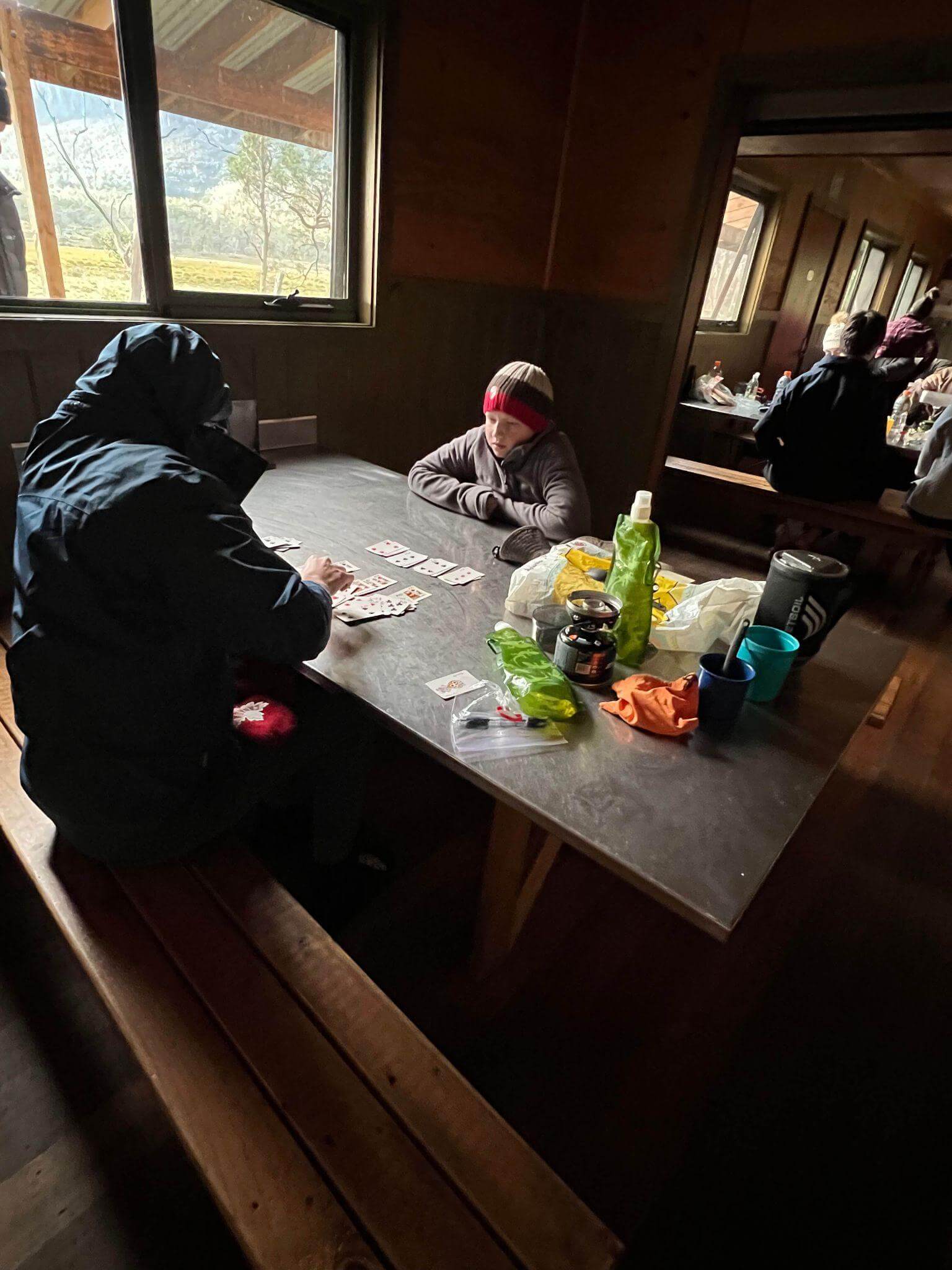
Physical and Mental Preparation
Success in multi-day hiking isn’t just about fitness – though that’s certainly important. Mental preparation and proper training are equally crucial for an enjoyable experience.Building Your Hiking Fitness
Start your training at least 6-8 weeks before your planned walk. Focus on building endurance rather than speed, as multi-day hiking is all about sustainable effort over long periods. Gradually increase your weekly hiking distance, and try to get out for at least one longer walk each week. Practice hiking with a loaded pack, especially if you’re planning to camp. Start with about half your expected pack weight and gradually increase it as your strength builds. This helps condition your shoulders, back, and legs for the additional load while identifying any gear adjustments needed for comfort. Don’t neglect strength training, particularly for your core and legs. Strong abdominal and back muscles help maintain good posture under pack weight, reducing fatigue and preventing injury. Squats, lunges, and step-ups are particularly beneficial for hiking-specific strength.Mental Preparation Strategies
Multi-day hiking tests mental resilience as much as physical fitness. You’ll face challenges like unexpected weather, equipment issues, or moments when your motivation wavers. Mental preparation helps you push through these inevitable tough moments. Visualise potential challenges and how you’ll respond to them. What will you do if it starts raining heavily? How will you motivate yourself during a particularly difficult climb? Having mental strategies prepared helps you stay positive when things don’t go according to plan. Practice mindfulness during your training hikes. Learn to find joy in the simple act of walking, the changing light throughout the day, or the sound of your footsteps on different terrain. This mindful approach transforms challenging moments into opportunities for personal growth.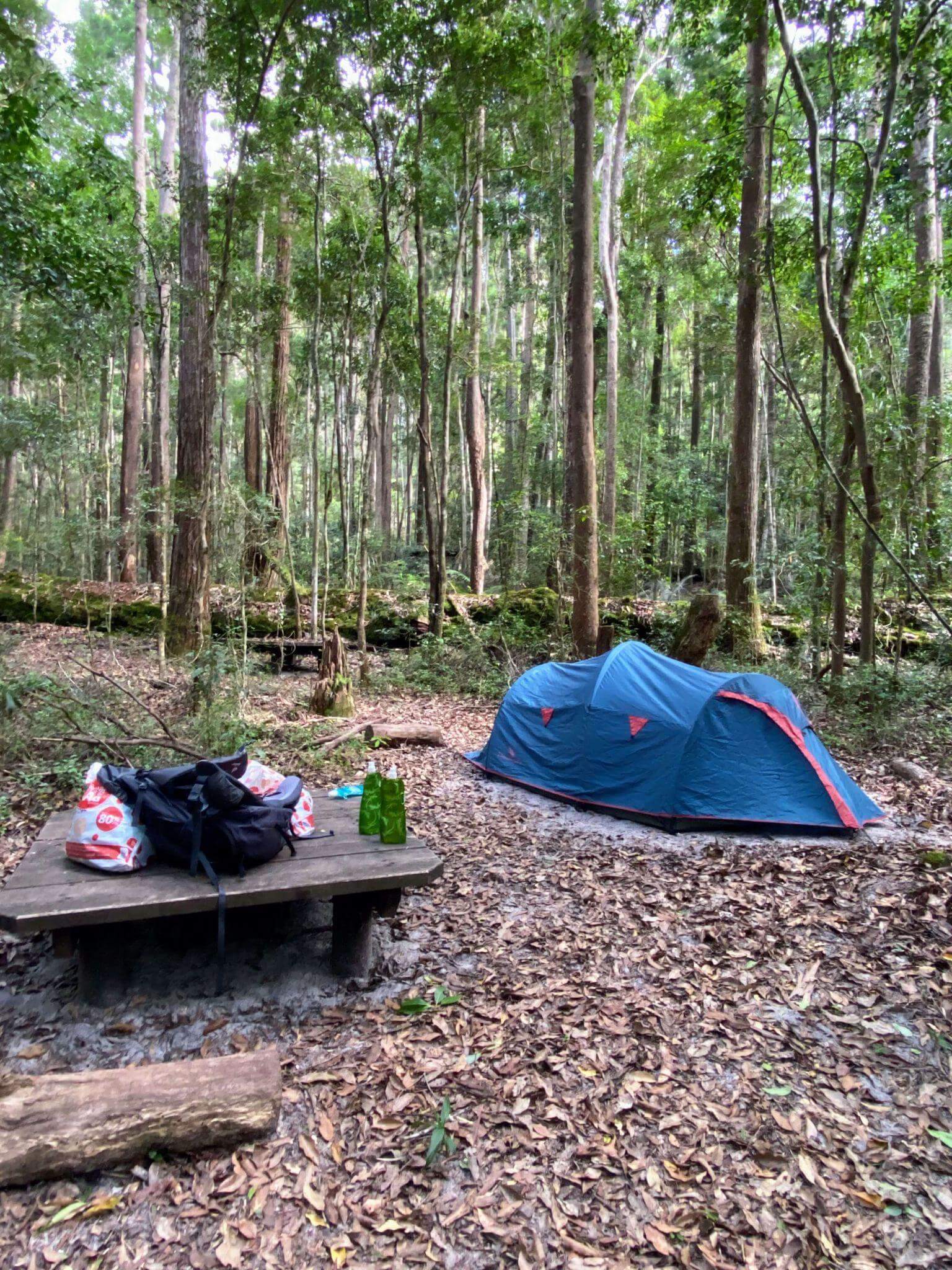
Gear Selection: Light is Right
Choosing the right gear can make the difference between a magical experience and a miserable slog. The key principle is simple: every gram counts when you’re carrying everything on your back for days.The Lightweight Philosophy
Start with our comprehensive hiking packing list as your foundation, then ruthlessly evaluate each item. Do you really need that second pair of pants, or can you hand-wash your hiking pants each evening? Can you survive with one lightweight fleece instead of two different jackets? Choose lightweight alternatives wherever possible. Plastic bowls and cutlery instead of metal save significant weight. A lightweight down jacket provides better warmth-to-weight ratio than synthetic alternatives. Consider whether you need a full-size towel or if a lightweight pack towel will suffice.Essential vs. Luxury Items
Create two lists: absolute essentials and nice-to-have items. Essentials include safety equipment (first aid kit, navigation tools, emergency shelter), weather protection, adequate food and water, and sleeping gear if camping. Everything else is negotiable based on your pack weight budget. Some items occupy a gray area between essential and luxury. A camp pillow might seem unnecessary until you’re trying to sleep on a thin inflatable mat with a stuff sack under your head. A lightweight camp chair might be the difference between enjoying your evening rest stops and being constantly uncomfortable. For detailed gear recommendations, check out our comprehensive hiking packing list which covers everything from base layers to emergency equipment, with specific weight-saving tips for multi-day adventures.
Food Planning: Fuel for the Journey
Food planning for multi-day walks requires balancing nutrition, weight, taste, and preparation simplicity. You’ll need enough calories to fuel your daily hiking, but every gram of food adds to your pack weight.Lightweight Nutrition Strategies
Focus on calorie-dense foods that pack small and light. Nuts, dried fruits, and energy bars provide excellent energy-to-weight ratios. Dehydrated meals have improved dramatically in recent years – many taste surprisingly good and require only boiling water for preparation. And I’ve found that everything tastes good when you’re hungry after a long day’s walk. For detailed meal planning ideas, cooking techniques, and specific food recommendations, check out our comprehensive hiking food blog post which covers everything from breakfast options to lightweight cooking equipment.Water Planning
Water is heavy – one litre weighs one kilogram – but it’s absolutely essential. Plan your water sources carefully, carrying enough to reach the next reliable source with a safety margin. Don’t skimp. Water purification tablets or a lightweight filter allow you to safely drink from natural sources, reducing the need to carry excessive amounts. In areas with questionable water quality, boiling water for one minute provides effective purification. Many lightweight camping stoves can boil water quickly, making this a practical option for regular water treatment.
Staying Clean in the Wilderness
Maintaining hygiene during multi-day walks isn’t just about comfort – it’s about health and environmental responsibility. With no showers available, you’ll need creative solutions.Water-Based Cleaning
When possible, plan routes that include campsites or rest stops near clean water sources like rivers or lakes. A quick rinse in cold mountain water is surprisingly refreshing after a long day of hiking. However, never use soap directly in water sources, even biodegradable soap can harm aquatic ecosystems. Instead, collect water in a container and wash at least 60 meters away from any water source. Use only biodegradable soap and minimal amounts. The diluted, soapy water can then be poured into soil where natural processes break it down safely.No-Water Cleaning Solutions
Pack plenty of wet wipes for daily cleaning – they’re invaluable for removing dirt, sweat, and bacteria when water isn’t available. Choose biodegradable options and pack them out with your rubbish. Hand sanitizer is essential for cleaning hands before eating, especially after using outdoor toilets. As an optional item, baby powder or dry shampoo can refresh hair and reduce oil buildup over several days. Deodorant helps maintain social harmony if you’re sharing huts with other hikers.The Fresh Clothes Strategy
If the thought of wearing the same hiking clothes for consecutive days makes you cringe, consider packing two sets of lightweight hiking clothes. Wash one set each evening and hang it to dry overnight or attach it to your pack to dry while walking the next day. Choose quick-dry fabrics that release moisture rapidly. Merino wool is particularly good as it naturally resists odor buildup, meaning you can wear it longer between washes. Synthetic fabrics dry faster but may retain odors more readily.
Route Planning and Logistics
Successful multi-day walks require careful attention to logistics that extend well beyond the trail itself. From getting to the trailhead to seasonal timing, proper planning prevents many common problems.Transportation Logistics
Consider how you’ll get to the trailhead and back from your endpoint. Many multi-day walks are point-to-point routes, meaning you finish at a different location from where you started. This might require leaving a car at the endpoint, arranging a pickup, or using public transport. Some areas offer shuttle services specifically for hikers, which can be more economical than leaving cars at both ends of the trail. Research these options early, as shuttle services may require advance booking, especially during peak hiking seasons.Seasonal Timing
The best time for multi-day hiking varies dramatically by location and route. Research historical weather patterns for your chosen area and plan accordingly. Spring might offer beautiful wildflowers but also muddy trails and unpredictable weather. Summer provides the most stable conditions but also the busiest trails and hottest temperatures. Winter multi-day hiking requires specialised skills and equipment – it’s generally not recommended for first-time multi-day hikers. Autumn often provides ideal conditions with cooler temperatures, fewer crowds, and spectacular fall colors, but weather can change rapidly as winter approaches.Reservations and Permits
Popular multi-day routes often require advance reservations or permits. Tasmania’s Three Capes Track and Cradle Mountain-Lake St Clair Walk are prime examples – they limit daily hiker numbers to protect the environment and ensure a quality experience for everyone. Research permit requirements as soon as you decide on a route. Some permits can be obtained months in advance, while others may be available only weeks ahead. Popular routes often book out entirely during peak seasons, so early planning is essential.
Planning Your Hiking Group
The people you walk with can make or break your multi-day hiking experience. Choose your companions thoughtfully and plan according to your group dynamics.Hiking with Children
Family multi-day hikes create incredible bonding experiences and lifelong memories. However, hiking with children requires special consideration and preparation. Children’s hiking capacity varies enormously with age, fitness, and motivation. Consider joining forces with another family or a larger group when hiking with children. You’ll be amazed how much further children can walk with minimal complaints when they have friends along. The social dynamic transforms what might be a challenging trudge into an adventure game. For comprehensive strategies on making family hikes successful, including motivation techniques and child-specific gear recommendations, check out my dedicated family hiking tips blog post.Adult Group Dynamics
When planning with adult friends, discuss expectations clearly before committing to the trip. Are you looking for a challenging physical test or a relaxed nature experience? Do you prefer early starts and long days, or leisurely mornings and shorter hiking days? Mismatched expectations can create tension during the walk. Consider experience levels within your group. The group can only move as fast as its slowest member, and that’s perfectly fine as long as everyone understands and accepts this from the beginning. Sometimes splitting into smaller sub-groups works well, with faster hikers reaching camp first to set up communal areas.Solo Hiking Considerations
Solo multi-day hiking offers unique rewards – complete freedom to set your own pace, make spontaneous decisions, and experience profound solitude. However, it also requires additional safety precautions and self-reliance skills. If you’re considering solo hiking for your first multi-day walk, choose a well-established route with regular hut accommodation and other hikers around. This provides safety backup while still allowing for the solo experience.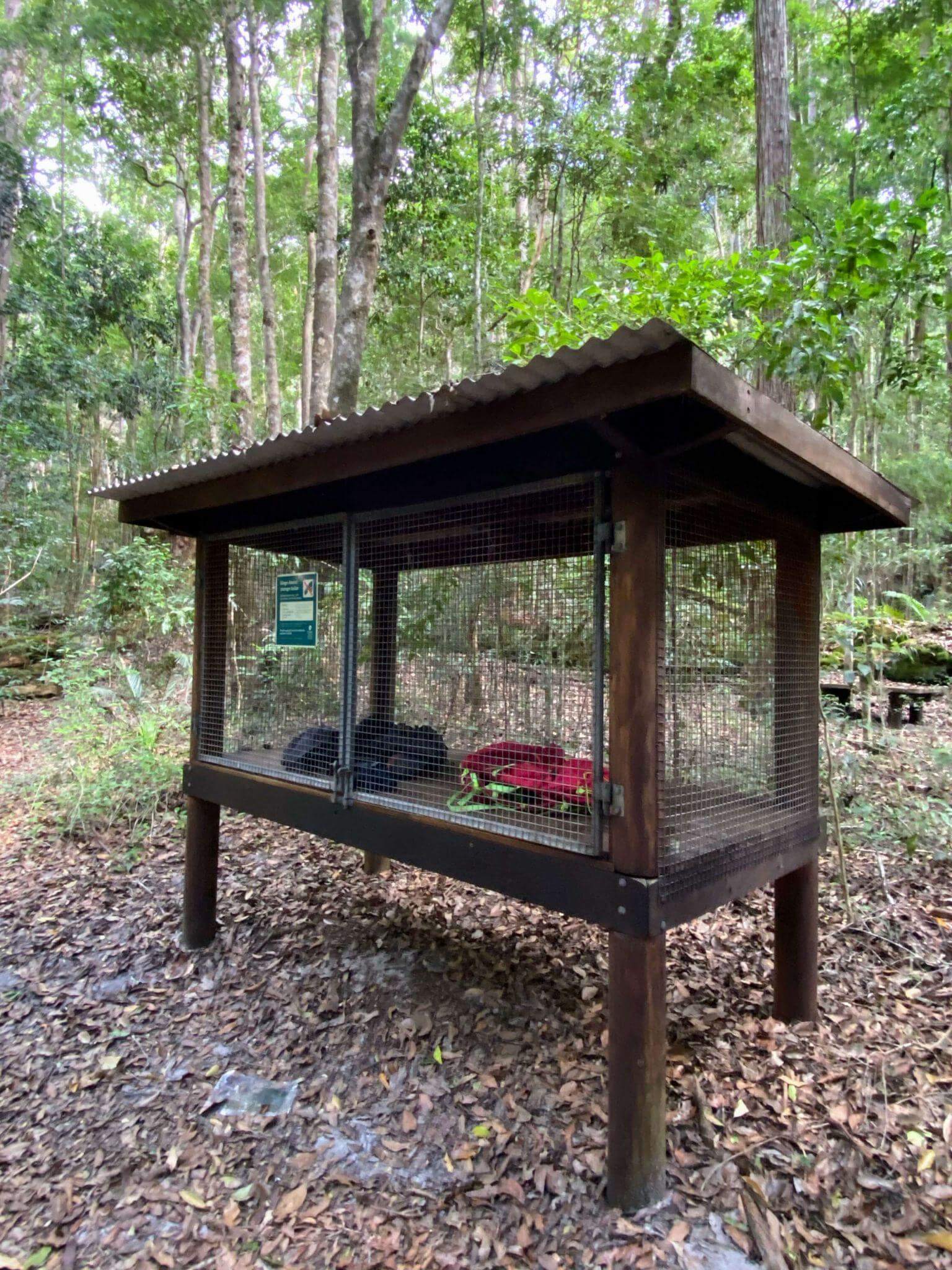
Safety in Remote Areas
Multi-day hiking often takes you into remote areas where help isn’t readily available. Proper safety planning isn’t about paranoia – it’s about responsible adventuring that allows you to handle problems confidently.Communication and Emergency Planning
Most multi-day hiking areas have limited or no cell phone coverage. While satellite-to-mobile technology is gradually improving coverage in remote areas, don’t count on being able to call for help from anywhere on your route. Consider carrying an Emergency Position Indicating Radio Beacon (EPIRB) or Personal Locator Beacon (PLB) for true emergencies. These devices communicate with satellites and can summon rescue services from anywhere on Earth. They’re particularly important for solo hikers or when visiting very remote areas.First Aid Preparedness
Pack a comprehensive first aid kit appropriate for your group size and hiking duration. Include supplies for treating blisters (very common on multi-day walks), pain relief medication, bandages for cuts and scrapes, and any personal medications. More importantly, make sure someone in your group knows how to use the first aid supplies. Basic first aid training is invaluable for outdoor adventures and provides confidence to handle minor injuries that might otherwise ruin a trip.Weather Awareness
Weather can change rapidly in mountain and wilderness areas. Check forecasts before departing and understand the signs of approaching weather changes. Know when to push on and when to wait out dangerous conditions. Pack appropriate gear for the worst reasonable weather you might encounter. This might mean carrying rain gear even when sunny conditions are forecast, or packing warmer layers than current temperatures suggest necessary.Wildlife Awareness and Protection
Different regions present unique wildlife challenges that require specific preparation and awareness. Seeing nature in action only adds to the adventure, don’t let it deter you – just be prepared. In bear country, proper food storage is essential – use canisters or hang food well away from your campsite. Make noise while hiking to avoid surprising large mammals, and know how to respond if you encounter one. Carry bear spray in easily accessible locations and understand how to use it effectively. In New Zealand, sandflies can make camping miserable without proper protection – pack a good insect repellent containing DEET, consider a head net for particularly buggy areas, and choose campsites in breezy locations where possible as sandflies are less active in wind. Australian hikers need snake awareness, particularly during warmer months when snakes are most active. Wear long pants and closed shoes, make noise when walking through thick vegetation, carry a compression bandage for snake bite first aid, and know the basic principles of snake bite treatment. Research the specific wildlife challenges of your chosen hiking area and prepare accordingly – local rangers and hiking organisations are excellent sources for region-specific wildlife safety advice.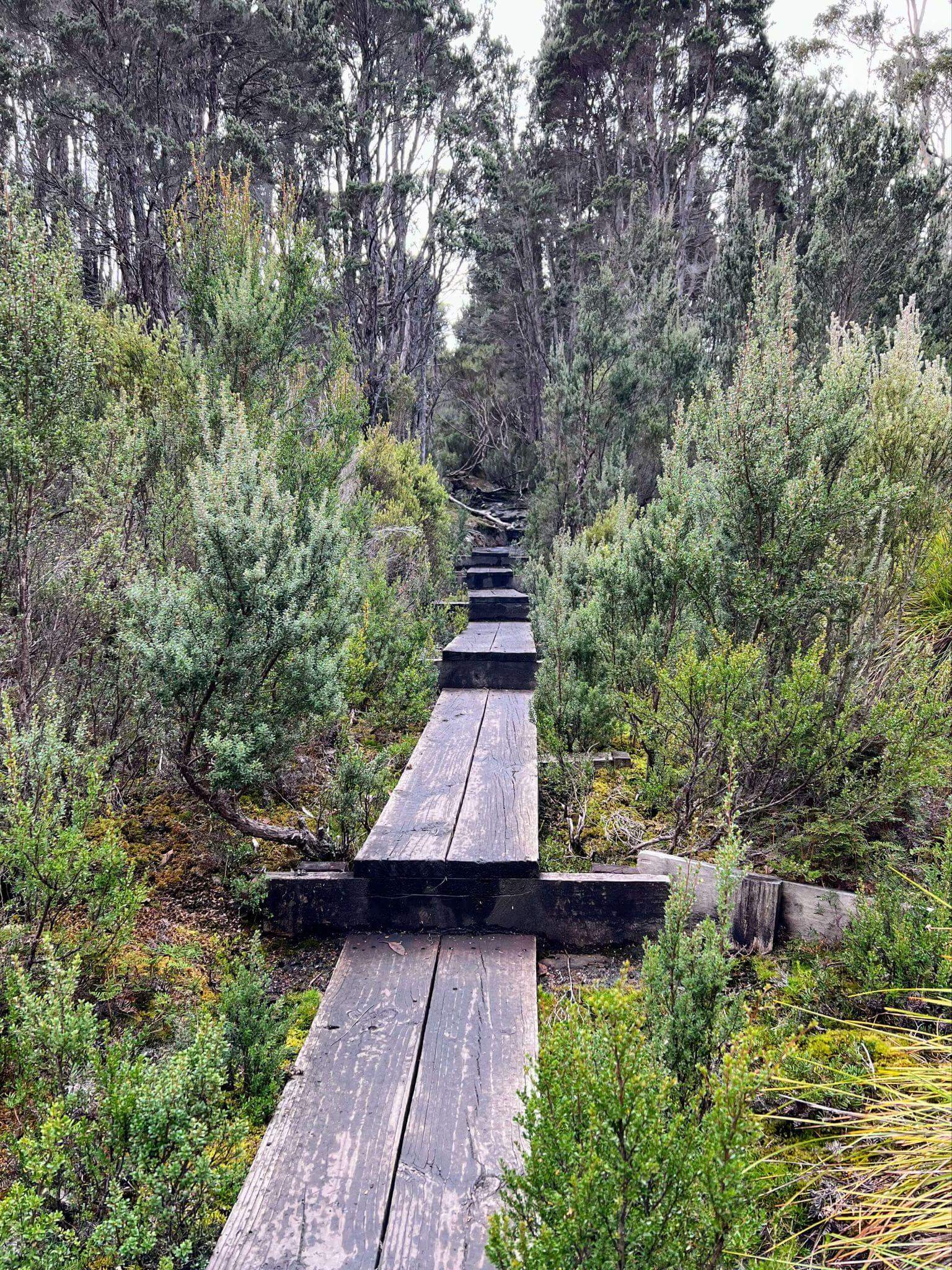
Essential Packing Lists
Your packing list will vary based on whether you’re camping or staying in huts, the season, and your personal preferences. However, certain items are essential for any multi-day walk.Safety and Navigation Essentials
Never compromise on safety equipment. Pack a first aid kit sized for your group and trip duration. Include an EPIRB or PLB for remote areas. Carry reliable navigation tools – GPS device or smartphone with offline maps, plus traditional map and compass as backup. A headlamp with extra batteries is essential for early morning starts, late arrivals, or unexpected delays. Pack emergency shelter (space blanket or emergency bivvy) even if you’re staying in huts – weather or injury might force an unplanned night out.Clothing Systems
Pack clothing in layers that can be mixed and matched for different conditions. Base layers should wick moisture away from skin. Insulation layers (fleece or down jacket) provide warmth. Outer shell layers protect from wind and rain. Avoid cotton clothing which retains moisture and loses insulation value when wet. Choose merino wool or synthetic fabrics that maintain warmth even when damp and dry quickly.Camping Gear (If Required)
For camping adventures, your tent, sleeping bag, and sleeping mat form your core shelter system. Choose a tent appropriate for expected conditions and group size. Your sleeping bag should be rated for the coldest temperatures you might encounter. A sleeping mat isn’t just for comfort – it’s crucial for insulation from cold ground. Consider the trade-off between weight and comfort when choosing between different mat types.Hut Accommodation Essentials
Even when staying in huts, you’ll typically need your own sleeping bag and often a pillow or pillow case. Pack cooking equipment unless meals are provided – a lightweight camping stove, pot, and basic utensils handle most meal preparation needs. Check what facilities are available at each hut along your route. Some provide cooking gas, others require you to bring your own. Some have mattresses, others just bed frames.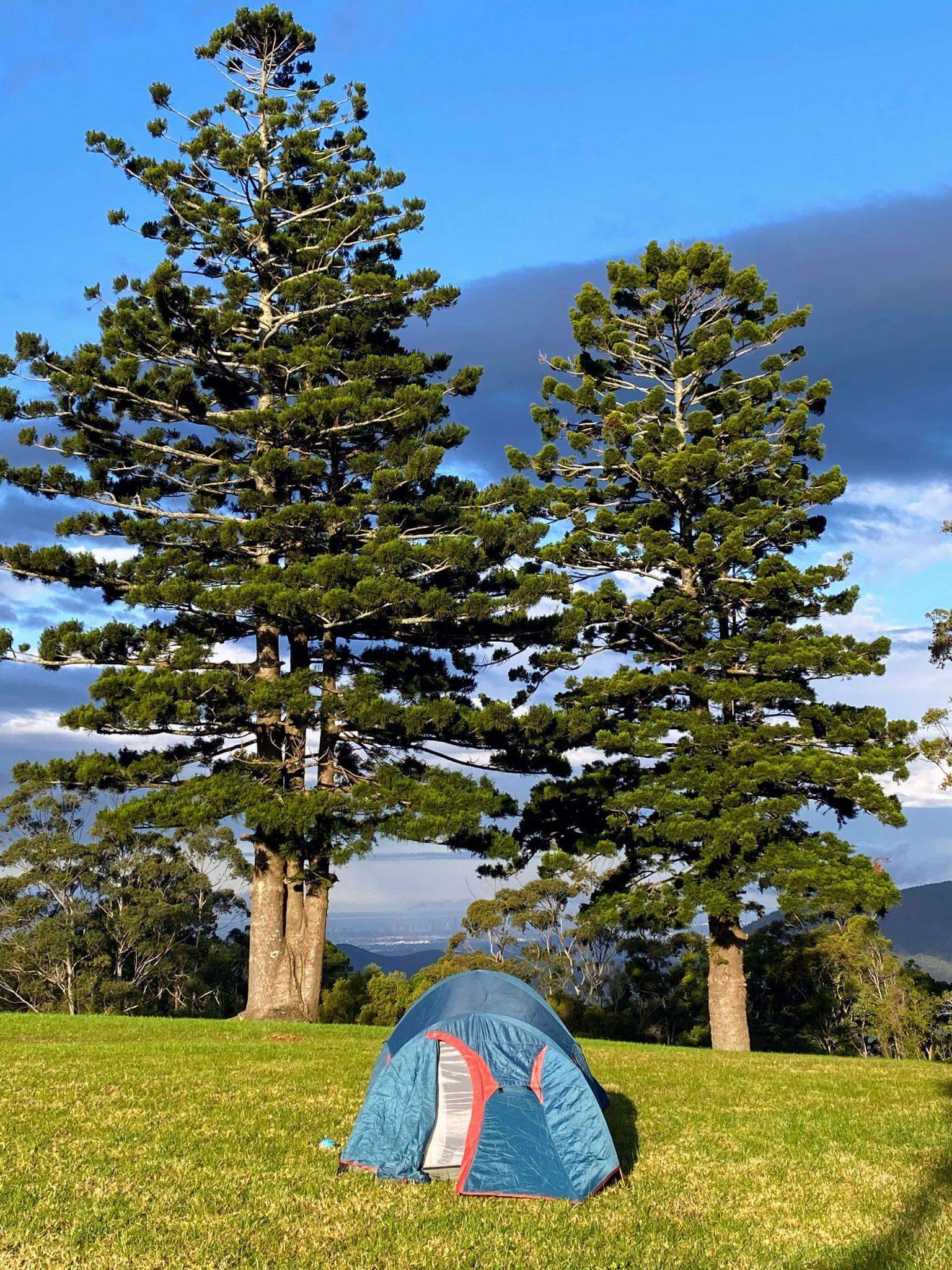
Starting Small: Your First Multi-Day Adventure
For your first multi-day walk, choose something that feels challenging but achievable. Success builds confidence for future adventures, while an overly ambitious first attempt might discourage further exploration.Recommended First Multi-Day Walks
Look for established routes with good infrastructure – well-marked trails, reliable water sources, and accommodation options that match your comfort level. Two to three days is ideal for a first multi-day experience, allowing you to experience the rhythm of multi-day hiking without the commitment of longer adventures. Consider locations within reasonable travel distance from home. This reduces overall trip complexity and costs, allowing you to focus on the hiking experience itself rather than complicated travel arrangements.Building Confidence
Start each day with realistic expectations. Multi-day hiking has a different rhythm than day hiking – you’ll likely start earlier and finish later, with rest breaks throughout the day. Accept that some days will be harder than others, and that’s perfectly normal. Celebrate small victories along the way. Reaching each day’s destination, successfully cooking a meal on your camping stove, or simply completing your planned distance are all achievements worth acknowledging.
The Magic of Multi-Day Walking
Completing your first multi-day walk is a milestone achievement that opens doors to incredible adventures. There’s something transformative about carrying everything you need on your back and walking into the wilderness for days at a time.The Rhythm of Trail Life
Multi-day hiking creates its own natural rhythm that’s deeply satisfying. You wake with the sunrise, pack up camp or leave your hut, and start walking as the day begins. Lunch might be eaten beside a mountain stream, with afternoon bringing you to a spectacular viewpoint you’ve been anticipating all morning. Evening means reaching your destination with a sense of accomplishment, setting up camp or settling into a comfortable hut, preparing a well-earned meal, and falling asleep tired but content. This simple, purposeful routine strips away the complexities of modern life and connects you directly with the natural world.Personal Growth Through Challenge
Multi-day walks inevitably present challenges – steep climbs that test your determination, unexpected weather that requires adaptation, or moments when you question why you chose to carry such a heavy pack up this particular mountain. These challenges are opportunities for personal growth. Each obstacle overcome builds confidence and resilience. You discover capabilities you didn’t know you possessed and develop problem-solving skills that extend far beyond hiking. Many people find that multi-day hiking changes their perspective on what’s possible in other areas of life too.Connection with Nature and Self
Spending consecutive days in natural environments creates a deeper connection than any single day walk can provide. You begin to notice subtle changes in light throughout the day, become attuned to weather patterns, and develop an appreciation for the intricate ecosystems you’re walking through. The simplicity of trail life also provides space for reflection and introspection that’s rare in our connected, busy world. With no emails to check or appointments to keep, your mind has freedom to wander, process, and appreciate the present moment.The Adventure Bug Awakens
Here’s what experienced multi-day hikers won’t tell you: completing your first multi-day walk is addictive. Before you’ve even returned home, you’ll probably be planning your next adventure. That mountain range you’ve always wondered about suddenly seems achievable. Those challenging long-distance trails that once seemed impossible now feel like exciting possibilities. Each completed walk builds skills, confidence, and desire for new challenges. What starts as a single multi-day adventure often evolves into a lifelong passion that takes you to incredible places and creates lasting memories.Building a Community
Multi-day hiking connects you with a community of like-minded adventurers. Whether you meet fellow hikers on the trail, join local hiking groups, or simply share stories with friends, you become part of a community that values challenge, natural beauty, and personal growth. This community provides support, inspiration, and companionship for future adventures. Some of the strongest friendships are forged during challenging days on the trail, where shared difficulties and triumphs create lasting bonds.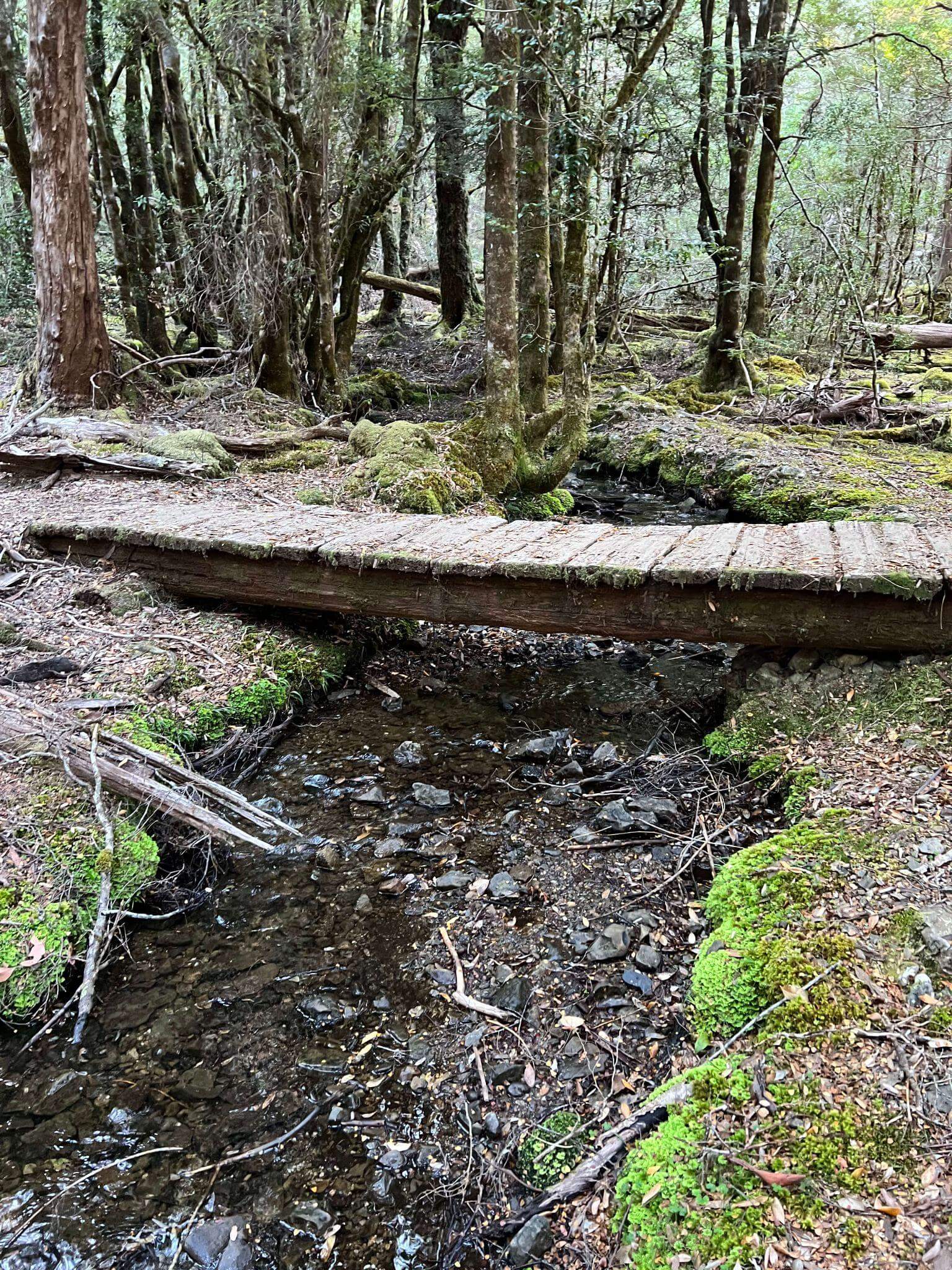
Your Next Steps Begin Here
Planning and completing your first multi-day walk might seem daunting, but remember that every experienced hiker once stood exactly where you are now. The key is to start with realistic expectations, prepare thoroughly, and choose an adventure that excites rather than intimidates you. Take time to properly plan your route, gather appropriate gear, and build your fitness gradually. Most importantly, choose companions who share your enthusiasm for adventure and natural exploration. Your first multi-day walk will be a learning experience filled with small challenges and major rewards. Embrace both the difficulties and the triumphs – they’re all part of the adventure that awaits you. The wilderness is calling, and your first multi-day walking adventure is ready to begin. The Merry Rambler will be here to guide you every step of the way, from initial planning through to celebrating your triumphant return. The trail awaits – it’s time to take that first step into your next great adventure, your first multi-day walk.Planning your next adventure? Check out our other guides
Need help packing? See our essential packing list.
Hiking with kids? Check out our top tips here.
Need help with your hiking menu? Check out our guide here.
Happy hiking!