
Conquering Tasmania’s Overland Track: A 4-Day Journey Through Ancient Wilderness
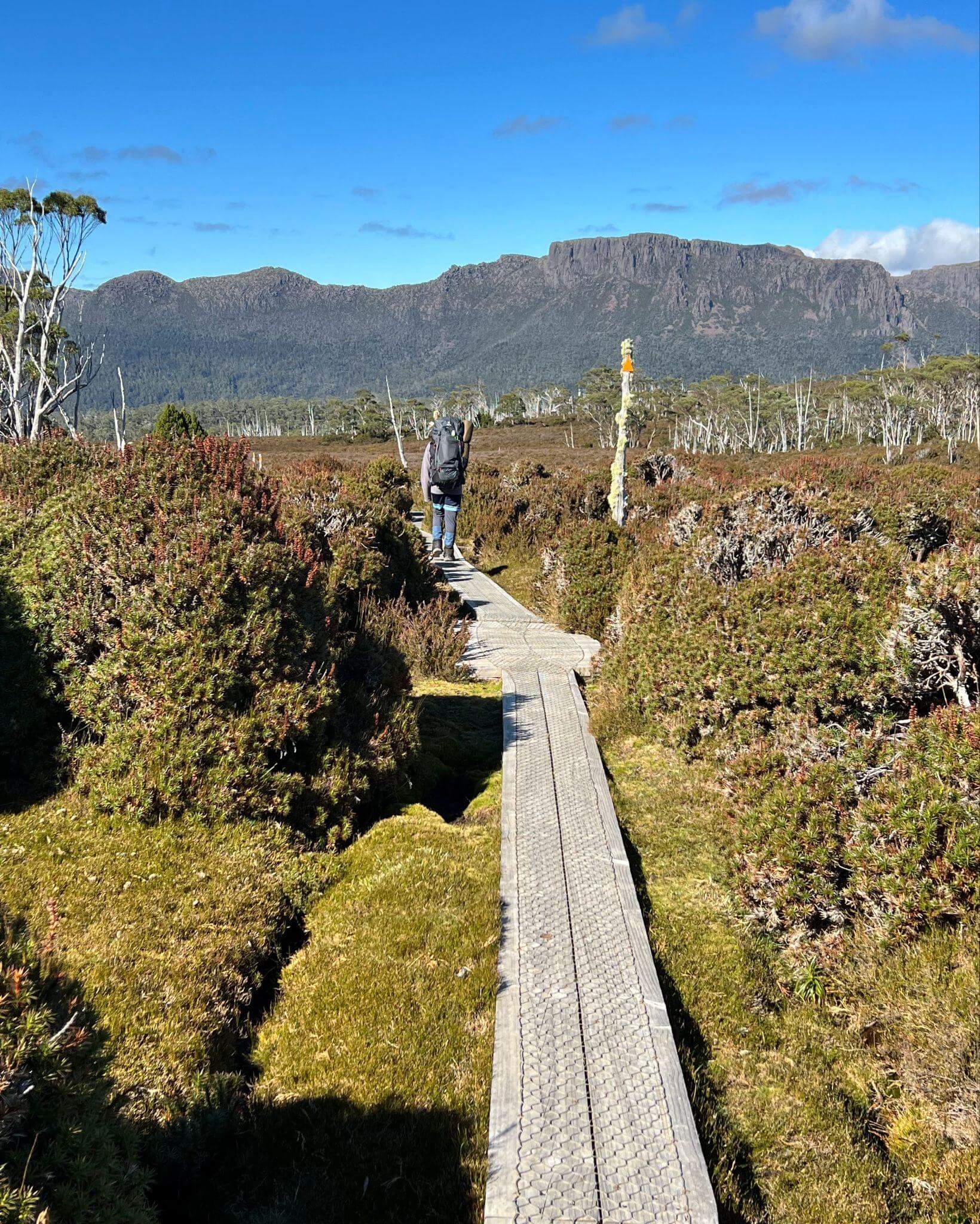
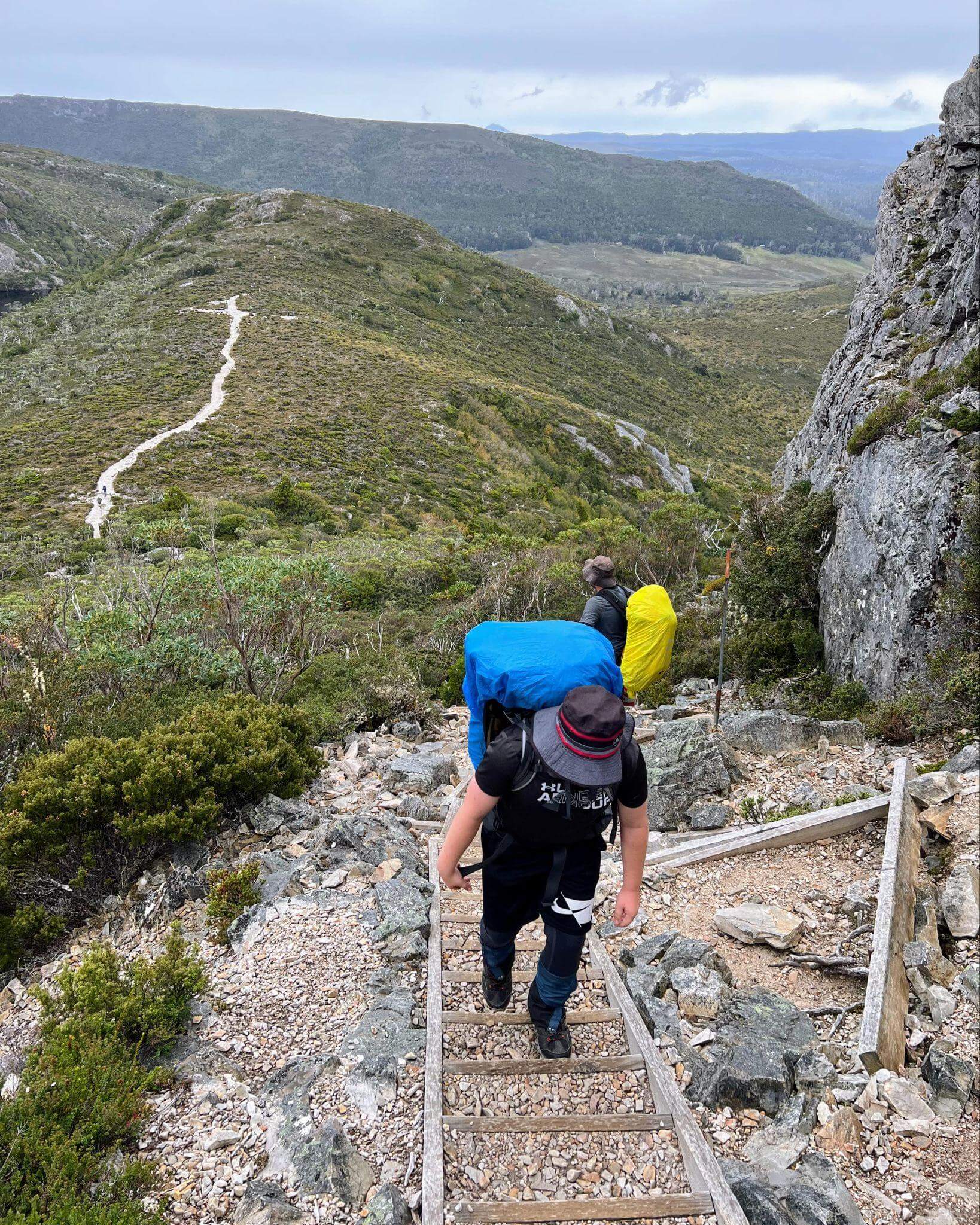
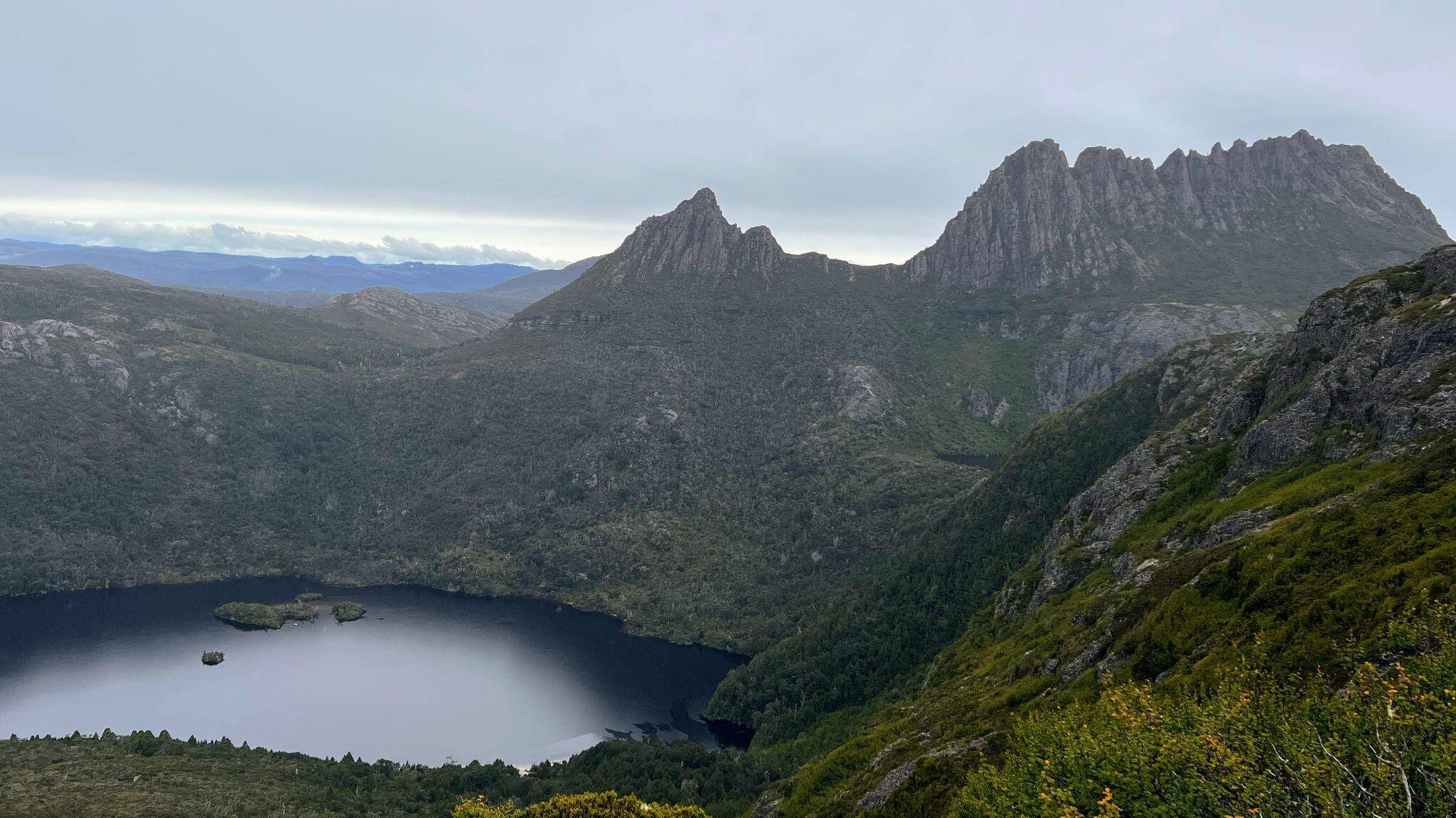
The initial excitement of commencing the Overland Track is palpable. There’s a quiet confidence that we’ll be able to carry our 15kg+ packs the distance as we cover easy metres on the initial boardwalk. However, this spark quickly fades as we face the initial climb up to Cradle Mountain. It’s steep rather than long, with ropes to assist the climb up the final rocks. However, once the initial climb is completed and you’re on the plateau. You’ll see Dove Lake and the cradle valley on one side and the fortress of the Cradle Mountain peak on the other. All memories of the climb quickly fade away. This is the reason I do these multi-day walks – pure exhilaration.
This 4 day Overland Track itinerary shows you our journey and everything you need to expect on the track. It’s Australia’s most iconic track, and for good reason – it’s a truly epic adventure.
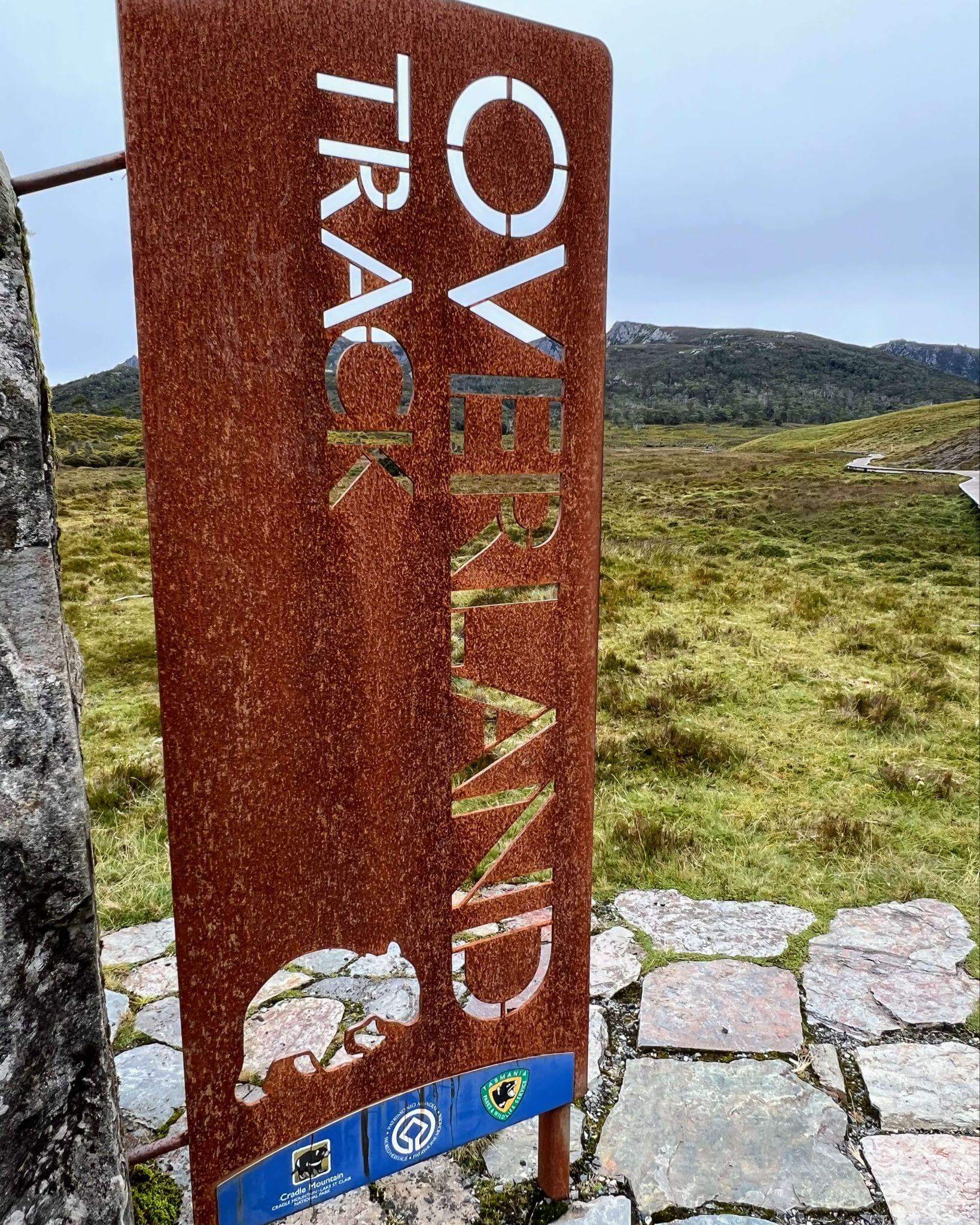
Choosing Your Adventure: Multiple Trail Options
One of the beauties of the Overland Track is its flexibility. Many hikers assume the Overland Track is a fixed six-day journey. The reality is that there are multiple huts strategically placed along the route, allowing you to choose how many days you want to walk based on your available time and fitness level. If you don’t want to do all of the side trips, you can cover the track in a shorter amount of time, like this 4 day Overland Track itinerary.
The classic six-day itinerary offers a leisurely pace with opportunities for side trips and photography. But experienced hikers with good fitness levels can complete the main track in four days. You will need to cover longer daily distances and consider skipping some of the optional detours. This four-day option still provides the full wilderness experience while accommodating those with limited time or who prefer covering more ground each day.
Physical Preparation: What Fitness Level You’ll Need
The 4 day Overland Track itinerary option demands a good level of fitness and the ability to handle longer daily distances. This isn’t a casual weekend stroll through the countryside. You’ll be carrying a 15-20kg pack for four consecutive days, covering distances of 16-20km daily over varied terrain that includes steep climbs, muddy sections, and rocky scrambles.
I recommend preparing for at least three months before your trip. Your training should include regular hiking with a weighted pack, ideally building up to carrying 18kg for 6-7 hours. Include stair climbing, hill walking, and exercises that strengthen your core and leg muscles. The four-day option requires greater endurance than the traditional six-day walk, so your preparation should reflect this increased daily demand.
The track’s elevation changes are significant. From 900m at Cradle Mountain to 1,100m at some plateau sections, then descending to 200m at Lake St Clair. Your cardiovascular fitness will be tested on the ascents. Your joints will work overtime during the longer days when carrying a heavy pack over uneven surfaces.
Day 1: Ronny Creek to Lake Windermere (20km, 5-7 hours)
The ambitious first day of the 4 day Overland Track itinerary combines what many hikers spread over two days, covering the initial climb to Cradle Mountain and continuing to Lake Windermere. The journey begins with that notorious climb, but once you’ve conquered it, you’ll have momentum to push through to one of the track’s most beautiful destinations.
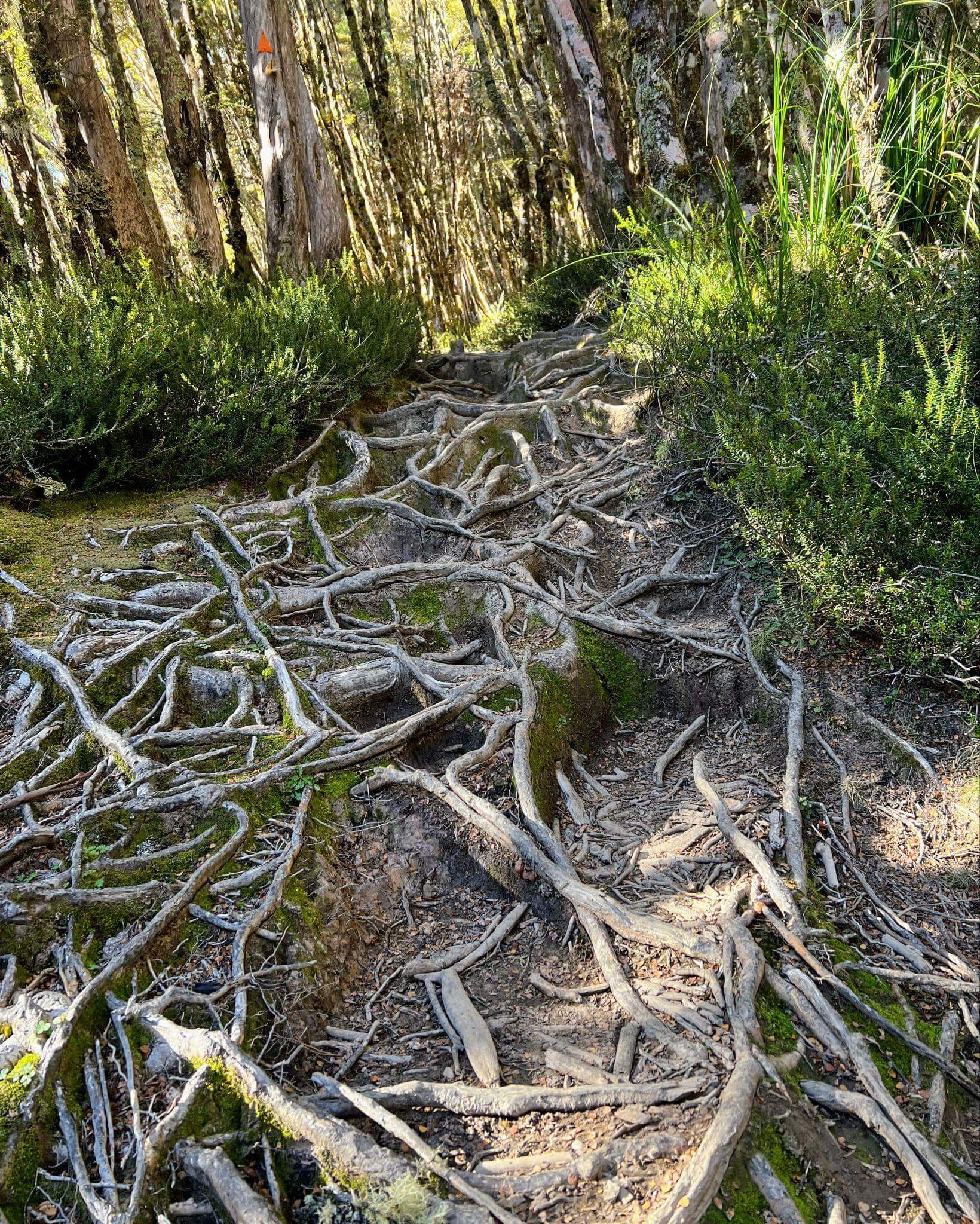
Starting from Ronny Creek, you’ll quickly encounter the track’s first major challenge. The vegetation starts to shift from the dense temperate rainforest at the base to the distinctive alpine moorlands. One minute you’re walking on well-maintained boardwalks over expansive button grass plains. The next you’re clambering through mud and over raised tree roots as the track weaves through ancient myrtle forests.
After conquering the initial climb and traversing the Cradle Mountain plateau, you’ll continue through varied terrain toward Lake Windermere. Lake Windermere itself is a stunning destination, surrounded by ancient forests and reflecting the surrounding peaks. The evening light on the lake creates magical photography opportunities.
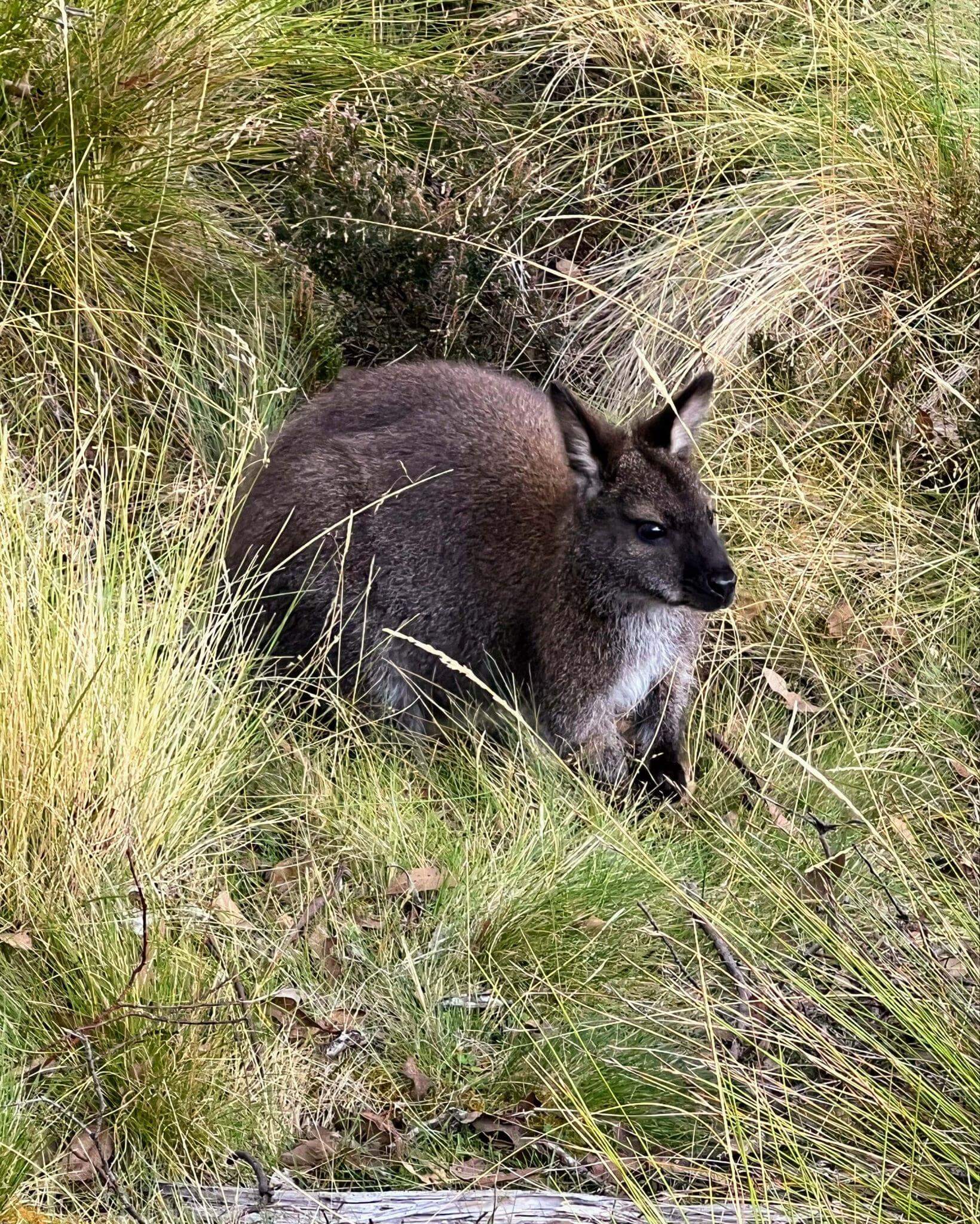
The extended distance means you’ll experience the full range of the track’s environments in a single day. From alpine peaks to pristine lakes. The longer first day also means arriving at the hut later in the afternoon. The wildlife encounters here can be remarkable, with wombats frequently grazing near the hut in the evening, seemingly oblivious to the human visitors.
Hut vs. camping
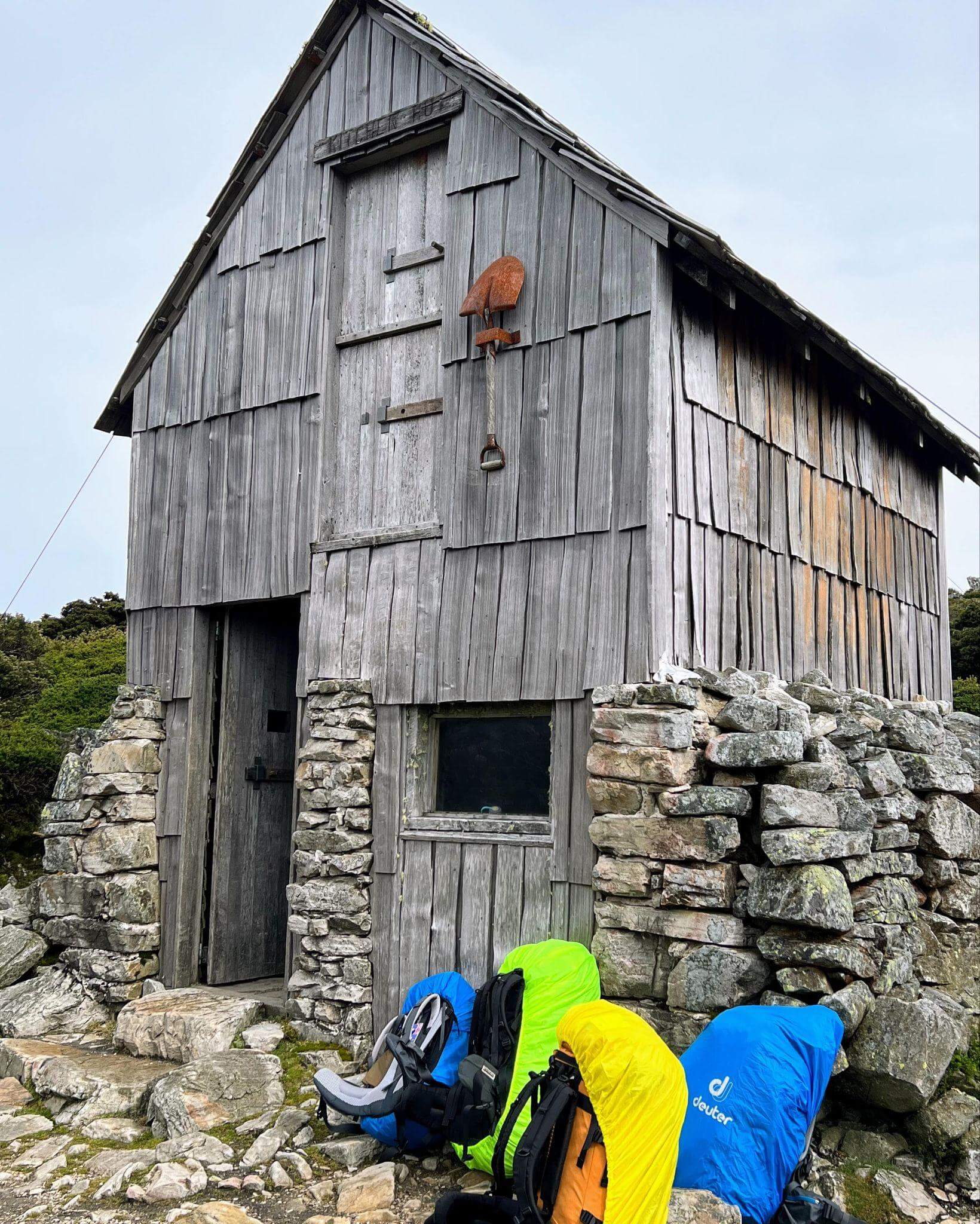
Depending on how busy the track is, there might not be enough space in the hut for everyone. So you must carry a tent. Whether you stay in the hut or camp is really up to you. Many people prefer to set up their tent on one of the dedicated platforms rather than gambling with potential snorers in the huts. But we had no issues sleeping inside the huts.
Either way, keep your options and expectations open. The hut sleeping palettes are on a first-come, first-served basis. The palettes are long wooden boards where you can line up your group’s sleeping mats side by side. Often there’s an upper and lower “bunk”. There’s plenty of room in the main communal area to set up your jetboil and prepare your meals. The camps are serviced by pit toilets and tank water – a water filter is an absolute must. Every can use the common spaces inside the hut whether you’re sleeping inside or not. They are a great place to socialise and meet your fellow hikers.
Day 2: Lake Windermere to Pelion (16km, 4-5 hours)
Day 2 of the 4 day Overland Track itinerary offers some respite from the previous day’s long distance while still covering substantial ground through some of the track’s most varied terrain. Overall, you’ll traverse through dense forests where ancient trees create a cathedral-like canopy, then emerge onto exposed moorlands where the wind carries the scent of button grass.
The boardwalks here serve a crucial purpose. They protect the fragile ecosystem while providing surprisingly comfortable walking after hours of navigating uneven forest floors. The ebb and flow between boardwalks and natural track continues. Make sure you keep your attention focused on each step but also raise your head to appreciate the changing landscape.
The approach to Pelion Hut involves crossing several creek systems, each with its own character. Some have sturdy bridges, others require careful rock hopping, and a few have been engineered with creative log crossings. The sound of running water becomes a constant companion. A refreshing change from the sometimes eerie silence of the button grass plains.
Pelion Hut sits in a clearing surrounded by towering eucalyptus trees. Their papery bark hanging in long strips that rustle in the evening breeze. The hut itself is one of the larger ones on the track, with ample space for cooking and socialising.
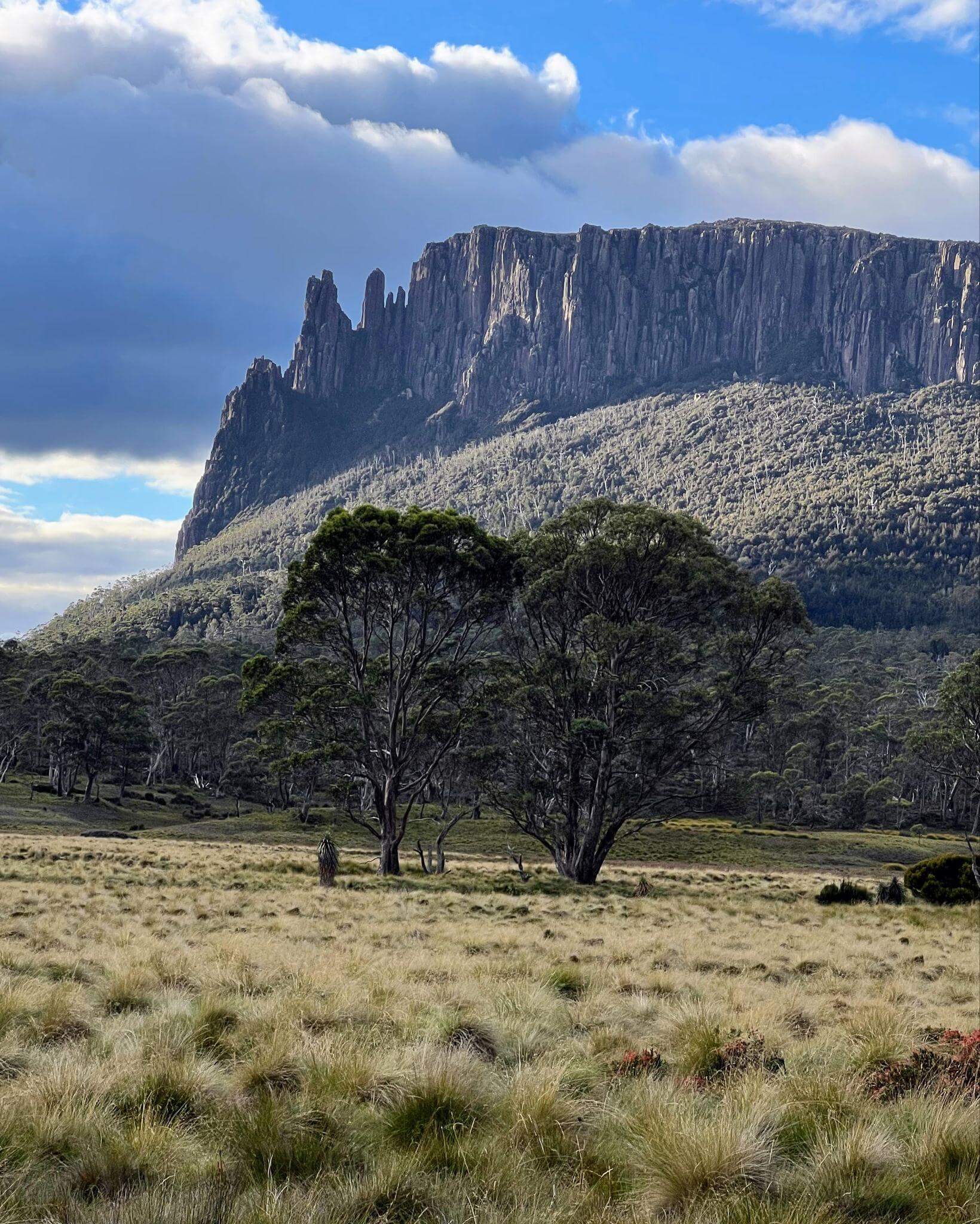
Day 3: Pelion to Windy Ridge (18km, 5-7 hours)
The third day presents one of the longest distances of the 4 day Overland Track itinerary but rewards with some of the most spectacular wilderness scenery in Australia. This section covers ground that many six-day hikers spread over two days, so an early start is essential to complete the distance comfortably.
The track continues to alternate between thoughtfully placed boardwalks and natural trail, with the contrast between environments continuing to surprise. From crossing crystal-clear streams on sturdy bridges to navigating the occasional boggy section where the boardwalk hasn’t quite conquered the terrain, every kilometre brings new challenges and rewards.
The track here weaves through some of the most ancient landscape in Tasmania. The cushion plants and alpine herbs you’ll see have been growing here for centuries, their slow growth rates adapted to the harsh conditions. Button grass tussocks can be several hundred years old. While some of the pencil pines you’ll encounter are over 1,000 years old.
This longer day tests your endurance and mental resilience. The pack that felt manageable on day one now requires conscious effort to carry comfortably. The extended distances mean managing your energy and water consumption becomes crucial. However, the pristine wilderness and sense of achievement from covering such distances through untouched landscape provides powerful motivation.
The name “Windy Ridge” becomes apparent as you approach the hut. Arriving here after the day’s long journey provides a profound sense of accomplishment and connection with the wilderness.
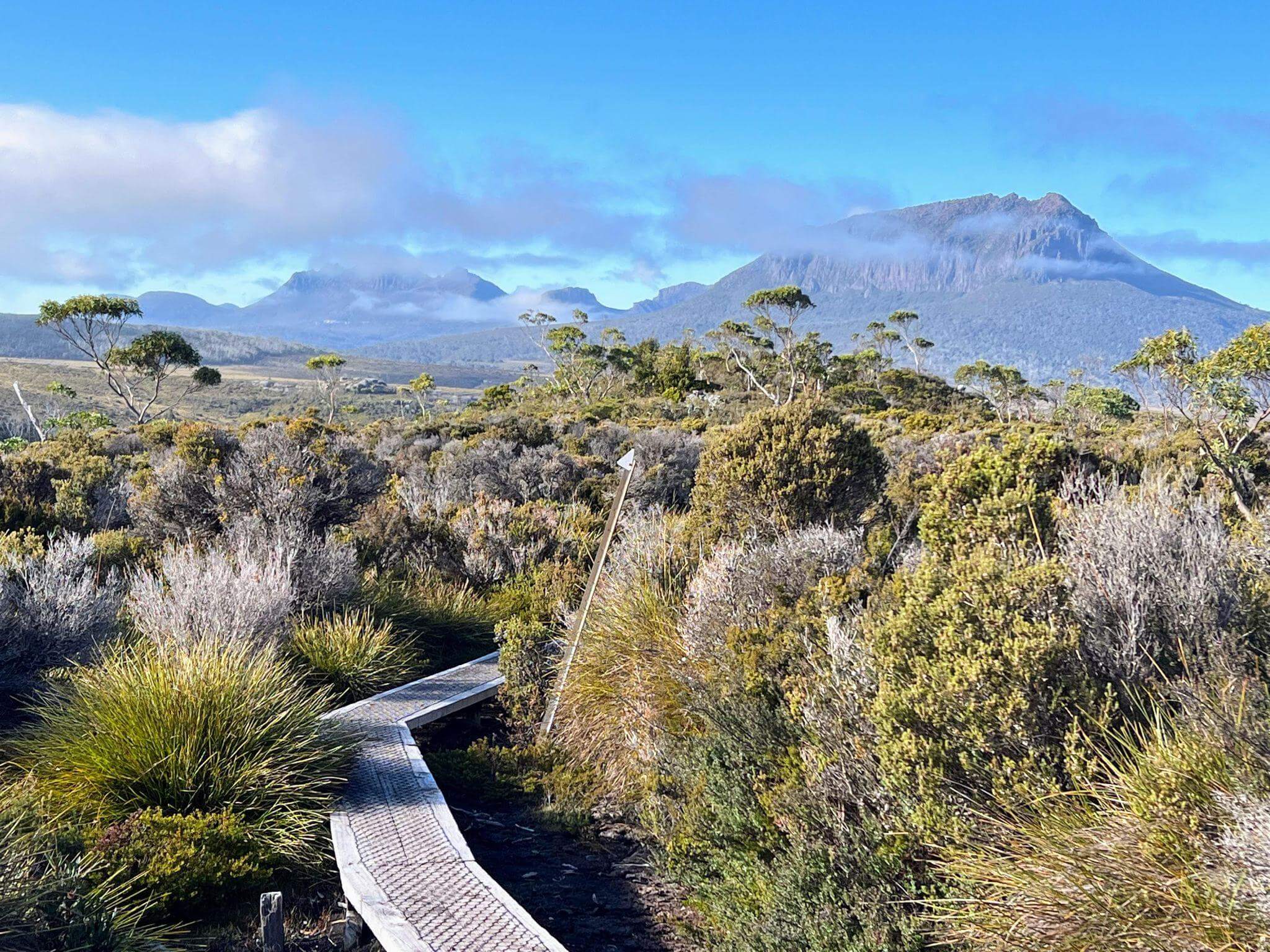
Day 4: Windy Ridge to Narcissus (9km, 2-4 hours)
The final day of the 4 day Overland Track itinerary brings you through the track’s most pristine wilderness sections before reaching the shores of Lake St Clair. This day showcases the full range of Tasmanian wilderness environments as you gradually descend from the alpine moorlands toward the temperate rainforest surrounding Australia’s deepest natural freshwater lake.
The track gradually descends through changing vegetation zones, from alpine heath back toward the dense forests that characterize the lower elevations. The boardwalks become more frequent as you approach the lake, protecting the sensitive wetland environments while providing comfortable walking surfaces. This day presents much easier walking, less tricky roots and more gentle downward slopes.
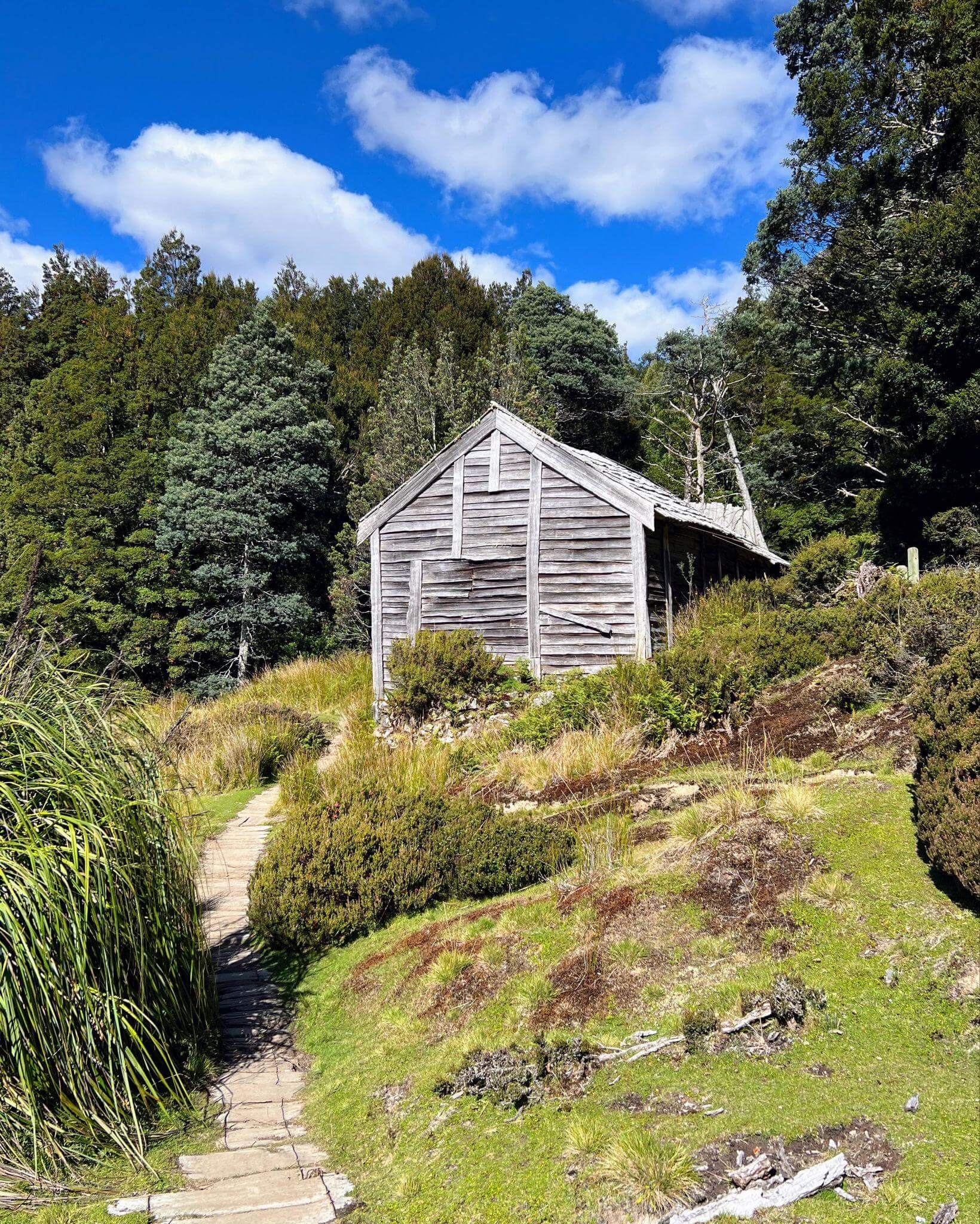
Narcissus Hut sits near the northern end of Lake St Clair, marking the effective end of the mountain wilderness section of the track. The hut provides the same basic facilities as others along the track, but its location offers stunning views across the lake toward the mountains you’ve just traversed.
The Decision
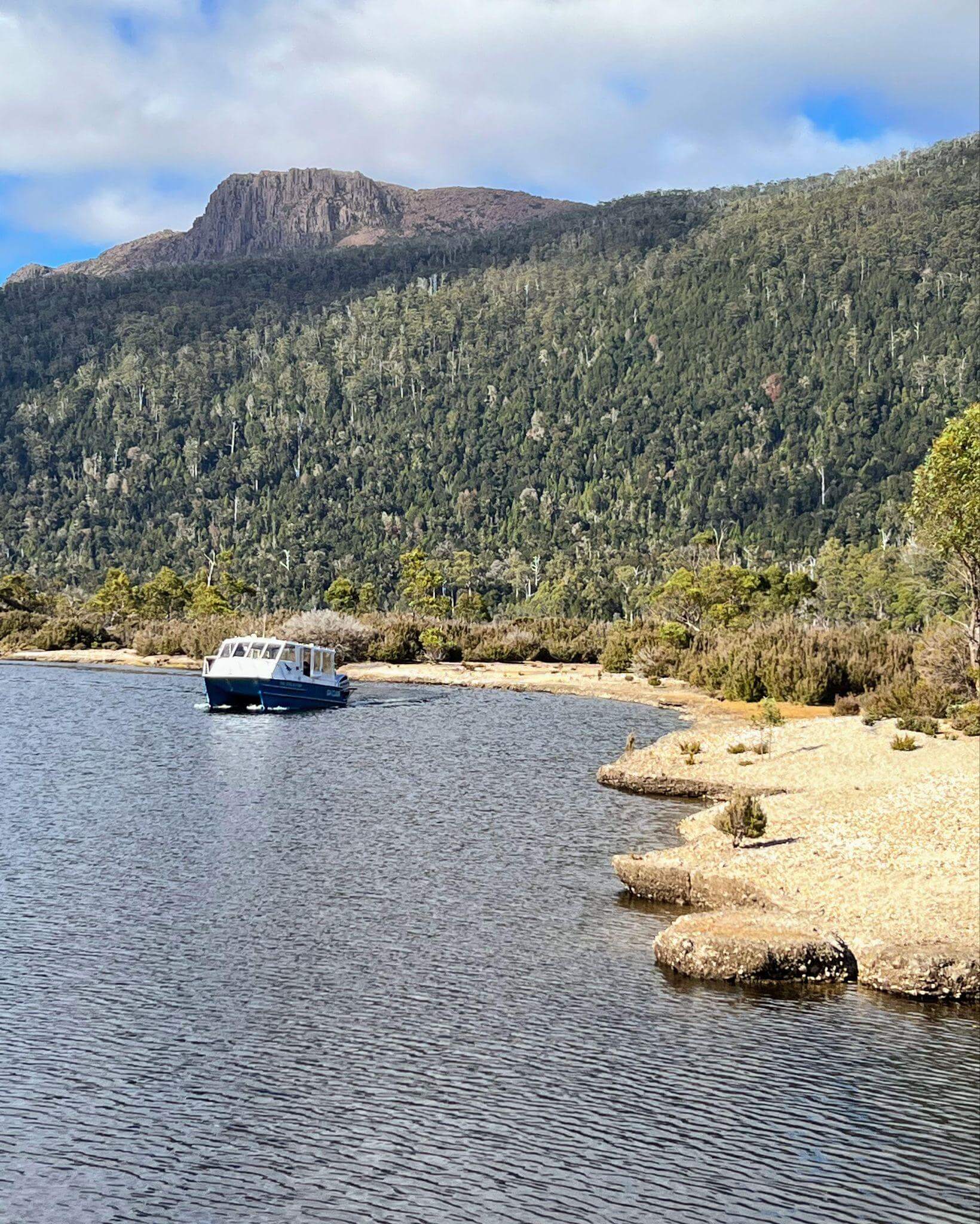
At Narcissus, you have an important decision to make. You can end your walk here and catch the ferry across Lake St Clair, or continue walking the final 17.5km around the lake to Cynthia Bay. The ferry option provides a fitting conclusion, allowing you to appreciate the scale of the wilderness you’ve just traversed while your legs recover from four days of challenging hiking. There’s also an option of spending a lazy afternoon on the shores of the lake, perhaps a refreshing dip, sleeping in the Narcissus Hut and catching the ferry in the morning. This is the option we took as we had a glorious sunny day – a great way to celebrate the end of the 4 day Overland Track itinerary.
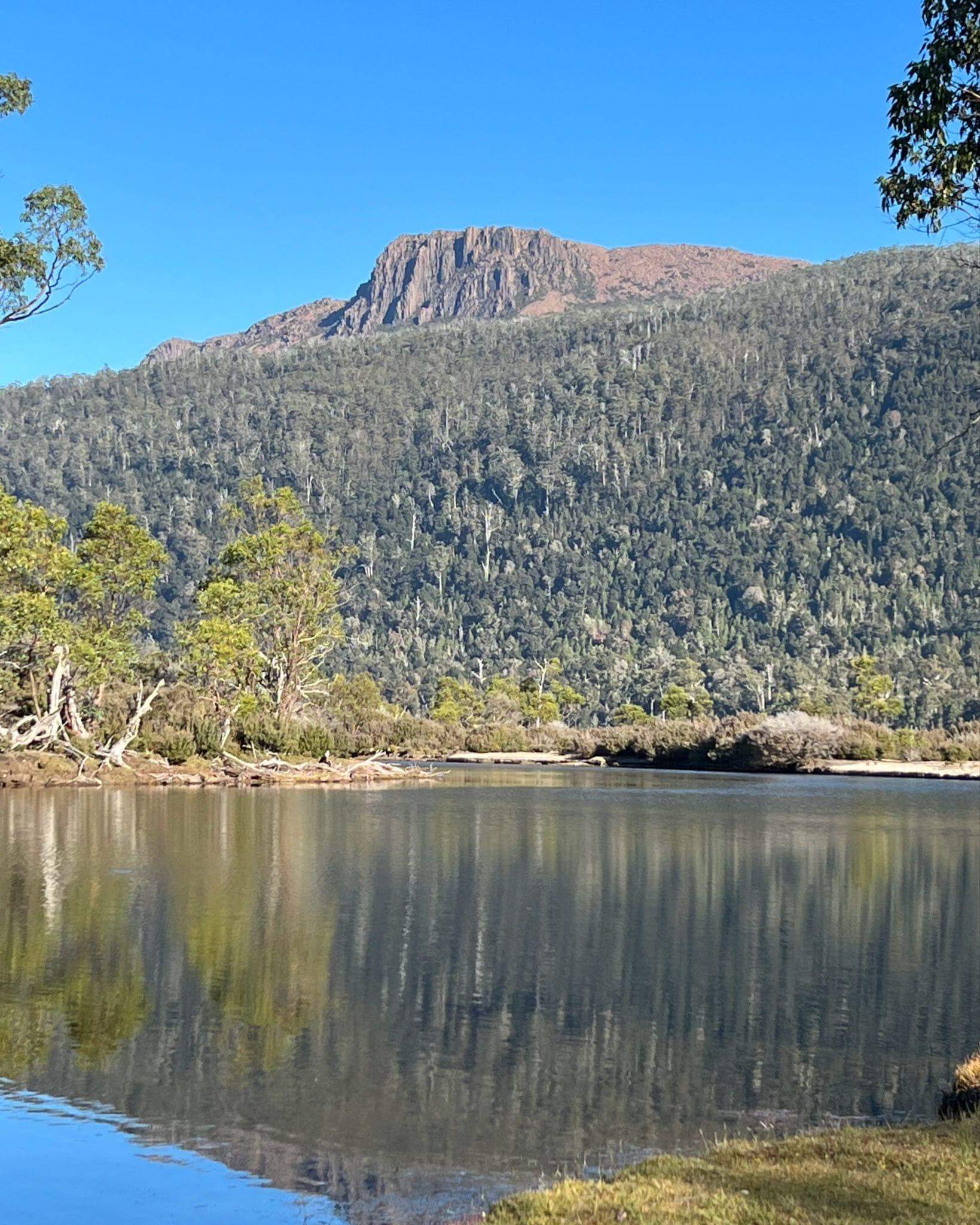
Optional Side Trip: Mount Ossa (3-4 hours return from Pelion)
For those seeking additional challenge and with time to spare, the side trip to Mount Ossa, Tasmania’s highest peak at 1,617 meters, can be incorporated into the 4 day Overland Track itinerary. This requires a very early start on Day 3, leaving your main pack at Pelion Hut and carrying only day pack essentials for the summit attempt. Remember to hide your pack zippers so the cheeky local birds don’t eat your lunch – they are super clever.
The side trip adds up to a couple of hours to an already long day, making it suitable only for very fit hikers with good weather conditions. The ascent is demanding, requiring good weather conditions and strong fitness levels. The final approach involves some scrambling over loose rock, but the 360-degree views from the summit provide perspective on the vast wilderness you’re traversing. From the summit, the Overland Track appears as a thin line threading through an ocean of green wilderness.
Essential Gear: What to Pack for Success
Clothing and Weather Protection
The Overland Track’s weather is notoriously unpredictable, and the 4 day Overland Track itinerary option means spending more time exposed to the elements each day. I’ve experienced everything from scorching 30-degree days to snow flurries in January. Your clothing system needs to handle this range while keeping weight to a minimum.
Base Layers: Pack merino wool or synthetic thermals (top and bottom). These regulate temperature and don’t retain odours after multiple days of wear. I recommend bringing two thermal tops – one for sleeping, one for hiking.
Insulation: A lightweight down jacket or synthetic insulated jacket is essential. Down is warmer for its weight when dry, but synthetic insulation performs better when wet. Given Tasmania’s climate, I lean toward synthetic options.
Outer Layers: Waterproof jacket and pants are non-negotiable. Look for quality breathable fabrics that can handle sustained rain.
Hiking Clothes: Quick-dry hiking pants, moisture-wicking shirts, and a warm fleece or soft-shell jacket. Pack one extra set of everything in case your primary clothes get soaked.
Extremities: Waterproof gloves, warm beanie, sun hat, and quality hiking socks (pack 2-3 pairs for the four-day option). Your feet will thank you for investing in merino wool hiking socks plus an inner layer – I’ve never had blisters with this two layer approach.
Safety Equipment: Your Lifeline in Remote Wilderness
EPIRB (Emergency Position Indicating Radio Beacon): With no mobile phone reception along most of the track, an EPIRB is your only reliable way to summon help in a serious emergency. These devices can be hired from outdoor equipment stores and become even more critical when covering longer daily distances.
First Aid Kit: A comprehensive first aid kit is essential for the four-day option. Include blister treatment (lots of it), pain relievers, anti-inflammatory medication, bandages, antiseptic wipes, and any personal medications. Consider adding a splint and emergency whistle. The longer daily distances increase the risk of overuse injuries.
Navigation: While the track is well-marked, carry a map and compass or GPS device with extra batteries. Weather can reduce visibility dramatically, and the four-day pace means less time for navigation errors.
Emergency Shelter: Even if you’re planning to sleep in huts, pack a lightweight emergency bivvy or space blanket. Weather can delay your arrival at huts, and the longer daily distances mean greater exposure to changing conditions.
Cooking and Food Storage
Stove: A reliable jetboil-style stove is essential for the four-day option. The all-in-one design is efficient and works well in windy conditions. Pack extra fuel – cold weather and altitude reduce fuel efficiency, and you’ll need more fuel for the longer days.
Cookware: Lightweight titanium or aluminum pot, spork, and insulated mug. A small bowl can be useful for larger meals that fuel the extended daily distances.
Food Storage: Waterproof stuff sacks or zip-lock bags for all food items. Pack everything in hard containers to prevent crushing and to keep food safe from wildlife. Plus remember a bag for your rubbish – you’ll need to carry that out with you.
Water Treatment: A quality water filter or purification tablets. The tank water at huts needs treatment, and you may need to source water from streams during the longer daily distances. I invested in a gravity water filter for our group – it can handle bigger volumes than the straws and is lightweight to carry.
Food Planning: Fueling Your Four-Day Adventure
Nutrition planning for four days of intensive hiking requires balancing weight, nutritional value, and palatability. You’ll be burning 3,500-4,500 calories per day on the 4 day Overland Track itinerary due to the extended distances, so high-energy foods are essential.
Breakfast Options
Oatmeal: Instant oats are lightweight and filling. Add dried fruit, nuts, and honey for extra calories and flavor. The four-day option requires substantial breakfasts to fuel the longer days.
Muesli: Mix with powdered milk and hot water. Pack in individual portions to avoid soggy leftovers. Choose varieties with nuts and dried fruit for sustained energy.
Breakfast Bars: High-energy bars provide quick fuel when you want to start walking early, which is essential for the four-day itinerary.
Lunch and Snacks
Crackers: Vita-wheat crackers or similar sturdy options that won’t crush in your pack. Pair with cheese (hard varieties last longer), tuna sachets, or peanut butter for substantial lunch meals.
Dried Fruit: Apricots, dates, and banana chips provide quick energy and essential minerals. Pack extra quantities for the four-day option’s energy demands.
Nuts: Almonds, cashews, and mixed nuts offer healthy fats and protein. Pre-portion into daily serves with extra for the longer walking days.
Chocolate: Dark chocolate provides quick energy and morale boosts. Pack enough for daily treats plus extra for the challenging days.
Energy Bars: Commercial hiking bars or homemade options. Look for bars with balanced carbohydrates and protein. The four-day option requires more frequent refueling.
Dinner Solutions
Dehydrated Meals: Commercial freeze-dried meals are convenient and nutritious. Brands like Back Country Cuisine offer variety and good taste. Pack larger portions for the four-day option’s increased energy demands.
Packet Soups: Lightweight and warming. Continental soup packets work well as starters before main meals on the longer days.
Noodles: Instant noodles are cheap and filling. Add tuna sachets, dried vegetables, or spices for variety. Consider double portions for the extended daily distances.
Rice and Pasta: Quick-cooking varieties save fuel. Pre-cook and dehydrate at home for even faster preparation after long days.
Tuna Sachets: Lightweight protein source. Flavored varieties add interest to simple carbohydrate bases and provide essential protein for recovery.
Drinks and Hydration
Coffee and tea: Instant coffee or tea bags for morning motivation. Pack enough for one hot drink per day plus extra for the longer days.
Electrolyte Drinks: Powder sachets help replace minerals lost through sweating. Particularly important for the four-day option’s increased daily exertion.
Hot Chocolate: Provides comfort and calories on cold evenings after challenging days.
Getting There and Trail Logistics
Transportation Options
To the Start: Tassielink operates bus services from Launceston to Cradle Mountain. The morning service (departing around 8:30am) allows you to reach the track start and begin your four-day adventure on the same day. Book in advance, especially during peak season (December-February).
From Narcissus: The ferry service from Narcissus across Lake St Clair operates several times daily (weather permitting) and provides a scenic conclusion to your wilderness journey. The ferry connects to shuttle bus services that run to both Cradle Mountain and directly to Launceston.
Alternative Finish: If you choose to walk the final 17.5km around Lake St Clair to Cynthia Bay, shuttle buses run regularly to your onward destination. This option adds a full day to your journey but provides a sense of completing the entire track on foot.
Private Vehicle: If driving, you’ll need to organise transportation between start and finish points. Some hikers arrange to have their car shuttled, while others use the public transport options.
Booking and Permits
The Overland Track requires advance booking and payment of fees regardless of how many days you plan to hike. The booking system opens in July for the following season, and popular dates fill quickly. The four-day option uses the same booking system as longer itineraries.
Consider booking midweek departures or shoulder season dates (October-November, March-April) for better availability and potentially better weather conditions. The track operates on a quota system to protect the wilderness experience and environment.
Accommodation Strategy
Hut Sleeping: First-come, first-served for indoor sleeping platforms. The four-day option’s longer daily distances mean arriving later at huts, potentially reducing your chance of securing indoor spots.
Tent Camping: Designated tent platforms at each hut. Many experienced hikers prefer tents for privacy and guaranteed space, especially important when covering longer daily distances.
Sleeping Gear: Bring a sleeping bag rated for temperatures at least 5 degrees below the expected minimum. Sleeping pads are essential for comfort on hard wooden platforms and for recovery between the longer hiking days.
The Ferry Decision: Narcissus vs. Cynthia Bay
One of the key decisions for four-day hikers is whether to end the walk at Narcissus and take the ferry, or continue the additional 17.5km to Cynthia Bay. Both options have their merits, and the choice often depends on your remaining energy, weather conditions, and personal preferences.
Ferry Option: Taking the ferry from Narcissus provides a scenic and relaxing conclusion to your wilderness journey. After four days of challenging hiking, the boat ride across Lake St Clair offers a different perspective on the landscape you’ve just traversed. The ferry operates regularly during hiking season, and the ride itself becomes part of the adventure.
Walking Option: Continuing to Cynthia Bay means completing the entire 65km track on foot. The additional 17.5km follows the lake shore and provides a gradual transition from wilderness back to civilization. This option appeals to purists who want to walk every meter of the track.
The lake shore section is relatively flat and well-maintained, but after four days of mountain hiking, even easy terrain can feel challenging. Weather conditions, your physical condition, and group dynamics all influence this decision.
Extending Your Tasmanian Adventure
Pre-Track Preparation at Cradle Mountain
Cradle Mountain-Lake St Clair National Park offers numerous shorter walks perfect for acclimatisation before tackling the four-day challenge. The Dove Lake Circuit is a stunning 6km walk around the lake, offering different perspectives of Cradle Mountain throughout the day and providing an excellent warm-up hike. A must-do if you haven’t been to Cradle Mountain before.
The Enchanted Forest Walk takes you through a mystical section of temperate rainforest, with moss-covered trees and filtered sunlight creating an otherworldly atmosphere. This shorter walk helps you adjust to the local terrain and conditions.
Crater Lake requires more effort but rewards with pristine alpine scenery and the chance to see the unique cushion plant communities. Use this as a fitness test before committing to the longer daily distances of the four-day option.
Wildlife Watching
Visit the Ronny Creek boardwalk to watch wombats at dusk. These endearing marsupials graze peacefully in the button grass, seemingly oblivious to human observers. The boardwalk protects the sensitive vegetation while providing excellent viewing opportunities.
Echidnas are common throughout the area, and Bennett’s wallabies often graze near the visitor center. The birdlife is exceptional, with endemic species like the Tasmanian native-hen and various honeyeaters providing constant entertainment.
Post-Track Recovery at Lake St Clair
After four days of intensive hiking, the Lake St Clair Lodge offers luxury that feels almost decadent. Hot showers, real beds, and restaurant meals provide the perfect transition back to civilization. The lodge restaurant serves generous portions of local produce, and the bar offers local wines and beers.
The Platypus Bay area is excellent for wildlife watching, with platypus often visible in the early morning and evening. The lake itself offers boat trips and fishing opportunities for those wanting to extend their stay.
Consider spending an extra night or two to fully appreciate the sense of achievement and allow your body to recover properly from the four-day challenge. The contrast between wilderness camping and lodge comfort enhances appreciation for both experiences.
Final Thoughts: The Four-Day Challenge
The 4 day Overland Track itinerary represents an intensive wilderness experience that compresses the full journey into a more demanding but time-efficient adventure. While the traditional six-day itinerary allows for a more leisurely pace and extensive side trips, the four-day option still provides the complete wilderness experience while accommodating those with limited time or who prefer covering more ground each day.
Every hiker who completes the Overland Track, whether in four days or six, joins a special community of people who have challenged themselves in one of Australia’s most pristine environments. The four-day option adds an extra element of physical achievement while maintaining the profound connection with Tasmania’s ancient wilderness that makes this track truly special.

Planning your next adventure? Check out our other guides
Need help packing? See our essential packing list.
Hiking with kids? Check out our top tips here.
Need help with your hiking menu? Check out our guide here.
Happy hiking!

