
Tasmania’s Three Capes Track: Your Gateway to Multi-Day Walking Glory
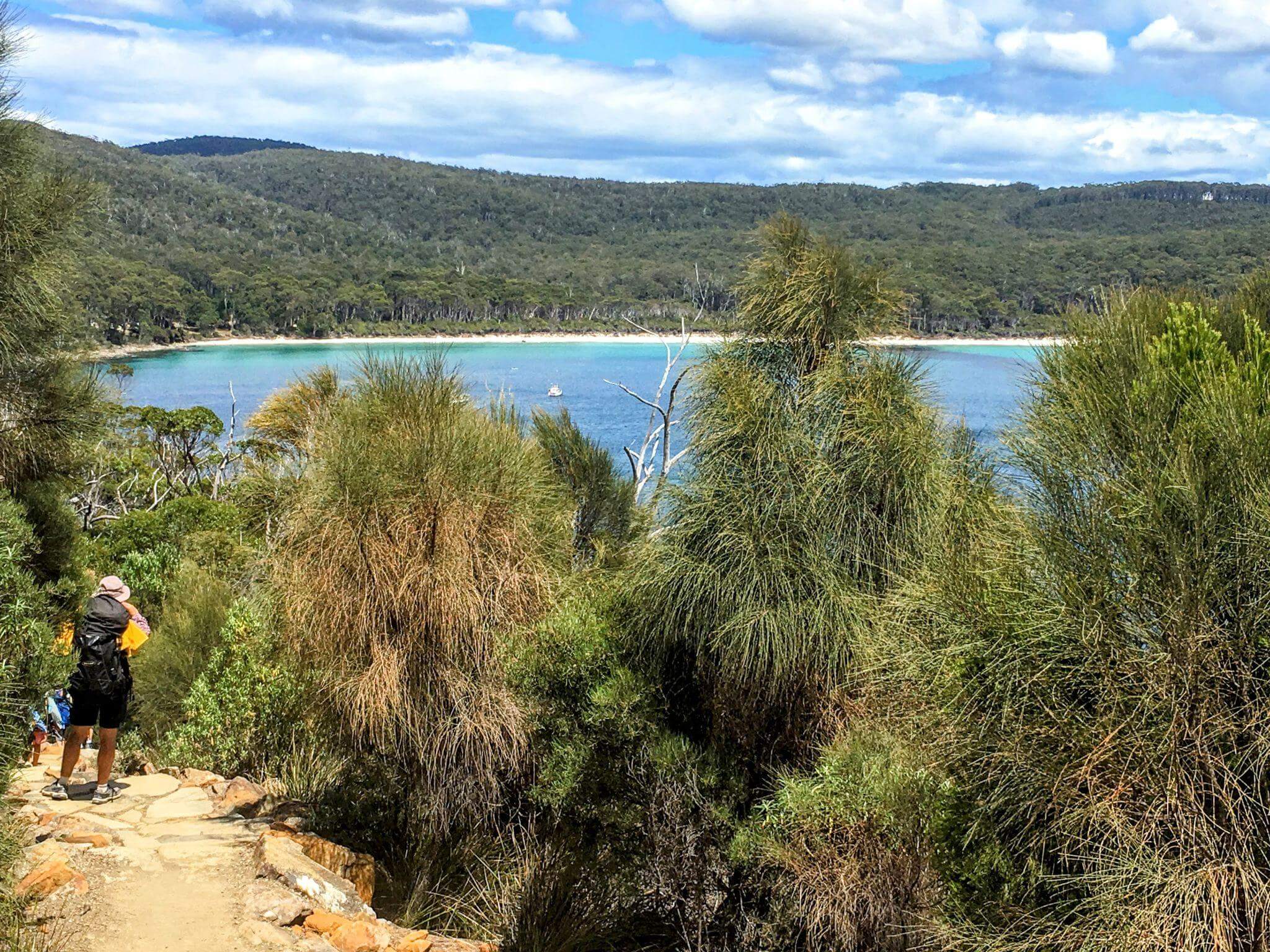
The brilliant white sand and crystal clear waters backed by pristine bushland greet us at the end of the Three Capes Track. I throw my pack to the ground, rip off my hiking boots and socks. Then I make a beeline for the pristine waters of Fortescue Bay. The refreshingly chilly Tasmanian waters are soothing my feet after completing the 48km Three Capes Track. A sweet reward for carrying the pack for 3.5 days. As the waves lap against my body, it’s time to reflect on the amazing adventure that was. Thoughts emerge about what adventure comes next. But for now, enjoy my Three Capes Track review.

Why the Three Capes Track Should Be Your Next Adventure
Tucked away in the south-east corner of Tasmania, the Three Capes Track isn’t your typical death-march hiking experience. This is multi-day walking done right. Think comfortable beds, a warm shower mid trip, and the kind of jaw-dropping coastal scenery.
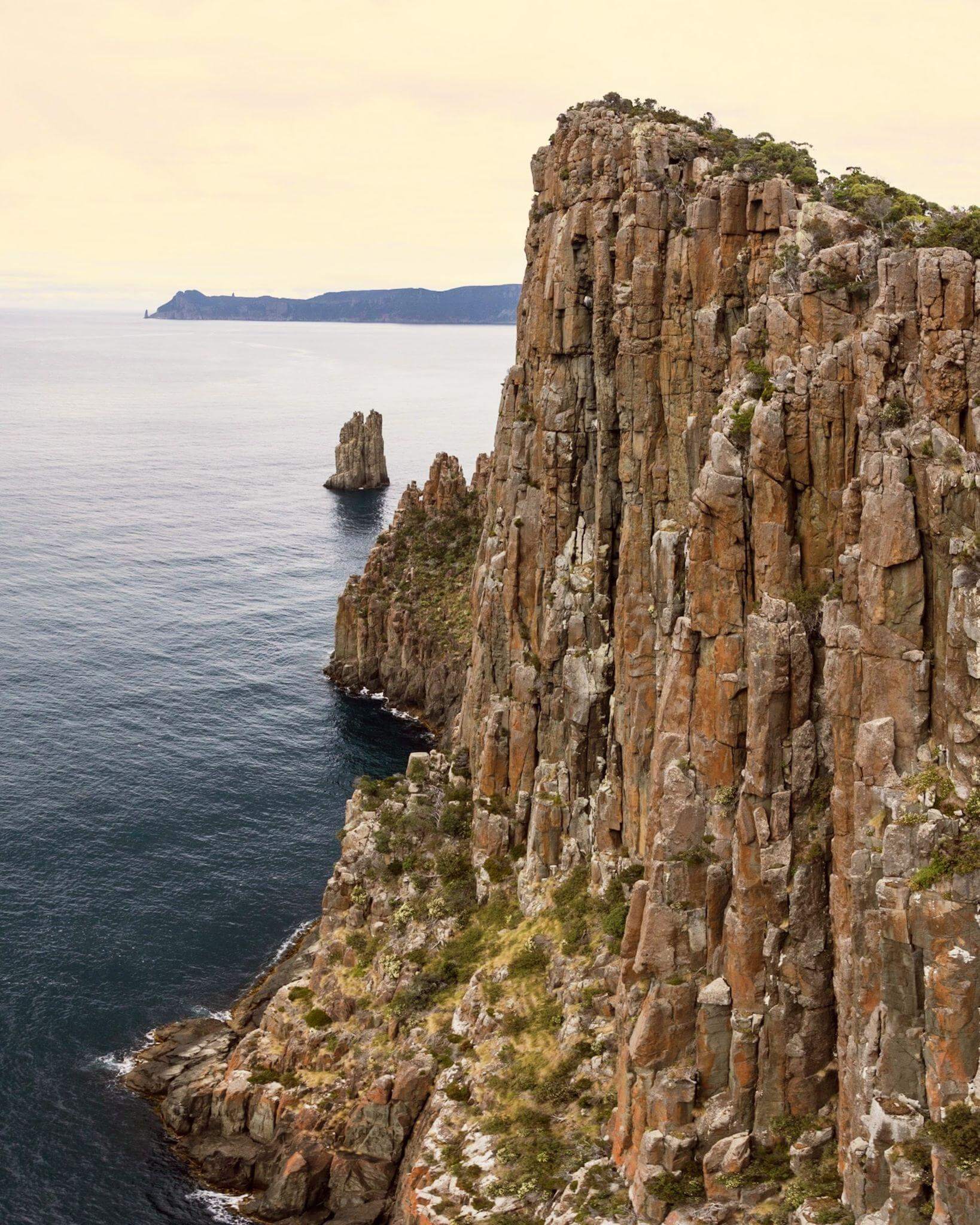
The track showcases three of Tasmania’s most spectacular coastal headlands: Cape Pillar, Cape Hauy, and Cape Raoul. Each offers its own unique perspective on the wild Southern Ocean. Towering dolerite cliffs, and that raw, untamed beauty that makes Tasmania such a special place. But what sets this track apart isn’t just the destination – it’s the journey itself. The track is crafted with an amazing attention to detail. It transforms what could be a gruelling slog into an absolute pleasure.
Getting There and Getting Started
Your Three Capes adventure begins with a bus ride from Hobart . There’s no need to hire a car or navigate unfamiliar roads. The journey takes you through some of Tasmania’s most beautiful countryside, building anticipation for what’s to come. But here’s where it gets interesting. The track kicks off with a jet boat experience from the famous Port Arthur. Taking your group out into the bay where you might spot some wildlife while getting an introduction to the landscape that’ll be your home for the next four days.
This isn’t just transport – it’s theater. The boat ride gives you a unique perspective on the coastline you’ll be walking, showing you just how dramatic and imposing these cliffs really are from sea level. Your guides will point out geological features, share stories about the area’s history, and maybe even spot some seals or dolphins if you’re lucky. It’s the perfect way to transition from the everyday world into adventure mode.
What Makes This Track Special
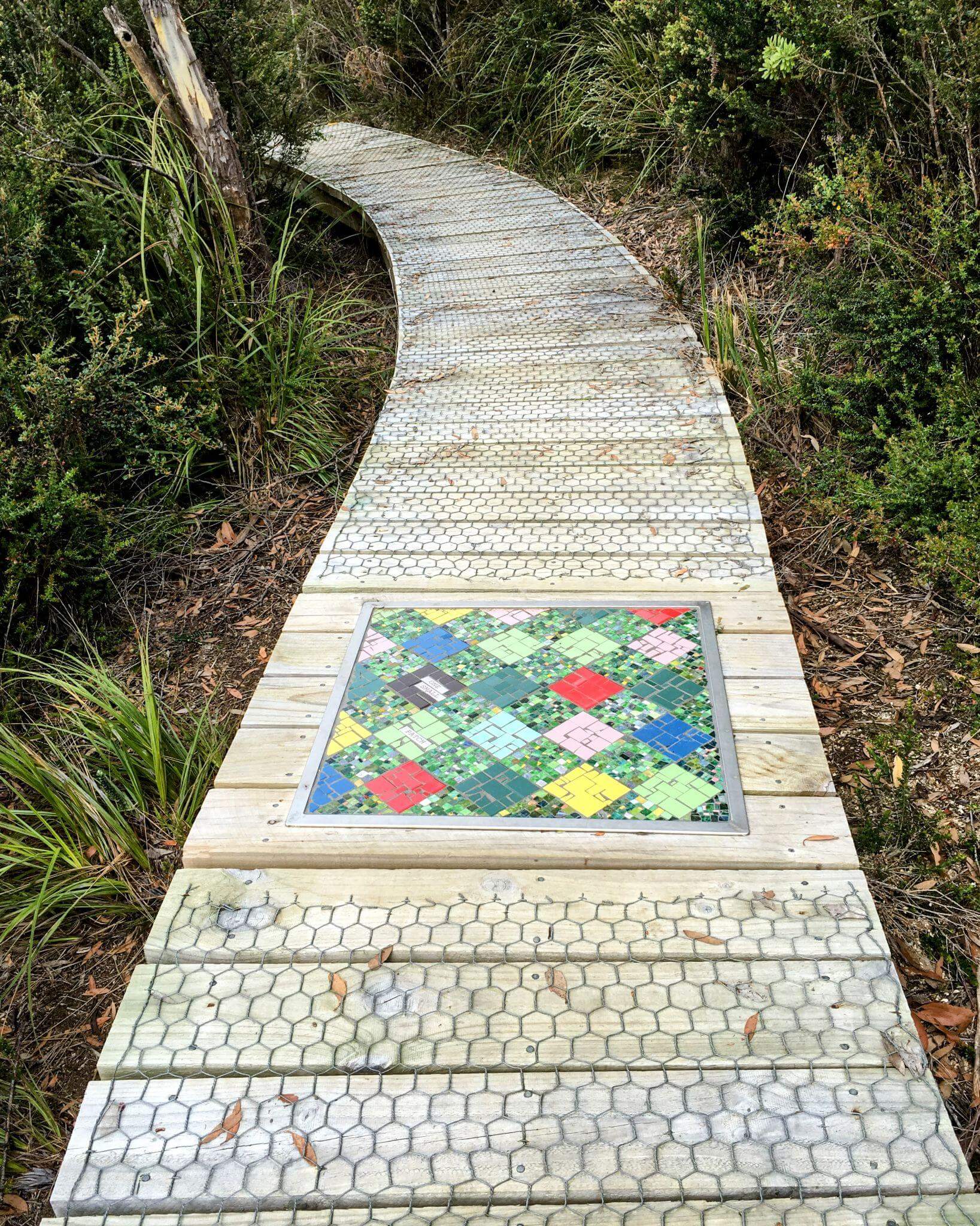
This track is truly handcrafted. Each stone and step placed with thought and care to improve the enjoyment of the walk. With relatively modest daily distances, this isn’t an epic physical challenge but a brilliant introduction to the joys of multi-day walking. The track builders have created something that feels both wild and civilized, challenging yet accessible.
The engineering is remarkable. Boardwalks carry you over delicate vegetation, stone steps guide you safely down steep sections. Viewing platforms position you perfectly for those picture perfect photos. But it never feels artificial. The infrastructure blends seamlessly with the natural environment, enhancing rather than detracting from the wilderness experience.
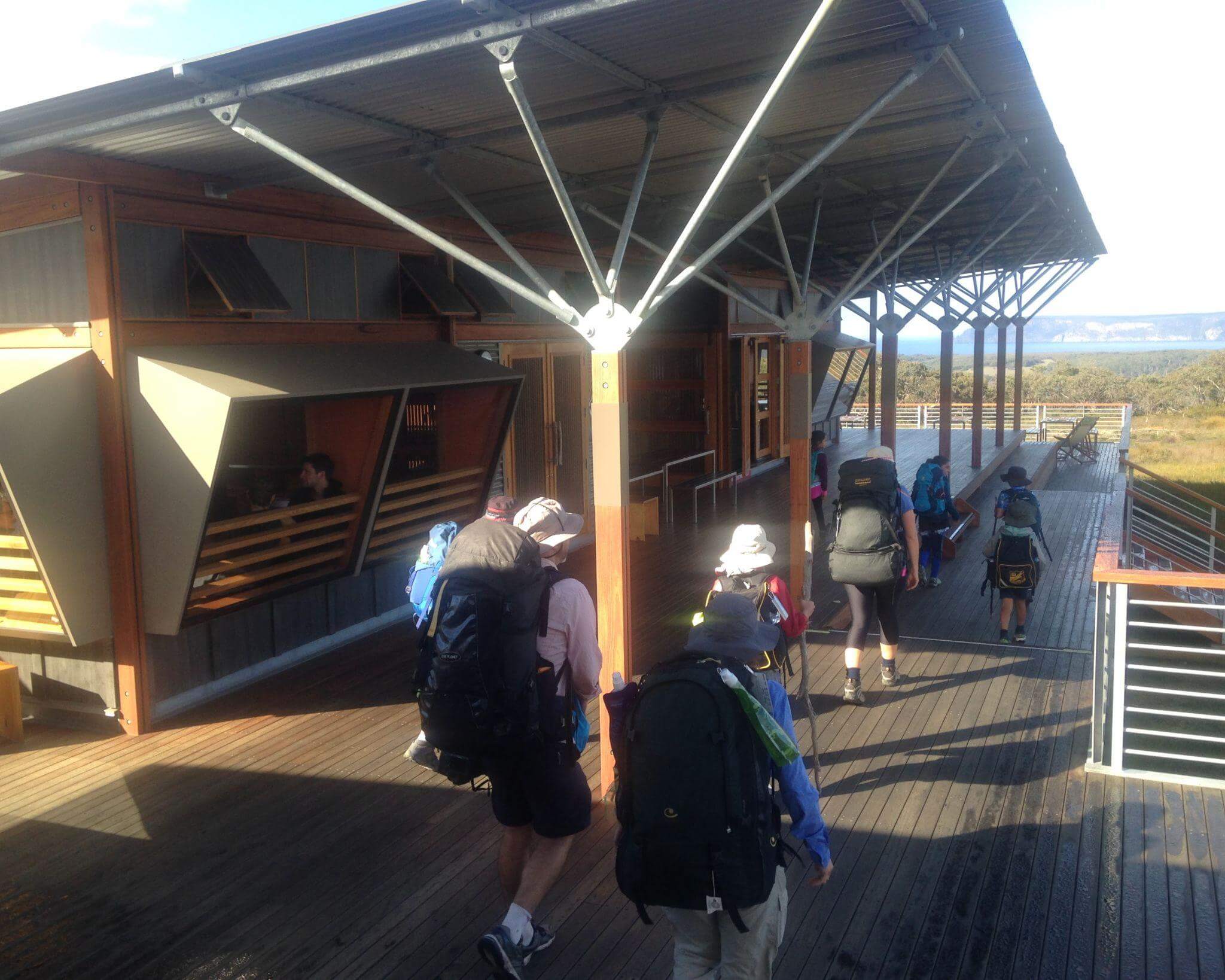
And here’s the kicker: you’re not roughing it in a tent. The comfort of the lodging each night changes everything. Gas stoves and kettles make light work of meals. Bunk beds with mattresses for all means no lugging tents and sleeping mats. Just bring your sleeping bag and, if you’re into creature comforts like me, your inflatable pillow. There’s even a shower at some stops – true luxury in the hiking world!
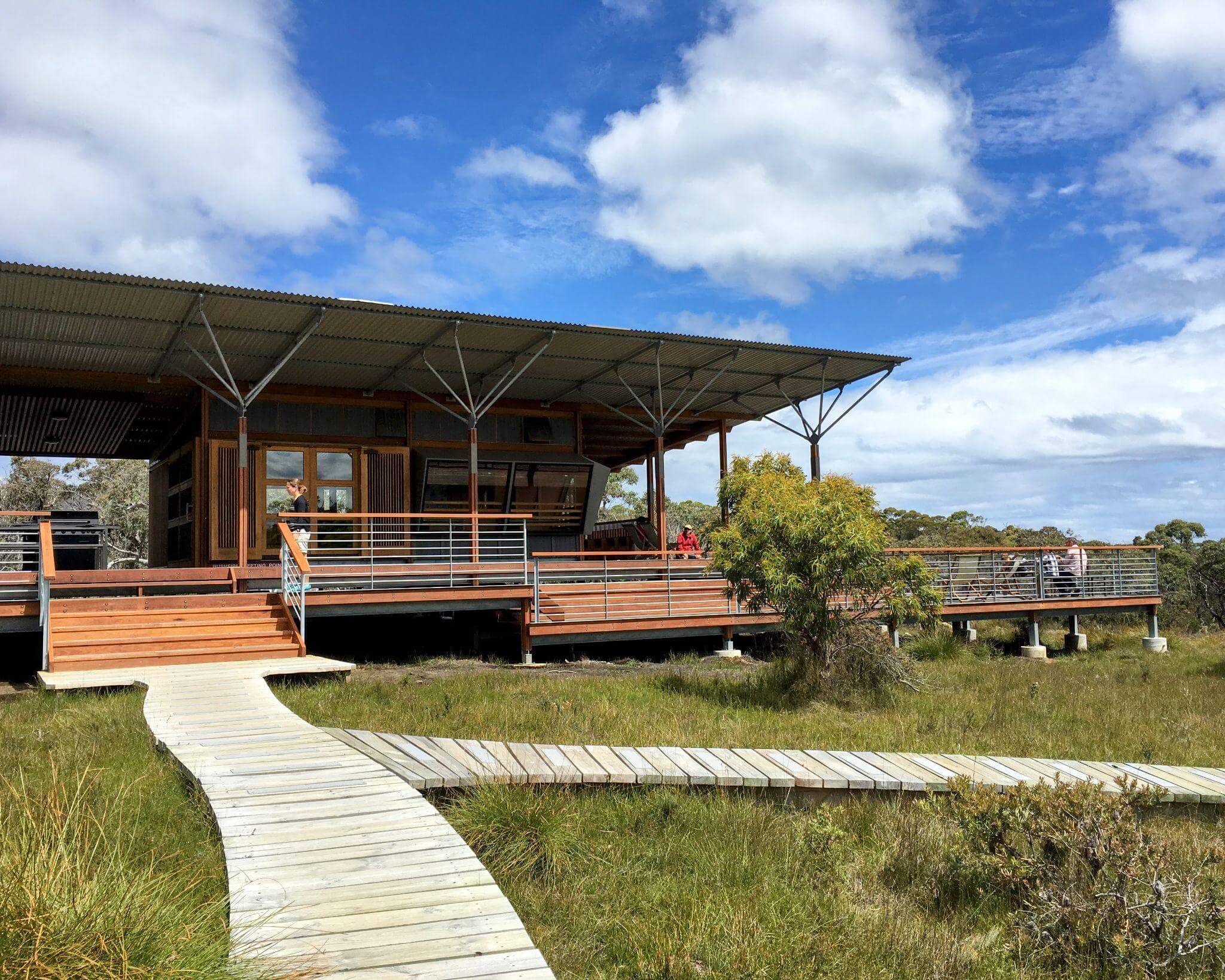
One cool feature of the cabins is the same books are available at each stop. You can continue reading from afternoon to afternoon as you make your way along the track. It’s these thoughtful touches that set this experience apart. Someone has really thought about what makes a multi-day walk enjoyable, and it shows in every detail.
Packing Smart for Success
Day 1 is a short distance, making it possible to carry in a pre-cooked meal (pizza, anyone?) and perhaps a cheeky glass of wine from a plastic bottle. Since you’re not camping, your pack stays refreshingly light. The absence of tent, sleeping mat, and stove means you can focus on the essentials without breaking your back.
Here’s what you actually need. A good sleeping bag rated for Tasmanian conditions, a few changes of clothes (merino wool is your friend), solid hiking boots that you’ve already broken in, rain gear (this is Tasmania, after all), a first aid kit, headlamp, enough food for your meals and plates, cups, and cutlery. The huts provide gas stoves and large kettles, so you don’t need to pack a full kitchen.
Pro tip: pack layers. Tasmanian weather can change quickly, and you’ll want options for everything from blazing sun to sideways rain. A good rain jacket and pants are non-negotiable – when the weather turns, you’ll be grateful for quality gear.
The Perfect Family Adventure
We did this walk with kids, youngest aged 9 – no problems at all. It’s best to travel with other families to keep the kids amused and entertained. The track’s design makes it particularly suitable for families. The daily distances are manageable, the infrastructure is safe and well-maintained, and the variety of scenery keeps young minds engaged.
Make sure you get a guidebook with details of all the little points of interest along the way from the visitor centre. Getting the kids to read along and learn about what they’re looking at turns the whole experience into an outdoor classroom. There’s so much to discover – from the unique plants that cling to the clifftops to the geological story written in the rocks themselves.
A word of caution: there are a couple of sections along very high cliff edges that are intentionally unfenced. I held on tight to the young ones here, but you know they’re coming up so you can be prepared. The track doesn’t spring surprises on you – dangerous sections are well-marked and anticipated.
Children love the wildlife encounters, the sense of adventure, and the achievement of completing something genuinely challenging. Just make sure they understand the environment deserves respect, and you’ll create memories that last a lifetime.
The Geological Spectacle
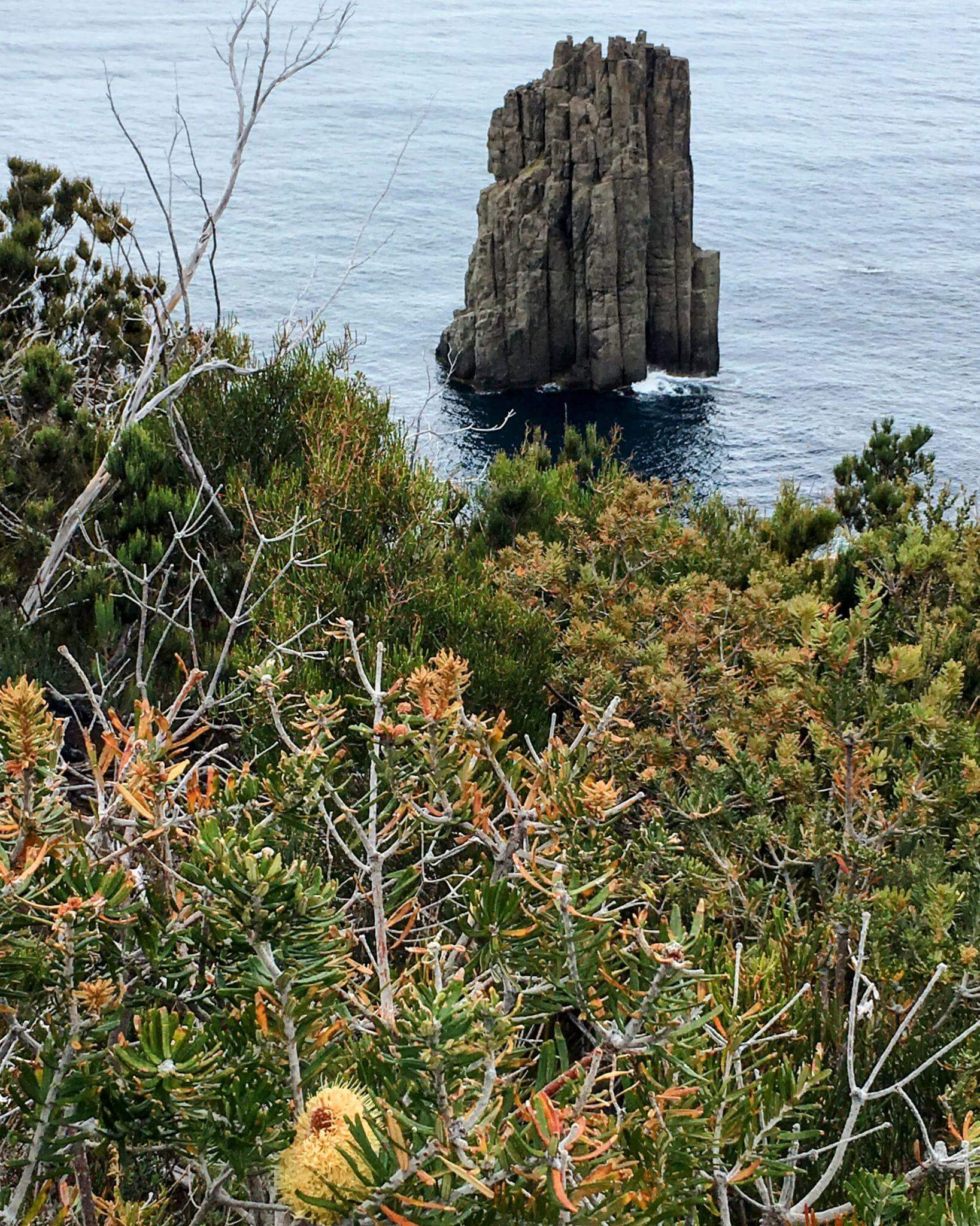
The Three Capes Track showcases some of Tasmania’s most dramatic geology. You’ll walk alongside towering dolerite cliffs that plunge dramatically into the Southern Ocean. Their columnar formations creating an almost cathedral-like atmosphere. These ancient rock formations tell the story of volcanic activity from millions of years ago, now sculpted by wind and waves into the breathtaking landscape you’ll traverse.
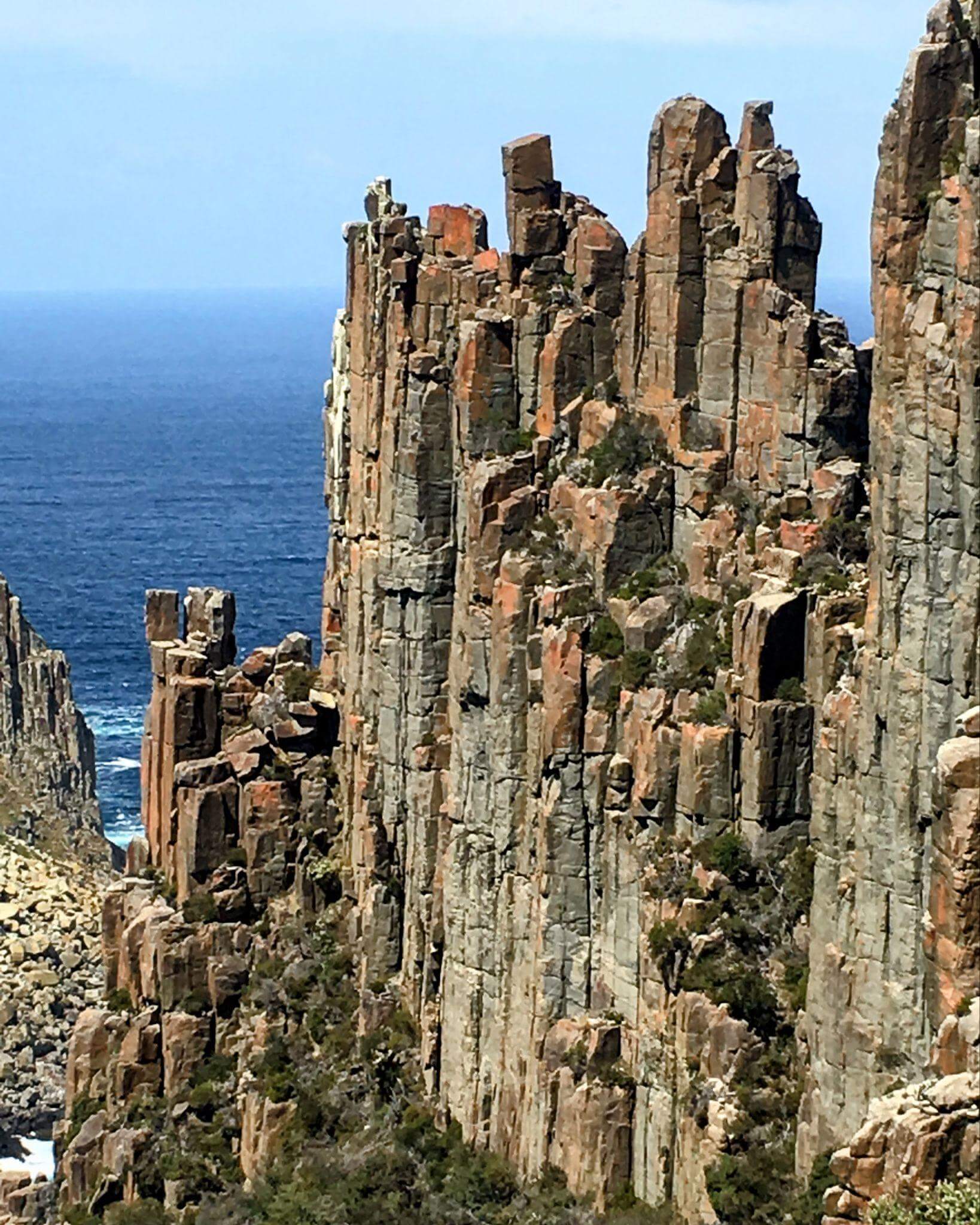
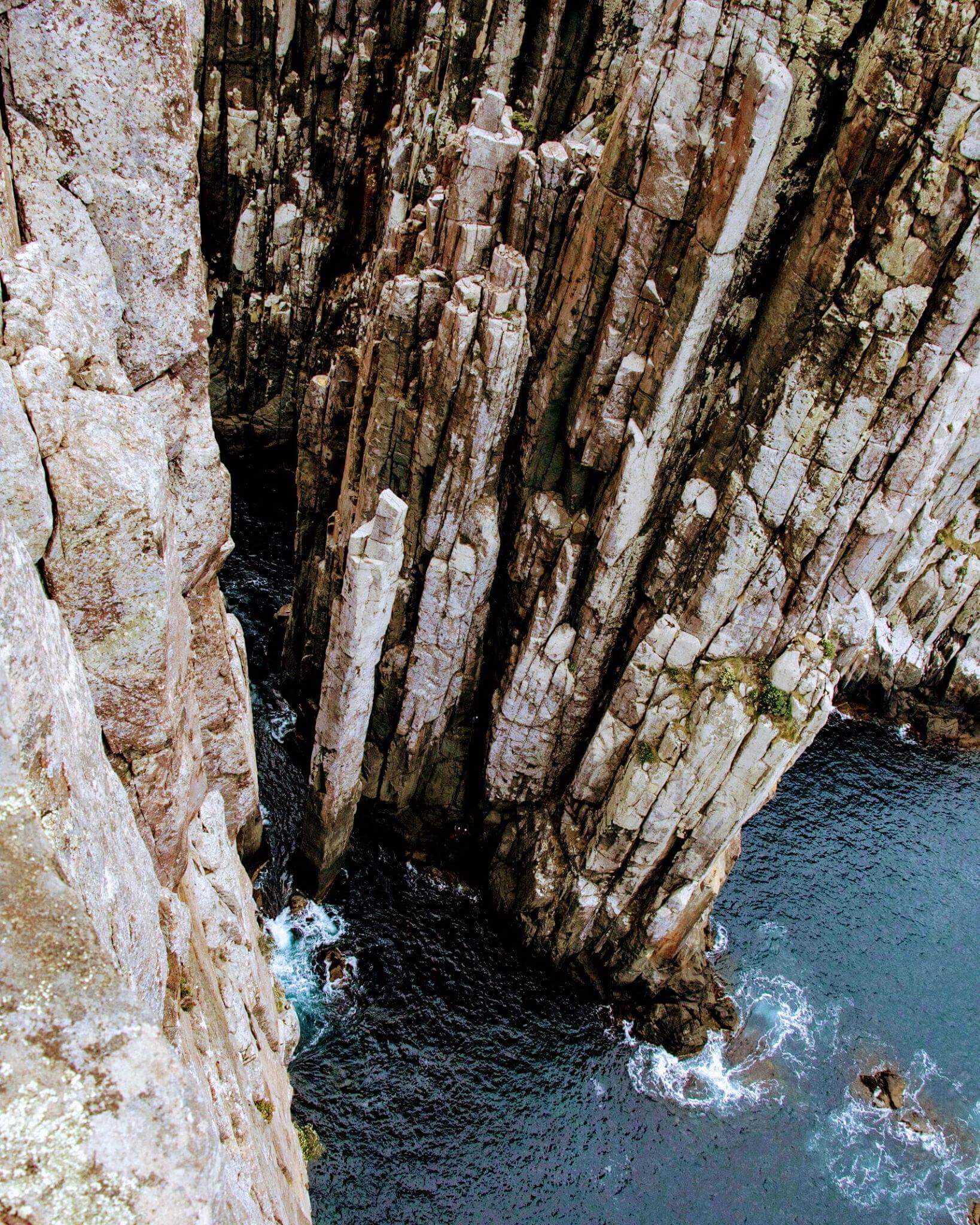
The dolerite columns are particularly striking – perfectly geometric formations that look almost too regular to be natural. These formed when molten rock cooled slowly underground, creating the distinctive hexagonal patterns you see today. Millions of years of erosion have exposed these underground formations, creating the dramatic coastal scenery that makes this track so special.
At various points along the track, you’ll encounter different rock types and formations, each telling part of Tasmania’s geological story. The interplay between the hard dolerite and softer sedimentary rocks creates the varied landscape that keeps every day interesting.
Wildlife Encounters
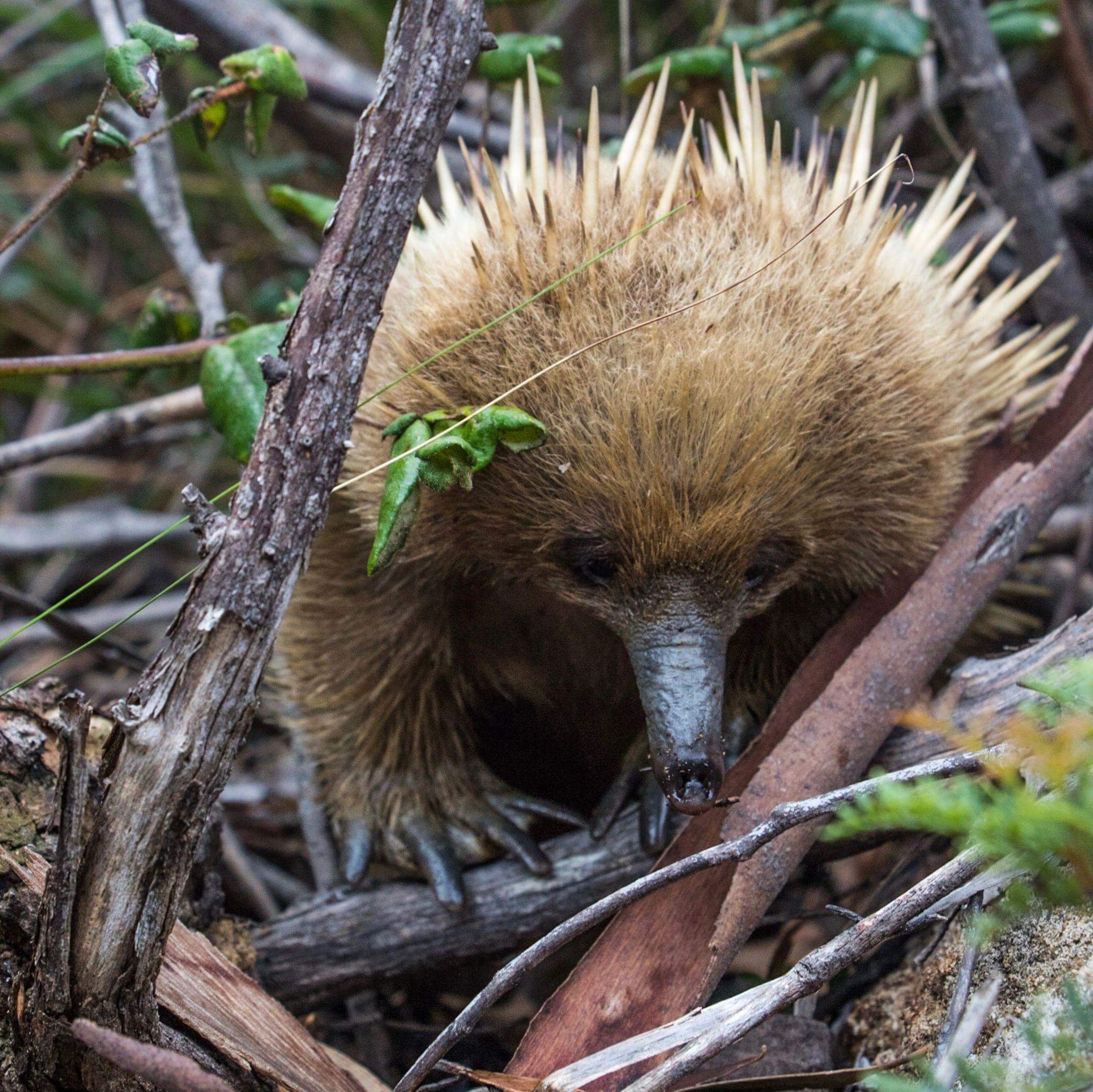
Keep your eyes peeled for echidnas shuffling through the undergrowth, wallabies grazing in the early morning light, and a spectacular array of bird life including the majestic white-bellied sea eagle. The coastal waters might reward you with sightings of seals, dolphins, and if you’re incredibly lucky, migrating whales during the right season.
The birdlife is particularly spectacular. You might spot the endangered swift parrot, various honeyeaters, and the distinctive black currawong. The coastal location means seabirds are abundant. Look for gannets diving for fish, cormorants drying their wings on rocky outcrops, and the occasional albatross soaring on the ocean winds.
Early morning and late afternoon are the best times for wildlife viewing. The animals are most active during these cooler periods, and the light is perfect for photography. Remember to maintain a respectful distance – these are wild animals in their natural habitat.
Day-by-Day Three Capes Track Review
Day 1: Port Arthur to Surveyors Hut (5km, 2-3 hours)
Your adventure begins with that memorable jet boat ride from Port Arthur before you set foot on the actual track. Once you’re on land, Day 1 is deliberately gentle. Just 5 kilometres that ease you into the rhythm of multi-day walking. This shorter distance is perfect for carrying that pre-cooked meal and bottle of wine I mentioned earlier.
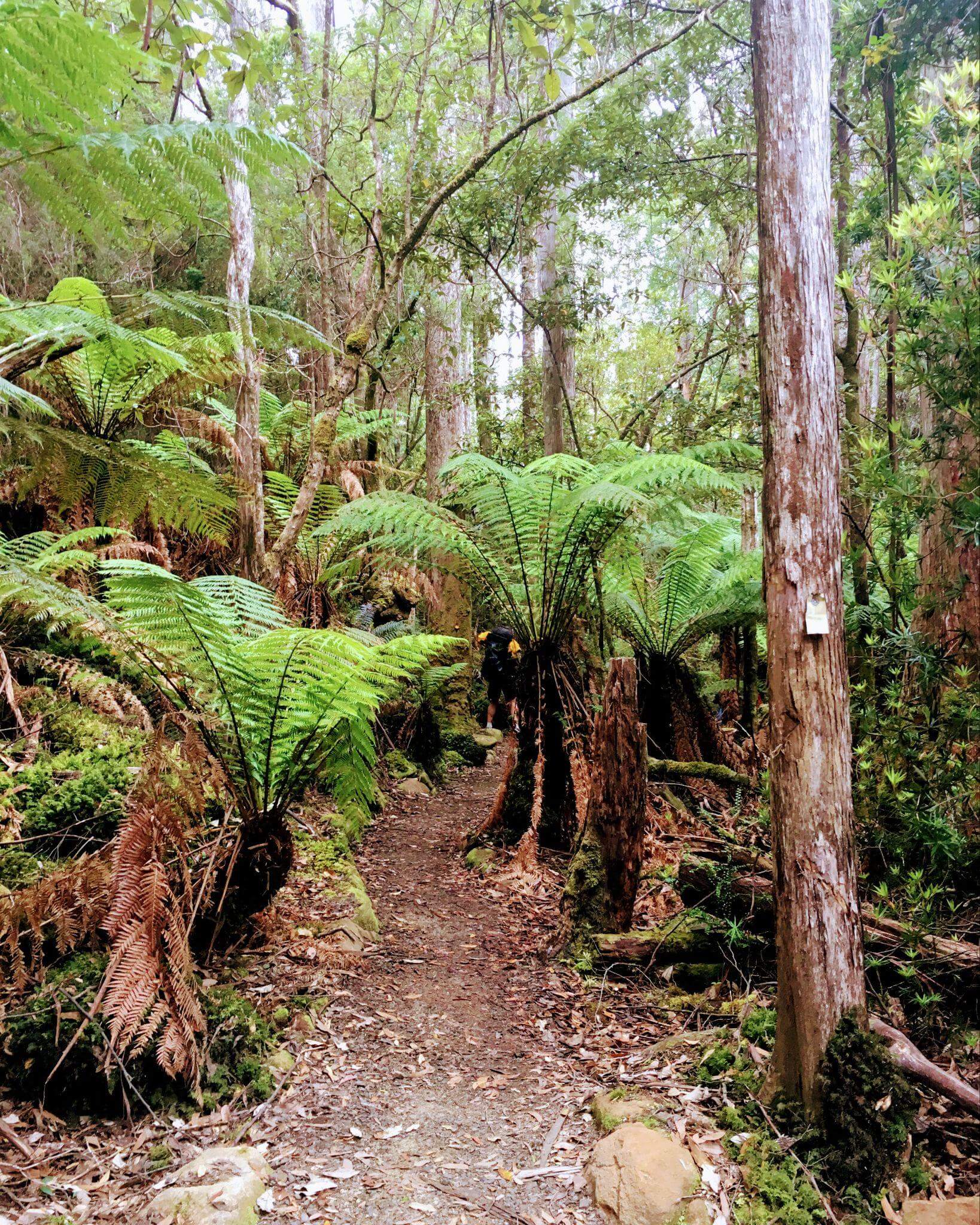
The track initially winds through coastal heathland and eucalyptus forest, giving you a taste of Tasmania’s diverse vegetation. You’ll cross several small creeks and enjoy glimpses of the ocean through the trees. The walking is pleasant and not too challenging. It’s exactly what you need after the excitement of the boat ride and the weight of a full pack.
Surveyors Hut is your first taste of the track’s accommodation. The hut is comfortable and well-equipped, with solar power for lighting and charging devices. The communal atmosphere starts to develop as groups share meals and stories. This is where you’ll realise that the Three Capes Track isn’t just about the walking – it’s about the whole experience.
Day 2: Surveyors Hut to Munro Hut (13km, 5-6 hours)
Day 2 ramps up the distance and the drama. Thirteen kilometers might sound daunting, but the track’s excellent construction and varied terrain make it feel manageable. This is where you really start to appreciate the engineering marvel that is the Three Capes Track.
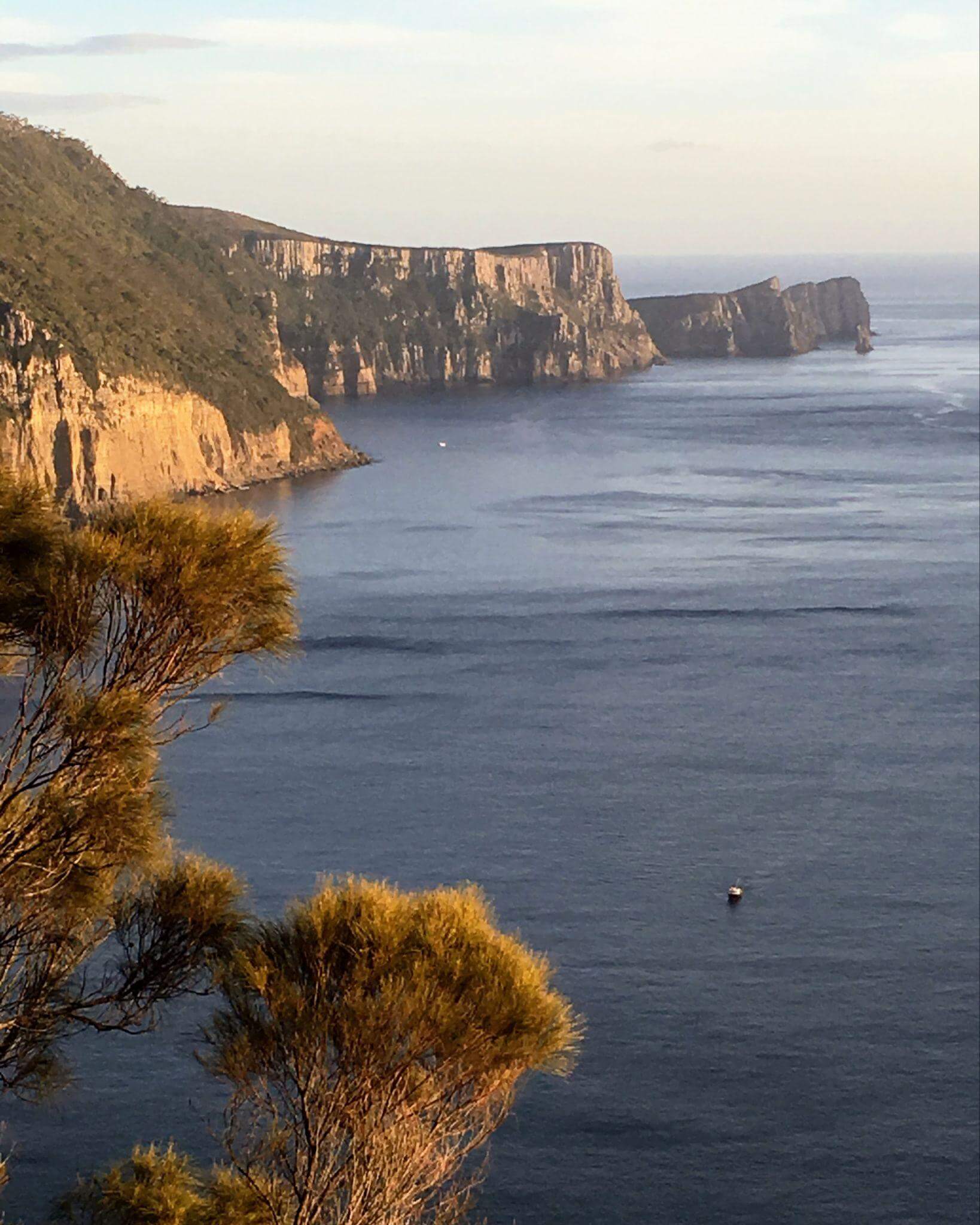
You’ll traverse coastal heathland, descend into temperate rainforest gullies, and climb back up to exposed ridgelines. The highlight of the day is reaching your first major viewpoint, where the scale of the coastal cliffs becomes apparent. The Southern Ocean stretches endlessly to the horizon, and you begin to understand why this coastline is considered one of the world’s great wildernesses.
The track includes several creek crossings and some moderate climbs, but nothing that will challenge a reasonably fit walker. The boardwalks and stone steps take you safely across boggy areas and down steep sections. By the time you reach Munro Hut, you’ll feel like you’ve accomplished something significant.
Munro Hut is larger than Surveyors Hut and often has the best sunset views of the entire track. The western-facing deck is perfect for watching the sun sink into the Southern Ocean while you enjoy your evening meal. This is where many groups really start to bond over shared experiences and impressive views.
Day 3: Munro Hut to Retakunna Hut via Cape Pillar (17km, 7-8 hours)
Day 3 is the big one – your longest day and the most spectacular. Seventeen kilometres sounds like a lot, but the incredible scenery makes the time pass quickly. Plus you’ll only need to carry a day pack for most of it as you’ll double back past Munro Hut after heading out to Cape Pillar. This is the day you’ll remember for the rest of your life.
The day begins with a steady climb through varied vegetation zones. You’ll pass through dry sclerophyll forest, then alpine heathland, before emerging onto the exposed clifftops. The first major milestone is reaching Cape Pillar, the highest sea cliffs in the Southern Hemisphere at 300 meters above sea level.
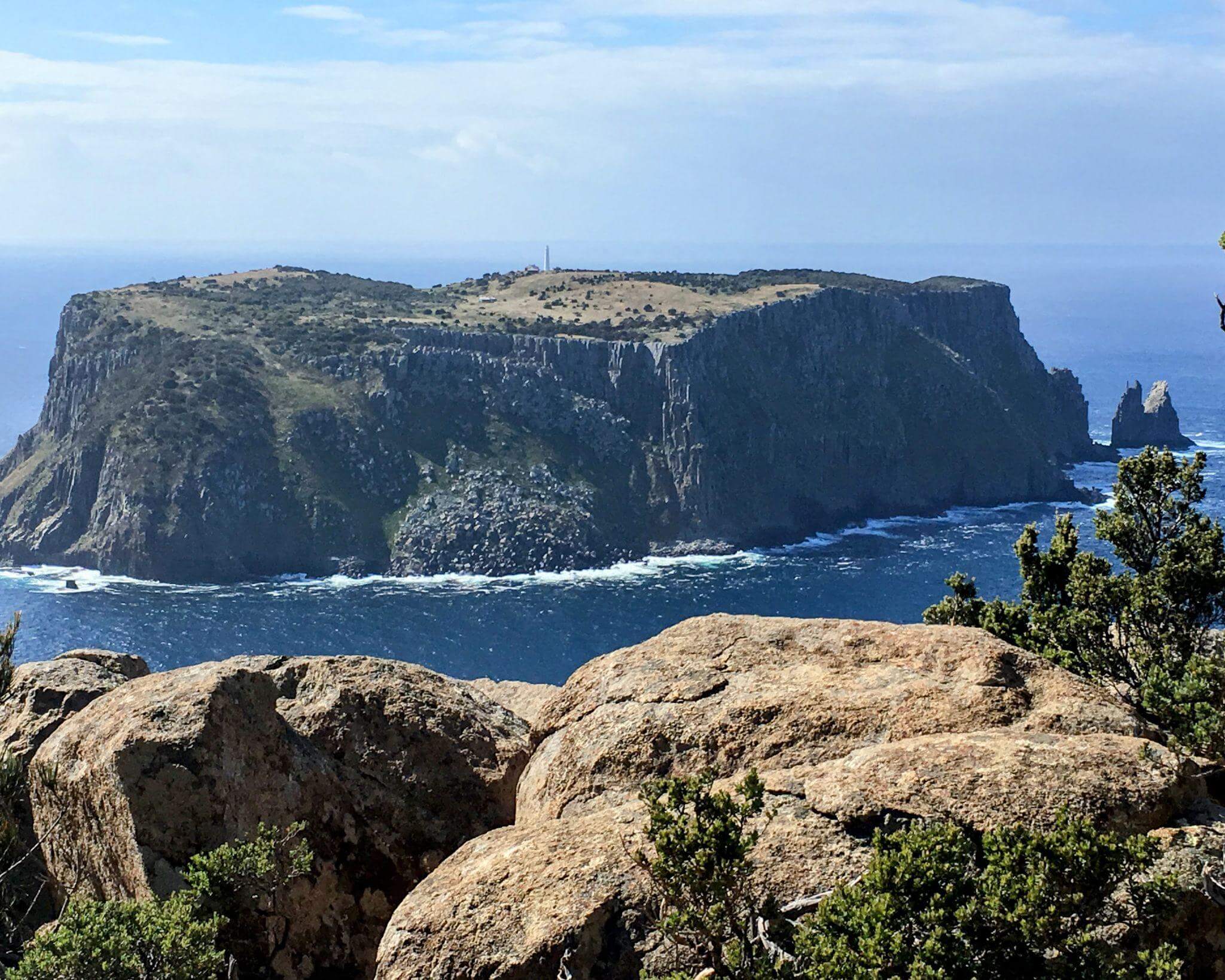
The views from Cape Pillar are absolutely breathtaking. You can see Tasman Island in the distance, the endless expanse of the Southern Ocean, and the dramatic coastline stretching in both directions. The scale is humbling – these cliffs have been carved by millions of years of relentless ocean action.
The Blade – a must-do
Here’s where you encounter that optional traverse I mentioned – “the blade”. An aptly named thin wedge of rock high above the ocean. Perhaps give this a miss if you have serious vertigo. But if you can manage it, this is a real highlight of the trip. The views to Tasman Island are incredible. The adrenaline rush of walking this narrow section adds an extra dimension to the experience.
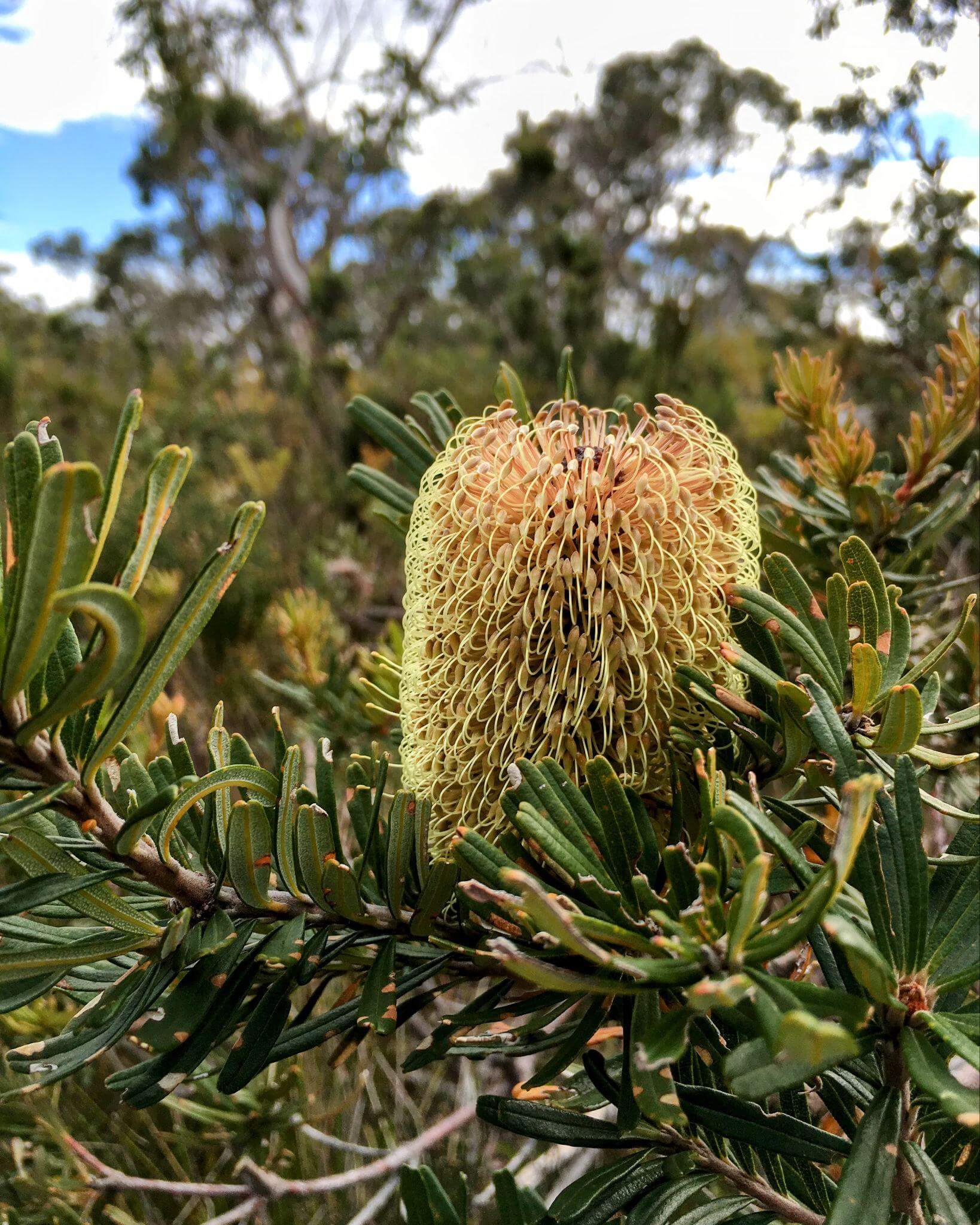
The track continues along the clifftops, offering constant views and photo opportunities. You’ll pass through a landscape that feels primordial – ancient plants clinging to clifftops, shaped by constant wind and salt spray. The hardy vegetation includes cushion plants, coastal banksia, and various heathland species perfectly adapted to these harsh conditions.
Retakunna Hut sits in a more sheltered location, providing welcome relief from the exposed clifftops. This hut has the luxury of a shower – an unexpected treat that feels amazing after a long day of walking. The communal atmosphere is particularly strong here, as everyone shares stories of the day’s adventures and achievements.
Day 4: Retakunna Hut to Fortescue Bay via Cape Hauy (14km, 5-6 hours)
The final day is the longest but also the most rewarding. A 14-kilometer journey that takes you up over Mount Fortescue to Cape Hauy and then on to the spectacular finish at Fortescue Bay.
The day begins with the steady incline to the top of Mount Fortescue, the highest point on the track. From this point, the walk to Cape Hauy is mostly downhill. It takes you through more varied terrain, including some of the track’s most interesting vegetation. The approach to the cape builds anticipation perfectly, with glimpses of the dramatic rock formations ahead.
Cape Hauy is home to the famous Totem Pole – a 65-meter sea stack that’s become legendary in climbing circles. If you’re lucky, you’ll spot rock climbers scaling up this vertical challenge while you’re safely on the clifftop. Watching these brave souls tackle this imposing pillar of rock is quite the spectacle.
The cape itself offers 360-degree views of the coastline, with different perspectives on the cliffs and ocean. The geology here is particularly interesting, with various rock formations telling the story of how this landscape was formed. The viewing platforms position you perfectly for photos and allow you to safely appreciate the dramatic drop-offs.
After exploring Cape Hauy, the track begins its descent toward Fortescue Bay. The vegetation gradually changes from coastal heathland to more sheltered forest. You start to smell the sea in a different way – not the wild, exposed ocean of the clifftops, but the more gentle waters of a protected bay.
The Sweet Finish at Fortescue Bay
And then you’re there – Fortescue Bay spread out before you like a reward for your efforts. The brilliant white sand and crystal clear waters backed by pristine bushland create a scene that’s almost too perfect to be real. This is where my opening anecdote comes full circle. Where throwing off your pack and boots for that refreshing swim becomes not just a possibility but a necessity.
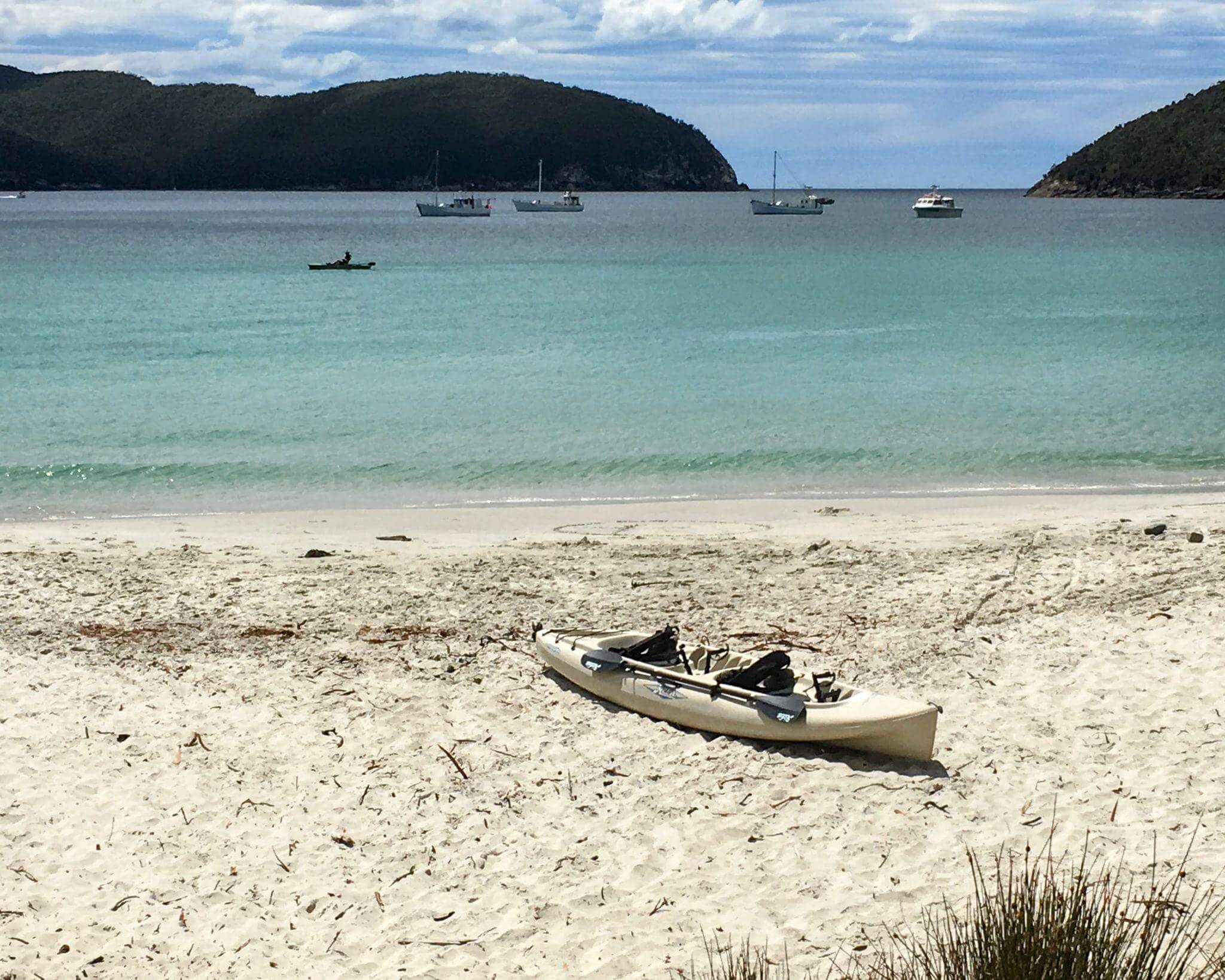
The bay is perfect for swimming, with calm waters and a gentle sandy bottom. The temperature might be refreshingly chilly. But after four days of walking, those Tasmanian waters feel like the best spa treatment you’ve ever had. This is your moment to reflect on the amazing adventure that was, and to start planning what adventure comes next.
When to Go and How to Book
Summer (December to February) is prime time for the Three Capes Track. The weather’s most reliable, the days are long, and those post-hike swims in Fortescue Bay are absolutely divine. The longer daylight hours mean you can really take your time and enjoy the experience without worrying about getting caught in the dark.
That said, shoulder seasons can be magical too, with fewer crowds and dramatic weather adding to the experience. Autumn (March to May) offers stunning colours and crisp clear days. Spring (September to November) brings wildflowers and fresh growth. Winter walking is possible but requires more preparation and experience.
Booking is essential – this isn’t a track you can just rock up to. The controlled numbers mean you’ll need to plan ahead, especially for summer slots. The booking system manages the number of people on the track at any time, ensuring a quality experience for everyone. Peak season bookings can fill up months in advance, so get organised early.
The booking process is straightforward through the official Parks Tasmania website. You’ll need to book accommodation, transport, and any additional services like gear rental. The system allows you to see availability and choose dates that work for your schedule.
The Bottom Line
The Three Capes Track proves that multi-day hiking doesn’t have to mean suffering. With comfortable accommodation, stunning scenery, and just enough challenge to make you feel accomplished, it’s the perfect introduction to multi-day walking. Whether you’re a family with kids, a group of friends, or a couple looking for adventure, this track delivers an experience that’ll have you planning your next hiking adventure before you’ve even finished this one. This Three Capes Track review gives this walk a massive tick of approval.
The track succeeds because it focuses on the experience rather than the endurance test. Every element has been designed to maximise enjoyment while minimizing the barriers that might prevent people from attempting their first multi-day walk. The result is something that feels both accessible and genuinely adventurous.
And when you’re sitting in those crystal-clear waters at Fortescue Bay, pack discarded on the sand and the whole adventure behind you, you’ll understand exactly why Tasmania’s Three Capes Track has earned its reputation as one of Australia’s finest walking experiences. It’s not just about the destination – it’s about the journey, the people you meet, the challenges you overcome, and the memories you create along the way.
The Three Capes Track doesn’t just show you some spectacular scenery. It gives you the confidence and inspiration to seek out your next adventure. And trust me, once you’ve experienced the magic of multi-day walking done right, you’ll be planning your next expedition before you’ve even made it home.
Planning your next adventure? Check out our other guides
Need help packing? See our essential packing list.
Hiking with kids? Check out our top tips here.
Need help with your hiking menu? Check out our guide here.
Happy hiking!

